



ISLAMABAD: A major diplomatic and legal escalation is underway as the United States prepares criminal charges against former Cuban President Raul Castro for his alleged role in the 1996 downing of two civilian aircraft.
American officials are advancing an indictment linked to the deadly incident that claimed four lives nearly three decades ago. The development has sent ripples through Cuban exile communities and heightened tensions between Washington and Havana.
The US Justice Department is working to secure a federal grand jury indictment against the 94-year-old Castro. Sources indicate the charges could be unsealed as early as this week in Miami.
On February 24, 1996, Cuban MiG-29 jets shot down two unarmed Cessna 337 Skymaster planes operated by the Miami-based humanitarian group Brothers to the Rescue. All four men aboard were killed: Armando Alejandre Jr., Carlos Costa, Mario de la Peña, and Pablo Morales. A third plane escaped.
Brothers to the Rescue, founded by Cuban exiles, had been conducting search and rescue missions for rafters fleeing Cuba during the 1990s migrant crisis. The group had also dropped leaflets over Cuban territory in previous flights.
Cuba maintained that the planes violated its airspace and ignored warnings. However, the International Civil Aviation Organization concluded the aircraft were shot down in international airspace, more than nine nautical miles outside Cuban territorial waters.
Raul Castro, then Cuba’s defense minister, has long been accused by US authorities and exile groups of ordering or approving the shootdown. The case has remained a painful symbol for Miami’s Cuban-American community.
Florida Attorney General James Uthmeier announced in March the reopening of a state-level criminal investigation into the matter. He described the previous pause under the prior administration as unacceptable and vowed to pursue justice.
Florida Governor Ron DeSantis has publicly supported the moves, calling renewed legal action long overdue. The push gained fresh momentum under the current Trump administration.
CIA Director John Ratcliffe visited Havana recently for high-level meetings. He held talks with Cuban officials, including Raul Castro’s grandson, Raul Guillermo Rodriguez Castro. Discussions reportedly touched on intelligence cooperation, economic issues, and security matters, though details remain limited.
US officials have not confirmed any direct link between the visit and the indictment push, but the timing has fueled speculation about broader pressure tactics on Cuba.
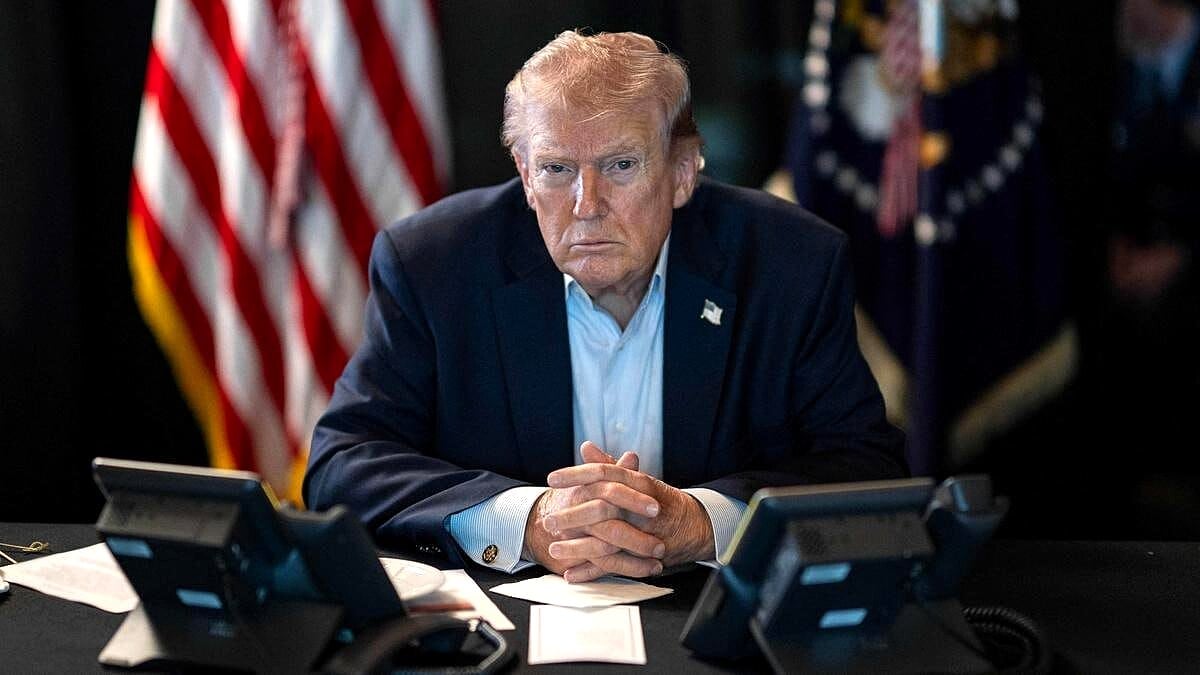
President Donald Trump deferred direct comment on the potential charges to the Justice Department. He described Cuba as a declining country in need of help while aboard Air Force One. Trump has repeatedly criticized the island nation’s leadership amid ongoing economic hardships, blackouts, and shortages.
Legal experts note that any indictment would be largely symbolic since Raul Castro remains in Cuba and extradition is highly unlikely. Nevertheless, it would carry significant political weight and could tighten sanctions or travel restrictions.
The four victims were US citizens or residents of Cuban origin. Their families and the Brothers to the Rescue founder have expressed hope for accountability after years of waiting.
An event honoring the victims is reportedly planned for May 20 at Miami’s Freedom Tower, coinciding with Cuba’s independence day. The timing adds powerful symbolism to the expected legal announcement.
Cuban authorities have not issued a detailed official response to the latest reports. The country’s foreign minister has reiterated that Cuba will remain committed to its socialist path despite US pressures, sanctions, and threats.
The 1996 incident strained US-Cuba relations at the time and contributed to tightened American policies. It remains one of the most contentious episodes in the long history of bilateral friction.
Raul Castro, who succeeded his brother Fidel as Cuba’s leader, stepped down from top party roles in 2021 but retains influence. At 94, his health and role have been subjects of speculation for years.
Prosecutors in the Southern District of Florida have been building the case with support from Cuban-American lawmakers. Some career officials reportedly raised questions about evidentiary thresholds, but momentum has clearly built.
If charges are filed, they would mark a rare direct legal targeting of a former head of state by the US justice system. Similar past efforts against Cuban leaders have faced practical limitations due to lack of custody.
The case has reignited debates over accountability for actions taken during Cuba’s revolutionary era. Exile groups view it as long-delayed justice while Havana sees it as political persecution.
As developments unfold, observers are watching closely for reactions from Latin American governments and the international community. The move fits into a pattern of increased US pr