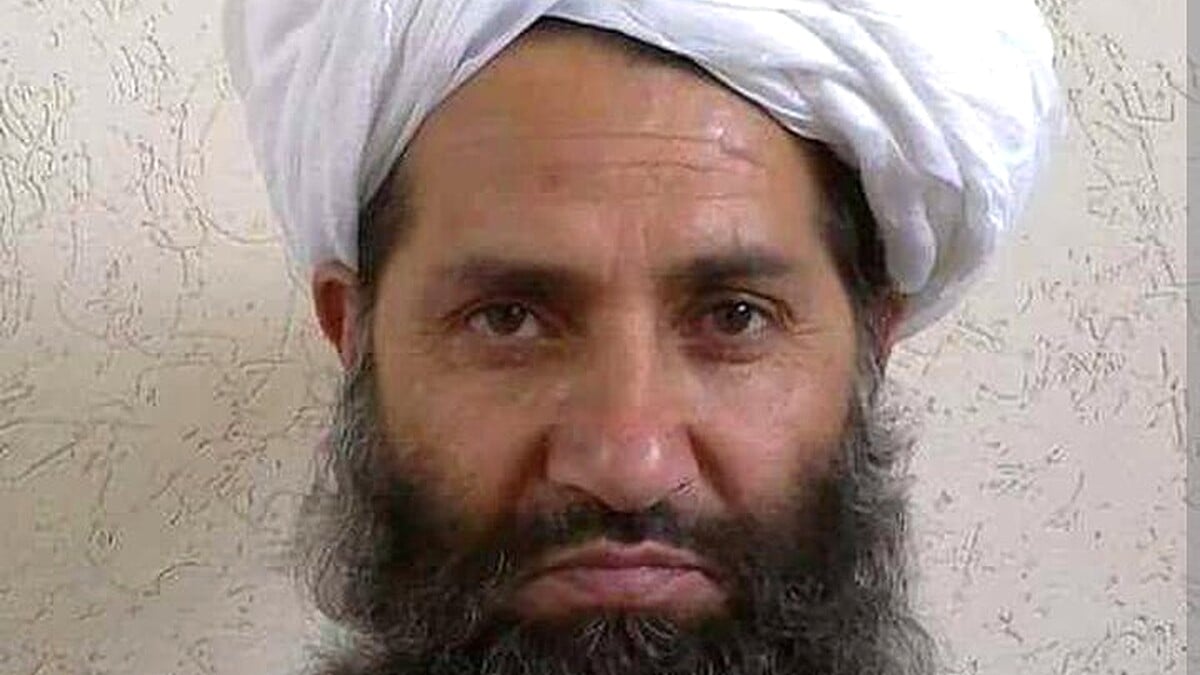
ISLAMABAD: Senior defence analysts in Afghanistan have expressed surprise over Taliban supreme leader Haibatullah Akhundzada’s continued silence on recent Pakistani airstrikes inside Afghanistan, describing it as regrettable and astonishing given the gravity of cross-border hostilities.
Yousafzai, known for his in-depth analysis of Afghan affairs, highlighted this in a recent interview, noting that Akhundzada has issued no direct statement or message addressing the repeated military actions by Pakistan since early 2025.
Pakistan launched significant airstrikes in February 2026 targeting Taliban positions in Kabul, Kandahar and several eastern provinces, marking one of the most intense escalations in recent years.
These operations followed months of border clashes and Pakistani accusations that the Taliban regime provides sanctuary to Tehrik-i-Taliban Pakistan militants responsible for attacks inside Pakistan.
The strikes resulted in reported casualties on both sides, with Pakistan claiming hundreds of militant deaths while Afghan officials alleged civilian losses including in non-military sites.
Despite the scale of these developments, Akhundzada has remained conspicuously quiet on the issue in his public communications.
Yousafzai pointed out that while Pakistan’s Foreign Ministry issued statements on the Iran conflict expressing sympathy for Iran without damaging ties with Arab states, Akhundzada’s approach appears markedly different.
He observed that Akhundzada often issues edicts and fatwas on minor domestic matters but treats major national security concerns involving Pakistan as insignificant.
This selective engagement, according to Yousafzai, suggests Akhundzada views Pakistan-related disputes as minor compared to internal priorities.
Yousafzai suggested that the Taliban leader might intend to signal to Pakistan that the issues Islamabad raises daily through press conferences and media do not warrant alarm or major response from Kabul.
Such a posture could aim to downplay the perceived threat and assert that the Taliban regime faces no compulsion to react publicly.
BBC journalist Daud Azami offered additional context, explaining that Pakistani airstrikes on Afghan territory are not novel.
The first such strike occurred in April 2022, followed by two to three or more annually in subsequent years.
Azami noted that by 2026, these actions have become routine, potentially reducing their urgency in Taliban leadership perceptions.
He added that the Taliban’s central spokesman has addressed the matter in interviews, and the Foreign Ministry released official statements.
This delegation of response might lead Akhundzada to consider existing official positions sufficient without personal intervention.
Azami emphasized that for Afghanistan as a state, these attacks carry significant importance, raising public expectations for direct commentary from the supreme leader.
The absence of such mention has fueled speculation about internal Taliban dynamics and strategic calculations.
Relations between Pakistan and the Taliban regime have deteriorated sharply since the latter’s return to power in 2021.
Pakistan initially anticipated cooperation on border security and militant groups but accused the Taliban of failing to curb TTP activities.
The TTP, which pledged allegiance to Akhundzada, continues cross-border operations, exacerbating Islamabad’s security concerns.
Recent escalations included retaliatory actions, with Afghanistan launching drone and rocket strikes on Pakistani positions.
Diplomatic efforts, including visits by Pakistani clerics to Kabul, aim to de-escalate but face challenges amid mutual distrust.
Akhundzada’s leadership style, centered in Kandahar, emphasizes strict religious governance and obedience to his directives.
His rare public appearances and focus on domestic edicts contrast with the regime’s handling of external threats.
Analysts argue this approach prioritizes consolidating internal control over engaging in public confrontations that could expose vulnerabilities.
The silence also occurs against a backdrop of regional volatility, including tensions involving Iran.
While Taliban spokesmen expressed positions on broader conflicts, Akhundzada himself has avoided entanglement.
Yousafzai’s remarks underscore a broader pattern where the Taliban leader appears detached from issues dominating Pakistani discourse.
This detachment might reflect confidence in the regime’s resilience or a deliberate strategy to avoid escalation.
However, it risks alienating segments within Afghanistan expecting stronger leadership on sovereignty matters.
Ongoing clashes highlight the fragile state of Pakistan-Afghanistan ties post-2021.
Without high-level dialogue, the cycle of strikes and retaliation could persist, threatening regional stability.
Observers call for renewed mediation to address root causes, including militant safe havens and border management.
Akhundzada’s persistent silence amid these events continues to puzzle analysts and fuel debate on Taliban priorities in a complex geopolitical landscape.