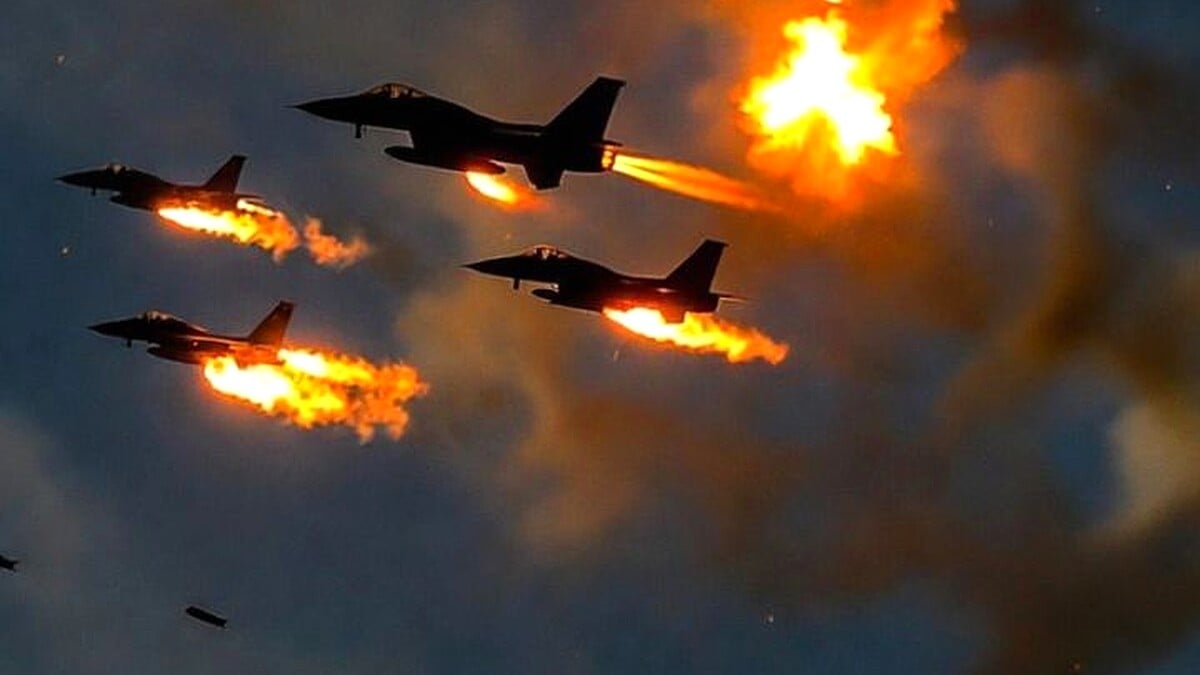
ISLAMABAD: Reliable sources have revealed that Pakistan launched a precise military strike on a clandestine meeting in Afghanistan’s Kunar province, targeting high-value operatives from multiple militant groups and foreign intelligence entities. The operation reportedly injured Tehreek-i-Taliban Pakistan (TTP) chief Noor Wali Mehsud and resulted in the confirmed death of Indian Research and Analysis Wing (RAW) officer Shankar Sinha, amid escalating cross-border tensions.
The strike interrupted an ongoing covert gathering at a hidden location in Kunar, where representatives from TTP, Balochistan Liberation Army (BLA), Tehrik-i-Taliban Afghanistan (TTA) affiliates, RAW operatives, and agents from a Middle Eastern country were reportedly coordinating strategies.
Intelligence inputs indicate the meeting focused on synchronizing anti-Pakistan activities, including potential attacks on security installations and economic projects in border regions.
Noor Wali Mehsud, who has led TTP since 2018 following the death of previous emir Mullah Fazlullah, sustained injuries but his current condition remains unconfirmed through independent channels.
Shankar Sinha, identified as a senior RAW field officer involved in regional covert operations, was killed in the strike, with sources confirming his presence at the site based on intercepted communications and post-strike assessments.
This development occurs against the backdrop of heightened Pakistan-Afghanistan border friction, where Pakistan has repeatedly accused Afghan soil of harboring TTP militants responsible for attacks inside Pakistan.
Official Pakistani statements have emphasized that such operations aim to neutralize threats originating from across the Durand Line, particularly after a surge in militant incidents in Khyber Pakhtunkhwa and Balochistan.
TTP, designated a terrorist organization by Pakistan and several international bodies, has intensified operations in recent years, claiming responsibility for numerous assaults on Pakistani forces and civilians.
BLA, active in Balochistan insurgency, has been linked in Pakistani narratives to external support aimed at destabilizing the China-Pakistan Economic Corridor (CPEC) and other strategic interests.
The alleged involvement of RAW aligns with longstanding Pakistani claims of Indian sponsorship for separatist and militant groups to undermine regional stability.
The inclusion of agents from a Middle Eastern nation adds complexity, pointing to broader geopolitical alignments in supporting anti-Pakistan elements.
Pakistan’s military has conducted similar cross-border actions in the past, including airstrikes in Afghan provinces like Kunar and Paktika, often in response to specific intelligence on militant concentrations.
These operations reflect Pakistan’s doctrine of pre-emptive action against terrorist safe havens, especially as diplomatic efforts with the Afghan interim administration have yielded limited results on curbing TTP activities.
Analysts note that Kunar province, with its rugged terrain and proximity to Pakistan’s Bajaur and Mohmand districts, has long served as a transit and operational hub for TTP fighters.
The precision of the strike suggests advanced intelligence gathering, possibly involving drone surveillance and human sources embedded in militant networks.
Casualties beyond the named individuals remain unclear, with reports indicating several other participants may have been affected.
The Afghan side has yet to issue a detailed response to this specific incident, though past similar strikes have drawn condemnation from Kabul over sovereignty violations.
This event risks further straining already tense Pakistan-Afghanistan relations, amid ongoing skirmishes along the border reported in early 2026.
Security experts warn that such targeted eliminations could provoke retaliatory attacks by TTP and allied groups inside Pakistan.
The death of a foreign intelligence officer, if fully substantiated, may trigger diplomatic repercussions, particularly between Pakistan and India, where mutual accusations of interference persist.
Pakistan maintains that its actions are defensive, aimed at protecting national security against externally backed terrorism.
The operation underscores the persistent challenge of transnational militancy in the region, where porous borders facilitate movement of fighters and resources.
Observers point to the need for multilateral engagement to address root causes, including unresolved border disputes and economic grievances fueling insurgencies.
As details emerge, the strike highlights the volatile security environment along the Afghanistan-Pakistan frontier.