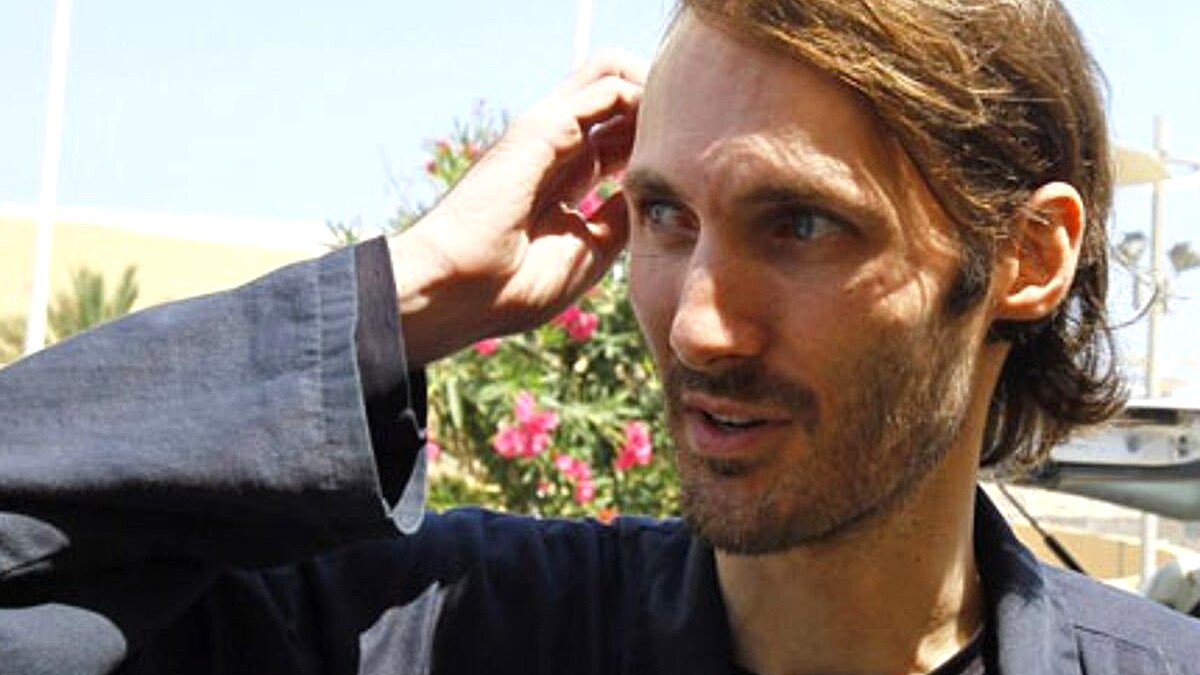
ISLAMABAD: India’s National Investigation Agency has arrested a United States national, Matthew VanDyke, along with six Ukrainian citizens in a significant counter-terrorism sweep connected to alleged training of ethnic armed groups in Myanmar.
The arrests, carried out on March 13, targeted individuals accused of using Indian territory as a transit and staging point for illegal activities across the border. VanDyke was detained at Kolkata airport by the Bureau of Immigration, while the Ukrainians—identified as Petro Hurba, Taras Slyviak, Ivan Sukmanovskyi, Marian Stefankiv, Maksim Honcharuk, and Viktor Kaminskyi—were apprehended at airports in Delhi and Lucknow.
According to the NIA, the group entered India on valid visas but proceeded to restricted areas in Mizoram without required permits. From there, they allegedly crossed illegally into Myanmar to engage with ethnic armed organisations, some linked to insurgent elements affecting India’s northeastern states.
The agency alleges the suspects provided specialised training in drone warfare, including operations, assembly, jamming technology, and related weapons handling. Large consignments of drones were reportedly imported from Europe through India to support these efforts, aimed at targeting Myanmar’s military junta.
A special NIA court in Delhi remanded all seven to 11 days of custody with the agency until late March, under charges including violations of the Unlawful Activities (Prevention) Act, illegal entry into protected zones, and conspiracy related to terrorist activities.
Matthew VanDyke, aged around 46, is a documentary filmmaker, security analyst, and founder of Sons of Liberty International, an organisation focused on training militias in conflict zones against perceived authoritarian threats. He gained prominence during the 2011 Libyan civil war, where he joined anti-Gaddafi forces, was captured and held for months in a Tripoli prison, and later escaped following the regime’s collapse.
His background includes involvement in other conflict areas, such as Syria and Ukraine, where he has supported anti-Russian efforts since 2022. Some reports describe him as a self-styled freedom fighter or mercenary, with past affiliations speculated in media as ranging from advisory roles to direct combat participation.
The NIA investigation points to a broader network, with the group allegedly planning pre-scheduled training sessions for Myanmar-based ethnic armed groups. These activities are seen as potentially destabilising India’s sensitive northeast border regions, where cross-border insurgencies have long posed security challenges.
Indian authorities view the case as a breach of sovereignty, highlighting how foreign nationals exploited visa routes and restricted border zones. The operation underscores heightened vigilance along the India-Myanmar frontier amid ongoing instability in Myanmar following the 2021 military coup.
The United States embassy in New Delhi stated it is aware of the situation involving its citizen but declined further comment due to privacy considerations in consular matters. Ukrainian authorities have not issued a detailed public response as yet.
This development occurs against the backdrop of regional tensions, including Myanmar’s internal armed conflicts involving various ethnic groups opposing the junta. Reports indicate some of these groups have received external support, though specifics remain contested.
The arrests have drawn attention to the role of private security actors and foreign fighters in modern conflicts. VanDyke’s prior work through his organisation has included advisory and training support in vulnerable areas, often framed as defensive against terrorism or oppression.
Indian security experts note that drone technology has increasingly featured in asymmetric warfare, making such training particularly concerning for border stability. The imported equipment allegedly involved advanced capabilities that could extend insurgent reach.
The case may prompt renewed scrutiny of visa enforcement in restricted northeastern areas and coordination between immigration and intelligence agencies. It also raises questions about international networks facilitating such movements.
As the investigation continues, authorities are examining potential larger conspiracies, including links to banned groups in India or broader geopolitical motivations. The outcome could influence diplomatic exchanges between India, the United States, and Ukraine.
National security observers see this as a proactive measure by the NIA to disrupt emerging threats before they materialise into direct attacks. The swift custody remand reflects the seriousness with which the charges are viewed under anti-terror laws.
The incident highlights the complexities of transnational security in South Asia, where porous borders and ongoing regional unrest create opportunities for external interference. Further details are expected as interrogations progress.
Matthew VanDyke’s arrest marks a notable chapter in his documented history of involvement in global hotspots, now intersecting with India’s counter-terrorism framework.