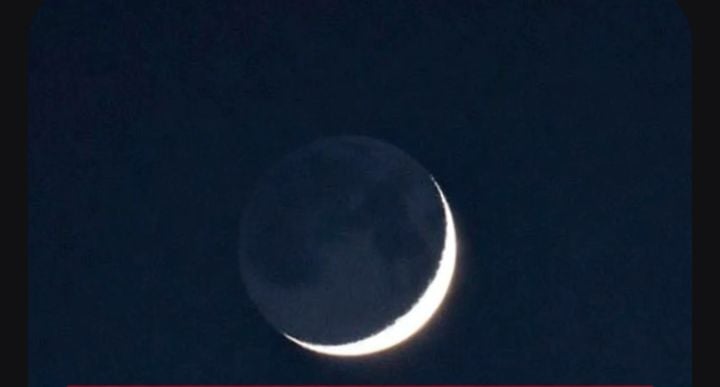
ISLAMABAD: The crescent moon marking the commencement of Ramadan 1447 AH was officially sighted in Saudi Arabia on Tuesday evening, paving the way for the holy month of fasting to begin on Wednesday, February 18, 2026.
This announcement, issued by Saudi authorities including the Supreme Court, follows traditional moon-sighting procedures conducted after sunset. Multiple reliable reports from regional news agencies and official statements confirm the visibility of the hilal, or crescent moon, in various parts of the Kingdom.
The sighting aligns with astronomical expectations for the lunar calendar transition from Sha’ban to Ramadan. In the Islamic lunar system, months begin upon confirmed naked-eye observation of the new crescent, a practice rooted in Prophetic tradition and upheld by Muslim-majority nations.
Countries across the Middle East, including the United Arab Emirates, Qatar, and Oman, have aligned their calendars with Saudi Arabia’s declaration. This coordination reflects the influential role of Saudi moon-sighting decisions in unifying observance among millions of Muslims globally.
In contrast, several Asian nations such as Indonesia, Malaysia, and Turkey reported no sighting on Tuesday, leading to the completion of 30 days in Sha’ban and a start of Ramadan on Thursday, February 19. Such variations underscore the geographical and methodological differences in hilal observation worldwide.
Pakistan’s Central Ruet-e-Hilal Committee convened on Wednesday in Peshawar to conduct its own sighting sessions. Zonal and district committees participated nationwide, with announcements expected shortly thereafter. Historically, Pakistan often follows an independent process, occasionally resulting in a one-day difference from Gulf countries due to visibility conditions and local testimonies.
The onset of Ramadan 1447 AH carries particular significance this year, as fasting hours are projected to span approximately 13 hours initially, extending slightly toward the month’s conclusion amid seasonal daylight patterns. Muslims will observe dawn-to-sunset abstinence from food, drink, and other specified acts, coupled with increased prayers, charity, and Quranic recitation.
The holy month culminates in Eid al-Fitr, anticipated around March 19 or 20, depending on the Shawwal crescent sighting. Preparations in mosques and communities are intensifying, with Taraweeh prayers commencing on the evening of the announcement in regions beginning fasting on February 18.
This annual celestial event reinforces spiritual unity and discipline among the global Muslim ummah, blending ancient religious observance with contemporary astronomical verification. Authorities in various countries continue to emphasize reliable sightings to ensure accurate adherence to Islamic dates.