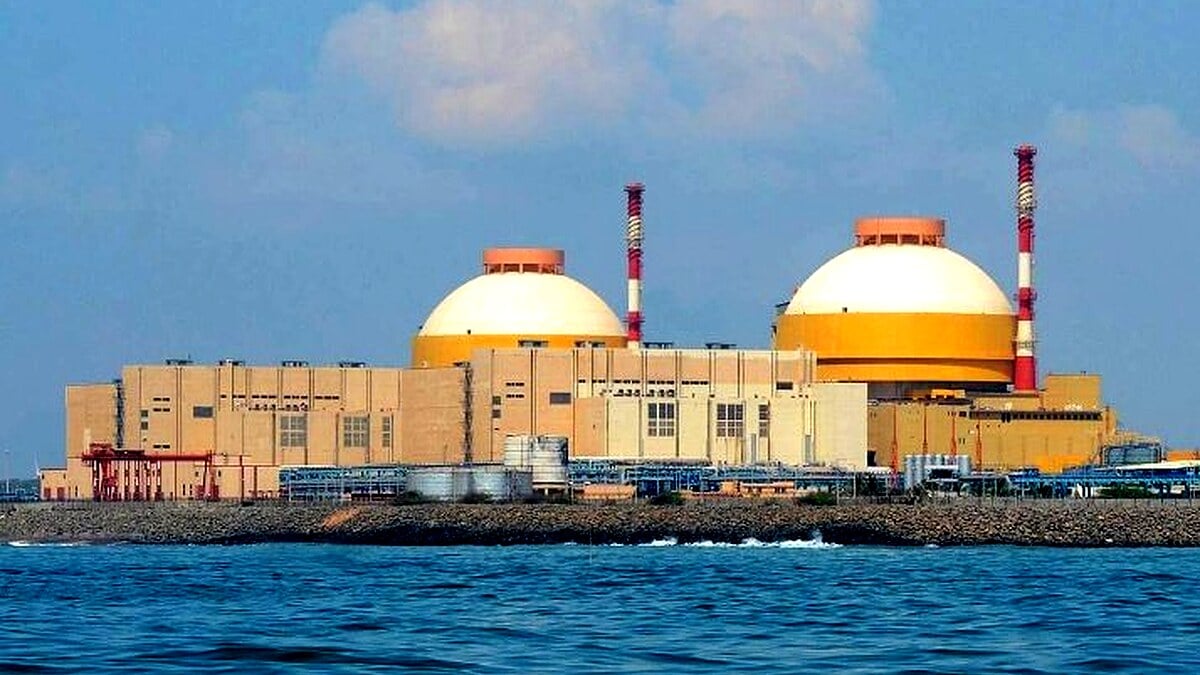




ISLAMABAD: A major cybersecurity breach has emerged, compromising India’s Kudankulam Nuclear Power Plant.
Leaked documents include vital blueprints and technical files, now circulating on the dark web.
These documents were stolen from servers associated with Anil Ambani’s Reliance Group, raising serious security concerns.
Impact on Nuclear Security
The breach has ignited debate over nuclear facility security worldwide.
Thousands of files being leaked could jeopardize not only national security but also international nuclear protocols.
Industry experts suggest this points to inadequacies in current cybersecurity measures.
Reliance Group’s Involvement
Anil Ambani’s Reliance Group’s involvement introduces significant implications.
Reliance’s server vulnerabilities underline the importance of airtight cyber defenses for corporations.
This episode might tarnish Reliance’s reputation and provoke demands for accountability.
Government and Public Reaction
Indian authorities are yet to issue a comprehensive response to the breach.
Public concern is mounting over the potential misuse of leaked information.
Experts warn this could set a precedent for future cyber threats targeting critical infrastructures.
Investigating the Breach
Investigations are ongoing to identify those responsible for this sophisticated cyber attack.
Analysts suggest that international or state-sponsored attackers may be involved.
The complexity of the breach highlights the need for robust cyber intelligence and legal cooperation.
Future Security Measures
This incident is likely to prompt India to enhance its cyber defense strategies.
Experts advocate for immediate upgrades to cybersecurity infrastructures at sensitive sites.
A global dialogue on safeguarding critical systems against cyber threats is crucial.
This is a developing story, and ongoing updates are expected as more information becomes available.