ISLAMABAD: Amid the escalating conflict that has entered its third week, reports indicate heightened US military movements suggesting preparations for expanded operations, including possible ground elements, against Iran. The deployment of the 31st Marine Expeditionary Unit from Japan to the Middle East has fueled discussions about a shift from aerial strikes to more direct involvement on land.
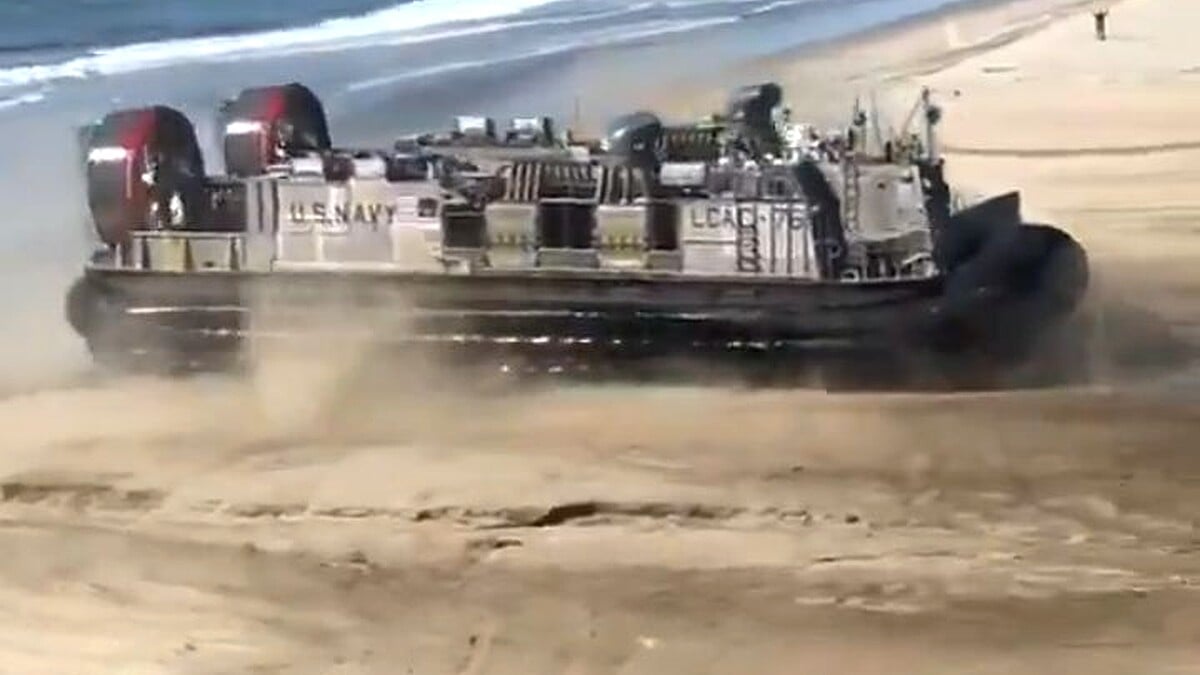
The Pentagon ordered the 31st Marine Expeditionary Unit, typically comprising around 2,200 to 2,500 Marines along with supporting sailors, to redeploy from its base in Okinawa. This unit, embarked on amphibious ships including the USS Tripoli, an America-class assault ship, and accompanying vessels like the USS New Orleans, provides versatile capabilities for amphibious assaults, rapid raids, and support operations. Officials confirmed the move follows a request from US Central Command, approved by Defense Secretary Pete Hegseth, to bolster forces amid Iran’s continued disruptions in the Strait of Hormuz.
This reinforcement arrives as joint US and Israeli airstrikes have targeted Iranian military infrastructure, missile sites, and leadership since late February. The conflict intensified after initial strikes killed key figures, including the former Supreme Leader, prompting Iranian retaliatory missile and drone barrages across the region. Oil prices have surged due to threats to global shipping lanes, with Tehran effectively restricting passage for vessels linked to adversaries.
Recent observations of US armored convoys, including tanks painted in desert beige camouflage typical for Middle Eastern operations, have added to speculation. Such paint schemes align with historical deployments in arid environments, enhancing concealment against potential threats. While not explicitly tied to an imminent invasion, the transport of heavy armor signals readiness for scenarios requiring sustained ground presence or rapid insertion.
Analysts note that Marine Expeditionary Units excel in expeditionary warfare, offering infantry, aviation assets like F-35B jets and MV-22 Ospreys, and logistical support. Their positioning near the Persian Gulf could enable operations to secure key waterways, conduct raids on coastal targets, or support allied efforts. However, US officials have emphasized that current priorities remain degrading Iran’s ballistic missile and drone capabilities through air and naval strikes.
The deployment does not confirm plans for a full-scale ground invasion, which would represent a significant escalation beyond the ongoing air campaign. Past US administrations war-gamed such scenarios but avoided direct land incursions due to Iran’s terrain, population, and asymmetric warfare doctrine emphasizing decentralized resistance. Iran has prepared for prolonged conflict, relying on proxy forces and internal resilience to absorb shocks.
Regional dynamics complicate matters further. Israel’s focus includes dismantling Hezbollah infrastructure in southern Lebanon through potential expanded ground maneuvers, with additional forces deployed to the northern border. US support for these operations highlights coordinated strategy against Iran’s allies, though Washington has urged restraint on certain civilian infrastructure.
Casualties continue to mount, with reports of civilian deaths in Iran from strikes and Iranian attacks on Gulf energy sites. The war has displaced millions internally in Iran and strained global energy markets. Diplomatic channels remain stalled, with Tehran rejecting talks while US allies in the Gulf report ongoing intercepting of projectiles.
Military experts assess that additional forces like the 31st MEU provide flexibility without committing to boots-on-the-ground occupation. Amphibious capabilities allow for targeted interventions, such as securing islands or countering mining in the Strait of Hormuz, a chokepoint for one-fifth of world oil supply.
As the conflict persists, the arrival of these assets underscores Washington’s commitment to prevailing in the air while preserving options for escalation. Observers monitor whether this buildup signals a broader phase or remains a deterrent amid Iran’s defiance. The coming days may clarify intentions as strikes continue and regional tensions show no immediate signs of abating.