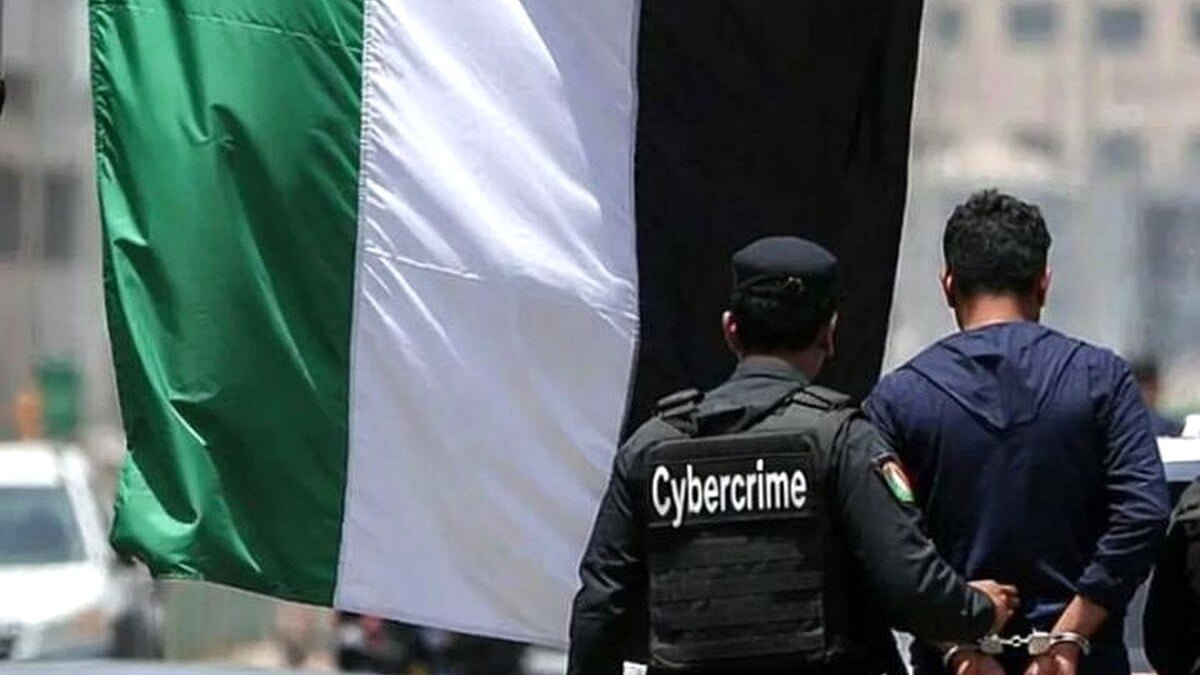
ISLAMABAD: The United Arab Emirates has intensified its crackdown on the dissemination of false information online, ordering the arrest of 19 Indian nationals, for posting misleading and fabricated content related to the ongoing Middle East conflict.
This development comes amid heightened regional instability following US-Israeli airstrikes on Iran and subsequent retaliatory actions, which have triggered widespread sharing of unverified videos and manipulated footage on social media platforms.
Authorities in the UAE acted swiftly in two phases to address what they described as threats to national security and public order. On Saturday, the Public Prosecution announced the arrest of 10 individuals for publishing video clips containing misleading or fabricated details about air defence operations and security threats.
The suspects were accused of sharing content that depicted real interceptions alongside fake elements, potentially inciting panic and harming national defence measures.
The following day, the Attorney-General Dr Hamad Saif Al Shamsi ordered the arrest of an additional 25 individuals, bringing the total to 35. This second batch included 17 Indians.
Official statements emphasized that the content in question involved manipulated videos, including AI-generated clips of missile strikes, explosions, and defence system activities. Such material was deemed to glorify military aggression against the state while undermining stability and revealing sensitive information.
Under UAE cybercrime laws, offences of this nature carry severe penalties, including at least one year in prison and fines starting from AED 100,000. The authorities highlighted rigorous monitoring of digital platforms to combat fabricated information intended to incite disorder.
The focus on Indian nationals in these arrests reflects the significant expatriate Indian community in the UAE, which numbers in the millions and plays a key role in various sectors. Many of the detained individuals are believed to be expats, workers, or students who shared or reshared content amid the conflict.
This incident occurs against a backdrop of broader concerns over misinformation in the Gulf region during the current crisis. Advocacy groups have noted that even tourists and influencers have faced charges for filming or commenting on visible impacts of the war, such as missile interceptions over urban areas.
In a related context, recent claims circulated on social media alleging the arrest of an Indian telecommunications engineer named Nitin Mohan in Bahrain for espionage activities linked to Israel’s Mossad. These reports, which included purported images of a handcuffed individual, were swiftly debunked by India’s Ministry of External Affairs fact-check unit and Bahraini authorities as entirely false and likely based on AI-generated or manipulated visuals.
Earlier cases, such as the 2023 detention of eight former Indian naval officers in Qatar over alleged spying for Israel on a submarine programme, were resolved with their release in 2024 after diplomatic interventions, but those were unrelated to the present situation.
The UAE’s actions underscore its zero-tolerance policy towards content that could compromise security or public calm, especially during active hostilities involving Iran and its proxies. Officials have warned that publishing information harming state security remains a punishable offence with strict enforcement.
This crackdown serves as a reminder to residents and users in the Gulf to verify sources before sharing war-related material. The arrests highlight the challenges of distinguishing genuine footage from fabricated narratives in an era of advanced digital manipulation tools.
As the Middle East conflict continues without clear resolution, Gulf states like the UAE are prioritizing information integrity to maintain internal stability and deter panic-inducing disinformation campaigns. The involvement of a substantial number of Indian nationals in the UAE case may prompt discussions between New Delhi and Abu Dhabi on consular support and awareness among expatriates.
The episode also reflects wider regional sensitivities to narratives that could be exploited amid geopolitical tensions, ensuring that digital spaces do not become conduits for unrest or security breaches.