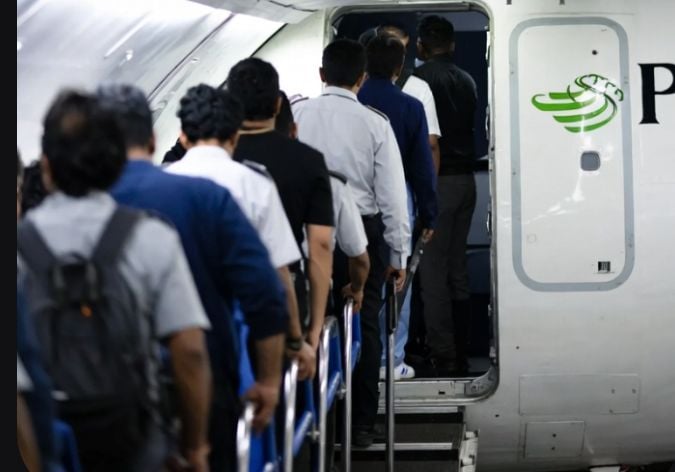
Afghanistan’s Foreign Minister, Mawlawi Amir Khan Muttaqi, recently made asignificant statement regarding the use of Afghan soil in relation toPakistan. According to a report by ARY News, he assured that Afghanistanwould refrain from allowing its territory to be used against Pakistan. Thisassurance came during a meeting between the Afghan Foreign Minister and theChargé d’Affaires (CdA).
In addition to this commitment, the Afghan Foreign Minister called uponPakistani authorities to reopen the Torkham border on humanitarian grounds.The Torkham border, a crucial crossing point between Pakistan andAfghanistan, had been closed for seven consecutive days at the time.
This prolonged closure had resulted in the stranding of trade convoys andtravelers on both sides of the border.
The standoff at the Torkham border stemmed from an exchange of fire in adispute, leading to its closure. Talks between Pakistani and Afghanauthorities had been held to resolve the issue, but as of the latestupdate, they had not reached a conclusive agreement.
One of the key triggers for this dispute was the construction of a newsecurity post near the Torkham border by Taliban guards, a move thatPakistan viewed as a violation of mutual agreements.
Read Top Stories
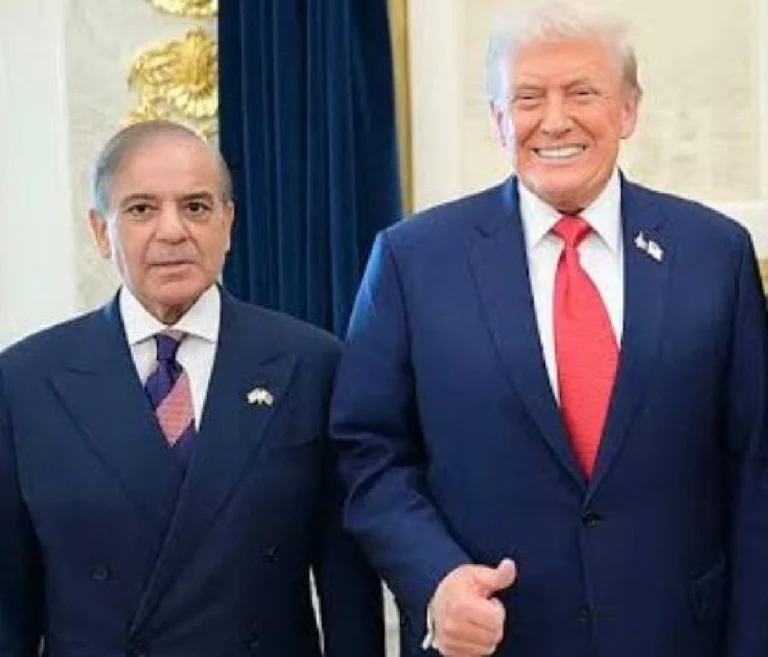
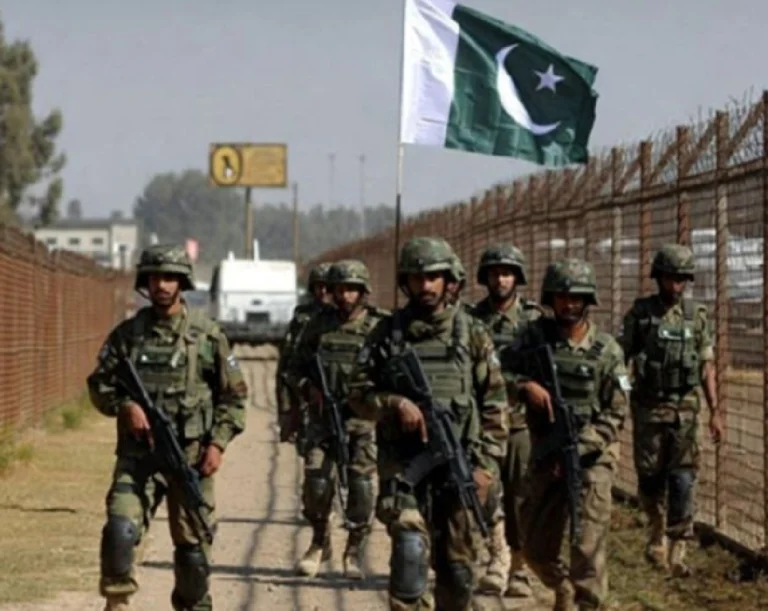
In summary, the commitment by Afghanistan’s Foreign Minister not to useAfghan soil against Pakistan is a notable development in the context ofregional relations. The closure of the Torkham border, with its economicand logistical implications, underscores the challenges faced by bothcountries in maintaining stability along their shared border.
The ongoing discussions and disputes in the region highlight the complexnature of their relationship and the need for diplomatic efforts to addressthese issues effectively.