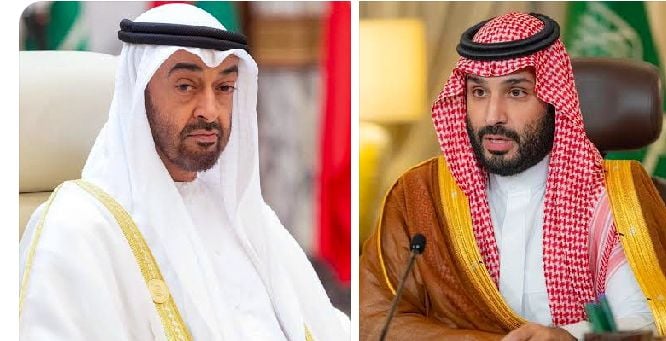
ISLAMABAD: In a startling escalation of Gulf rivalries, reports have emerged indicating that the United Arab Emirates has allegedly channeled millions of dollars to pro-Israel lobbying groups to orchestrate global antisemitism campaigns targeting both Iran and Saudi Arabia. This move, aimed at undermining regional competitors, has sparked a severe diplomatic backlash from Riyadh, which has issued a stark warning to Abu Dhabi: terminate all relations with Israel or face the end of UAE-Saudi diplomatic ties. The revelations, stemming from multiple sources including US officials, highlight a deepening rift that threatens Middle Eastern stability and could reshape alliances in the region.
According to a detailed report by Middle East Eye, the UAE has actively lobbied prominent pro-Israel organizations in the United States, such as the American Jewish Committee, to level accusations of antisemitism against Saudi Arabia. Sources close to the matter revealed that Abu Dhabi exerted pressure on these groups to condemn Riyadh’s rhetoric, framing it as antisemitic amid ongoing disputes over regional influence. This strategy appears tied to the UAE’s efforts to leverage its post-Abraham Accords relationships with Israel, which normalized ties in 2020, to gain an upper hand in power struggles. The AJC, with a satellite office in Abu Dhabi, was reportedly urged to issue statements highlighting alleged antisemitic elements in Saudi media and sermons.
The financial aspect of these campaigns is underscored by investigations from outlets like Islam Times and Alestiklal, which suggest the UAE has disbursed substantial funds—estimated in the millions—to support these initiatives. These payments are part of a broader pattern where Abu Dhabi has invested heavily in US lobbying, with data from the Foreign Agents Registration Act showing UAE-linked entities spending over $20 million annually on influence operations in Washington. Such funding has enabled the amplification of narratives portraying Saudi Arabia as harboring antisemitic sentiments, particularly through social media and think tank reports, aiming to isolate Riyadh internationally and bolster the UAE’s image as a moderate ally.
Iran has also been a primary target in these alleged campaigns, with pro-Israel groups echoing UAE concerns about Tehran’s support for militant organizations like Hamas and Hezbollah. Reports from Jewish Insider and the Times of Israel indicate a surge in antisemitism allegations linked to Iranian-backed rhetoric, often amplified by UAE-funded channels. For instance, in 2025, UAE-backed initiatives contributed to over 15 major reports by groups like the Anti-Defamation League, which documented a 30 percent increase in anti-Israel statements from Iranian officials. This data-driven approach has helped the UAE position itself as a counterweight to Iran’s regional ambitions, while simultaneously pressuring Saudi Arabia, which has warmed ties with Tehran since restoring diplomatic relations in 2023.
The Saudi response has been swift and uncompromising, with state media and officials decrying the UAE as Israel’s “Trojan horse” in the Arab world. According to the Washington Examiner, Riyadh’s cabinet, chaired by King Salman, has declared any threat to its national security—including perceived UAE encroachments via Israel—a “red line.” This warning extends to Yemen, where UAE actions have clashed with Saudi interests, leading to airstrikes on UAE-linked assets in late 2025. Diplomatic sources estimate that bilateral trade between the two nations, valued at $25 billion annually, could plummet by 40 percent if ties are severed, exacerbating economic strains in a region already grappling with oil market volatility.
Further data from the Institute for National Security Studies reveals that the UAE-Saudi rift has evolved from quiet competition to open rivalry since 2023, fueled by differing visions for Yemen and Sudan. In Yemen, UAE support for secessionist groups like the Southern Transitional Council has directly conflicted with Saudi efforts to unify the country under a pro-Riyadh government. Reports indicate over 50 clashes between proxy forces in 2025 alone, resulting in hundreds of casualties. This instability has prompted Saudi clerics to ramp up antisemitic sermons, with monitoring by the ADL noting a 25 percent rise in such rhetoric, often linking the UAE’s Israel ties to broader “Zionist plots.”
The involvement of pro-Israel groups has drawn criticism for instrumentalizing antisemitism allegations. As noted in a Jewish Insider analysis, organizations like the AJC and ADL have issued statements expressing alarm over Saudi media’s use of “antisemitic dog whistles,” with at least 10 prominent pieces published in 2026. However, critics argue this overlooks the UAE’s role in escalating tensions. US officials, speaking anonymously to Middle East Monitor, confirmed Abu Dhabi’s outreach to these groups, estimating that UAE lobbying influenced at least five major condemnations of Saudi Arabia, potentially swaying US policy amid ongoing Iran nuclear talks.
Iran’s reaction to these campaigns has been equally pointed, with President Hassan Rouhani labeling UAE actions a “huge mistake” that endangers Gulf security. Data from Reuters shows Iran’s military aid to proxies like the Houthis in Yemen has increased by 15 percent since 2024, partly in response to UAE-Israel collaborations. This has heightened fears of a broader conflict, with the UAE’s Abraham Accords partnership enabling joint intelligence operations against Iranian threats. Saudi Arabia, meanwhile, has deepened ties with Iran, including a rare visit by its defense minister in 2025, signaling a realignment that counters UAE influence.
The potential diplomatic rupture between Saudi Arabia and the UAE carries significant global implications, as per a CNN analysis. With combined GDP exceeding $1.2 trillion, their feud could disrupt oil supplies, where they control 20 percent of global reserves. In the Horn of Africa, rivalries have already overshadowed African Union summits, with UAE ports in Somaliland clashing with Saudi-backed initiatives in Somalia. Experts predict that if Saudi enforces its ultimatum, it could lead to a 10 percent drop in regional investment flows, affecting projects like Saudi’s Neom and UAE’s diversification efforts.
As tensions mount, international observers call for mediation, with the US urged to intervene given its alliances with both nations. The Biden administration’s data shows over 200 diplomatic engagements in 2025 aimed at de-escalating Gulf rifts, yet progress remains limited. The UAE’s strategy of funding campaigns against rivals risks backfiring, potentially isolating it further if Saudi Arabia aligns more closely with Iran and other anti-normalization states. This evolving dynamic underscores the fragile balance of power in the Middle East, where accusations of antisemitism serve as tools in a high-stakes geopolitical chess game.