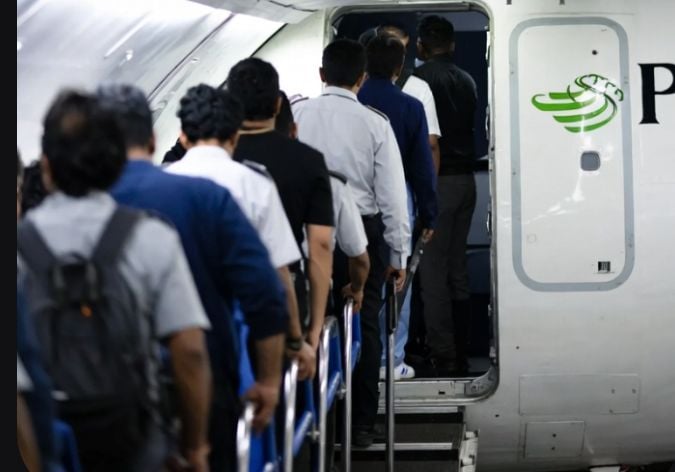
The Torkham border crossing, a crucial link for trade and human movementbetween Afghanistan and Pakistan, is slated to recommence regularoperations starting Friday. This comes after an eight-day suspension,during which the border was shuttered due to Pakistan’s allegations ofAfghanistan constructing a new structure within its territory.
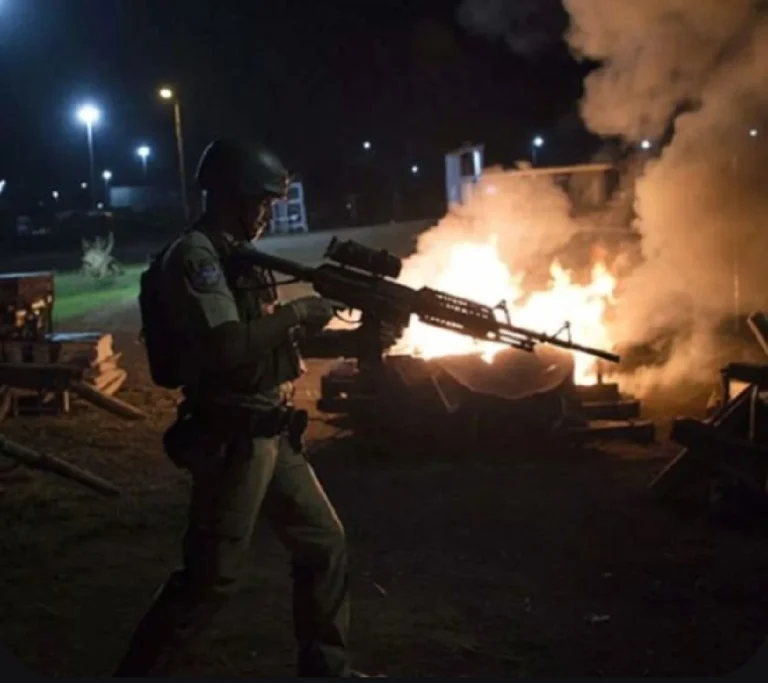
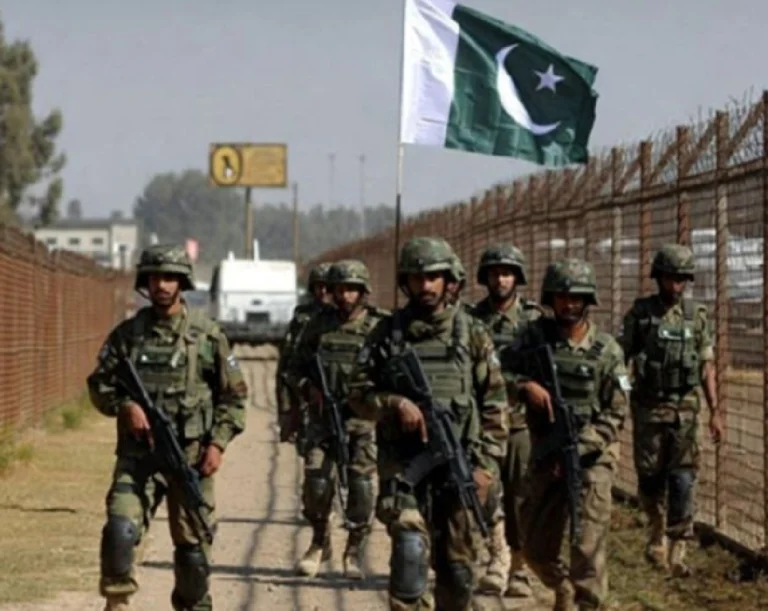
This dispute escalated into an exchange of fire between the security forcesof the two nations, resulting in the border closure and leaving hundreds oftrucks and travelers stranded along the Pakistan-Afghanistan border.
Afghanistan, being a landlocked nation, heavily relies on a transit tradeagreement with Pakistan to facilitate commerce with the rest of the world.Asmat Ullah Yaqub, overseeing Torkham border affairs, confirmed to TheExpress Tribune the reopening of the crossing. He stated, “At eight o’clocktomorrow, the gate will be open as usual for transit and passengers.” Thisannouncement signals a return to normalcy for the bustling border crossing.
Notably, Islamabad had set a condition for reopening the border, demandingthe withdrawal of Tehreek-e-Taliban Pakistan (TTP) militants from theChitral district. Reports emerging from on-ground sources suggest that theTTP has indeed pulled out from the border areas in response to theincursion of the Kabul regime.
This development signifies a positive step towards de-escalation and theresumption of vital trade and travel links between Afghanistan andPakistan, essential for the economic well-being of both nations and thebroader region.
Read Top Stories
In conclusion, the reopening of the Torkham border crossing brings reliefto the numerous trucks and travelers stranded during the eight-daysuspension, and it represents a crucial step toward normalizing trade andhuman movement between Afghanistan and Pakistan. The condition set byIslamabad for the withdrawal of TTP militants from the Chitral district hasbeen met, contributing to the de-escalation of tensions in the region.
This incident underscores the significance of maintaining diplomaticchannels and agreements to ensure the uninterrupted flow of goods andpeople across international borders, particularly in regions where suchcrossings are lifelines for economic activity