NEW DELHI – India’s move to carve up Kashmir and curtail its autonomouspowers has caused division and anger in parts of the far-flung Himalayanregion even as followers of Prime Minister Narendra Modi rejoice.
Since Mr Modi’s shock decree last week, protests and celebrations in manytowns have widened religious fault lines between communities in thestrategic region.
International focus has remained on the Kashmir valley, where tens ofthousands of troops have enforced a lockdown and cut off phone lines andInternet connections to head off opposition to the government move.
But tensions have spread to other parts of the state, which will be cut intwo under the new administrative arrangements.
In remote Ladakh, perched on a steep mountain border with China, theregion’s Buddhist minority welcomed Mr Modi’s decision to split theterritorylinkfromthe Muslim-majority valley.
“Ladakh has finally gained freedom,” exclaimed Mr Phunchok Stobdan, aformer Indian diplomat and now head of a conference centre in Leh, theregion’s largest town.
He added that Buddhists had felt excluded from government posts and otheropportunities.Get exclusive insights into Asia from our network of correspondents
Keep up with the latest in the region with the ST Asian Insider newsletter,delivered to your inbox every weekday Sign up link
Despite Ladakh’s sparse population and thin air, its border with China’sregions of Tibet to the east and Xinjiang to the north make itstrategically important to New Delhi.
Mr Stobdan said the region was underdeveloped and needed a shake-up.
“You can’t keep the area in a frozen state when the entire land mass acrosson the other side (in China) is getting roads and railways under the Beltand Road project,” he said.
“New Delhi had to do this to change the status quo. This is a masterstroke.”‘UNDEMOCRATIC MOVE’
At the other end of Ladakh, many in the Shi’ite Muslim majority town ofKargil are in shock.
Read Top Stories
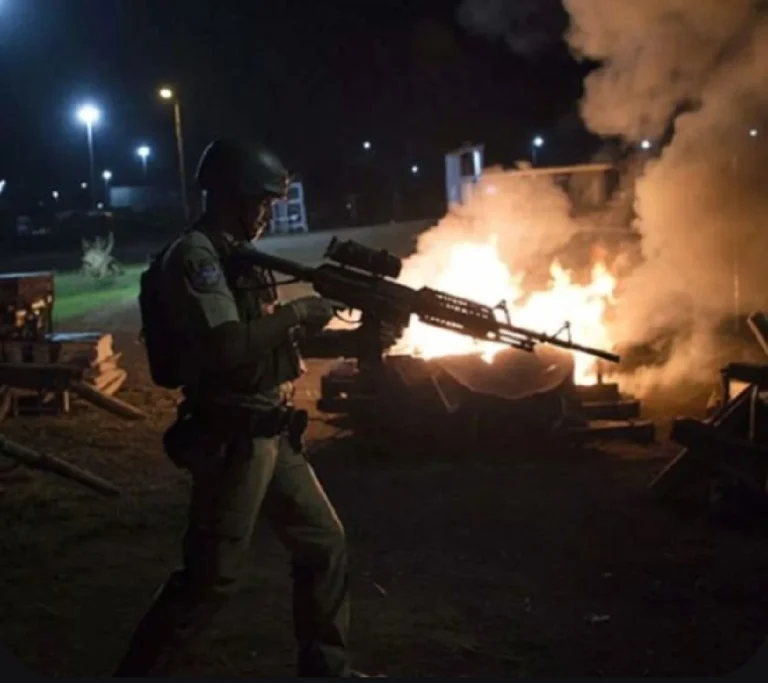
Traders kept their stores closed for several days after the governmentannouncement, amid showdowns between demonstrators and police.
“This was an undemocratic move. It should be rolled back,” Mr Asgar AliKarbalai, a former regional lawmaker who led some of the protests, told AFPby telephone.
As a so-called union territory, Ladakh will not have its own legislatureunder the new system.
“It just takes away our voice,” said Mr Karbalai. “The debate around thisissue may become communal now as, I feel, most Muslims in Ladakh oppose andthe Buddhists support the move.”
But even in Kargil, many are looking for a boost to the rudimentary economypromised by Mr Modi, who said tourism and even the film industry wouldbolster Ladakh and Kashmir if there was peace.
“It will certainly lead to many more economic opportunities, tourism andgrowth for everyone,” said Mr Gulzar Hussain Munshi, who runs a museumhosting artefacts from the ancient Silk Road that ran through the region.STREET PARTY
While Srinagar, Kashmir’s biggest city with a population of around 1.2million, remains under curfew, the city of Jammu farther south, with apopulation of over 500,000, is slowly returning to normal.
Jammu is more than 60 per cent Hindu and Sikh, and its citizens have longcomplained about Muslim-majority Kashmir’s dominance in politics andbusiness. Many local communities’ leaders were seen dancing in the streetsof Jammu city waving Indian flags after Mr Modi’s announcement.
“After 70 years of discrimination, thankfully we were finally heard,” MrGaurav Gupta, secretary of the Jammu Chamber of Commerce and Industry toldAFP.
“Jammu youth who moved to other Indian cities for education and jobs willbe able to return as we finally open up to pan-India investment andgrowth,” Mr Gupta added.
Media reports said government security restrictions had been lifted in manyareas around the city. Muslims have staged small protests however. -APP/AFP