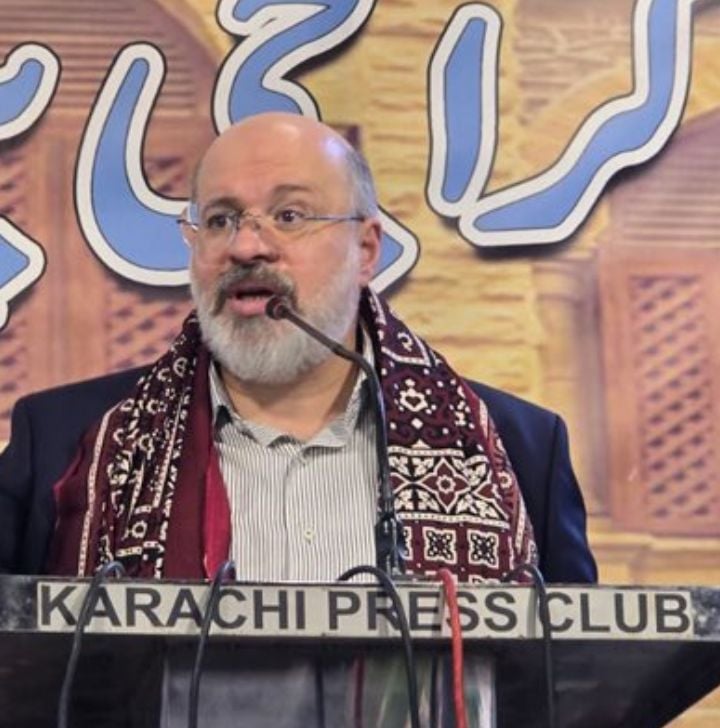
ISLAMABAD: Hamas spokesperson Dr. Khaled Qaddoumi has publicly expressed satisfaction with Pakistan’s longstanding role in supporting the Palestine issue, highlighting the deep solidarity between the two sides amid ongoing regional tensions. This statement underscores Pakistan’s unwavering diplomatic position against Israeli policies and its advocacy for Palestinian self-determination at international forums. Qaddoumi, who serves as Hamas’s representative in Tehran and has frequently engaged with Pakistani audiences, made the remark in a recent interaction covered by local media, reflecting appreciation for Islamabad’s consistent pro-Palestine posture.
Pakistan has maintained a firm policy of non-recognition of Israel since its independence, rooted in principled support for the Palestinian cause as articulated by founding leaders and successive governments. This stance includes vocal condemnation of Israeli actions in Gaza and the West Bank, active participation in Organisation of Islamic Cooperation resolutions, and calls for a two-state solution based on pre-1967 borders with East Jerusalem as the Palestinian capital. Such positions have positioned Pakistan as a reliable advocate in Muslim-majority diplomatic circles.
Dr. Khaled Qaddoumi’s positive assessment aligns with his prior engagements in Pakistan, where he has addressed parliamentary sessions, participated in solidarity rallies, and praised the country as an “elder brother” for its gestures toward Palestinians. Notably, in early 2025, Qaddoumi confirmed Pakistan’s willingness to host 15 Palestinian prisoners released under a Gaza ceasefire agreement, describing the offer as evidence of profound spiritual and fraternal ties. Although Islamabad later clarified aspects of the arrangement through official channels, the episode illustrated mutual goodwill.
The Hamas spokesperson’s activities in Pakistan have intensified since late 2023, including appearances at pro-Palestine events, conferences, and even Kashmir Solidarity Day observances. These interactions have involved discussions on shared concerns over occupation and resistance, with Qaddoumi emphasizing Pakistan’s role in amplifying the Palestinian narrative globally. Reports indicate his participation in gatherings alongside local figures, reinforcing bilateral symbolic support despite international sensitivities.
Pakistan’s public demonstrations of solidarity remain prominent, with large-scale rallies in major cities drawing thousands who wave Palestinian flags alongside national banners. These events, often organized by political parties, religious groups, and civil society, condemn alleged Israeli aggression and demand humanitarian access to Gaza. Such grassroots expressions complement official diplomacy, including aid shipments and advocacy at the United Nations, where Pakistan has co-sponsored resolutions critical of Israeli settlements and military operations.
The broader context of Qaddoumi’s statement occurs against the backdrop of evolving Gaza dynamics following intermittent ceasefires and prisoner exchanges. Hamas representatives have repeatedly acknowledged contributions from Muslim nations in providing relief and diplomatic backing. Pakistan’s involvement, though primarily non-military, includes humanitarian corridors facilitation and consistent rhetorical support, distinguishing it from more direct actors in the conflict.
Critics from certain international quarters have raised concerns over Hamas’s growing visibility in Pakistan, citing potential ideological linkages amid regional security complexities. However, Pakistani authorities maintain that engagements remain within the framework of humanitarian and diplomatic solidarity, focused on Palestinian rights rather than militant coordination. Official briefings have emphasized Pakistan’s commitment to peace processes while rejecting any involvement in armed activities.
Qaddoumi’s remarks reinforce the perception of enduring Pakistan-Hamas rapport, built on shared Islamic solidarity and opposition to perceived injustices in Palestine. This relationship has manifested in repeated invitations for Hamas figures to address Pakistani platforms, fostering dialogue on resistance and statehood aspirations. The spokesperson’s satisfaction signals appreciation for these sustained efforts, particularly as global attention shifts toward post-conflict reconstruction in Gaza.
Pakistan’s foreign policy continues to prioritize the Palestine issue as a core element of its identity in the Muslim world. Diplomatic efforts include urging international accountability for alleged violations and supporting UNRWA funding appeals. Such actions align with public sentiment, where surveys and media reflect strong empathy for Palestinians, influencing political discourse and electoral considerations.
In conclusion, Dr. Khaled Qaddoumi’s affirmation highlights the depth of Pakistan’s commitment to the Palestinian struggle, serving as a testament to longstanding fraternal bonds. As regional dynamics evolve, this endorsement may encourage further cooperative gestures, while underscoring Islamabad’s role as a steadfast voice for justice in international arenas.