ISLAMABAD – Protests in India against a new citizenship law that opponentssay is anti-Muslim spread to other regions on Friday, a day after twopeople were shot deadlinkbypolice in the northeast of the country, the epicentre of days ofdemonstrations.
Police with batons and firing tear gas clashed with hundreds of students inNew Delhi, television pictures showed, as Muslim protesters set fire toplacards in Amritsar and other rallies were held in Kolkata, Kerala andPrime Minister Narendra Modi’s home state Gujarat.
The protests in Guwahati in the northeast, where medical staff earlierconfirmed two people were shot dead out of 26 who were admitted to hospitalwith gunshot wounds on Thursday night, prompted Modi and Japanesecounterpart Shinzo Abe to postpone a summit in the area slated for Sunday.
With four people still in a critical condition on Friday, the UN humanrights office in Geneva called on India “to respect the right to peacefulassembly, and to abide by international norms and standards on the use offorce when responding to protests”.
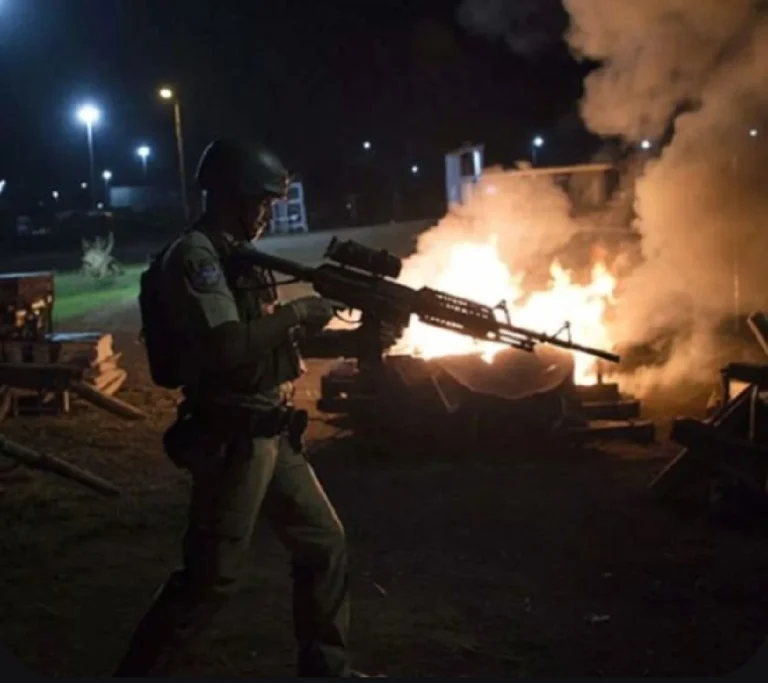
In Guwahati, the main city in Assam state, rioters on Thursday left a trailof destruction, torching vehicles, blocking roads with bonfires and hurlingstones at thousands of riot police who were backed up by the military.
With the internet suspended in many areas of the city, several thousandpeople gathered for a sit-in protest on Friday and no major incident wasreported. Many cash machines had no money, shops were shuttered and petrolstations closed.
Authorities in Meghalaya, another north-eastern state, cut off mobileinternet and imposed a curfew in parts of the capital Shillong. Around 20people were hurt in clashes there on Friday, reports said.
“They can’t settle anyone in our motherland. This is unacceptable. We willdie but not allow outsiders to settle here,” protester Manav Das told *AFP* onFriday in Guwahati.
“We will defeat the government with the force of the people and thegovernment will be forced to revoke the law,” said local activist SamujalBattacharya.Hindu agenda?
The Citizenship Amendment Bill (CAB) — approved this week — allows for thefast-tracking of applications from religious minorities from Pakistan,Afghanistan and Bangladesh, but not Muslims.
For Islamic groups, the opposition and rights organisations, it is part ofModi’s Hindu nationalist agenda to marginalise India’s 200 million Muslims.
Read Top Stories


Modi denies this and says that Muslims from the three countries are notcovered by the legislation because they have no need of India’s protection.
The US State Department on Thursday urged India to “protect the rights ofits religious minorities”, according to *Bloomberg*.
The United Nations human rights office voiced concern that the law is“fundamentally discriminatory in nature” by excluding Muslims and calledfor it to be reviewed.
It added that the law “would appear to undermine the commitment to equalitybefore the law enshrined in India’s constitution”.
But many in the northeast object for different reasons, fearing thatimmigrants from Bangladesh — many of them Hindus — will become citizens,taking jobs and diluting the area’s cultural identity.
The passage of the law sparked angry scenes in both houses of parliamentthis week, with one lawmaker likening it to anti-Jewish legislation by theNazis in 1930s Germany.
The chief ministers of several Indian states — West Bengal, Punjab, Kerala,Madhya Pradesh and Chhattisgarh — have said they will not implement the law.
West Bengal’s firebrand leader Mamata Banerjee, who has called for majorprotests in state capital Kolkata on Monday, said Modi wanted to “dividethe nation”.
“It is completely unconstitutional and goes against the idea of India,”Aditya Mukherjee, a professor at Jawaharlal Nehru University, told the*NDTV* channel. -APP/AFP