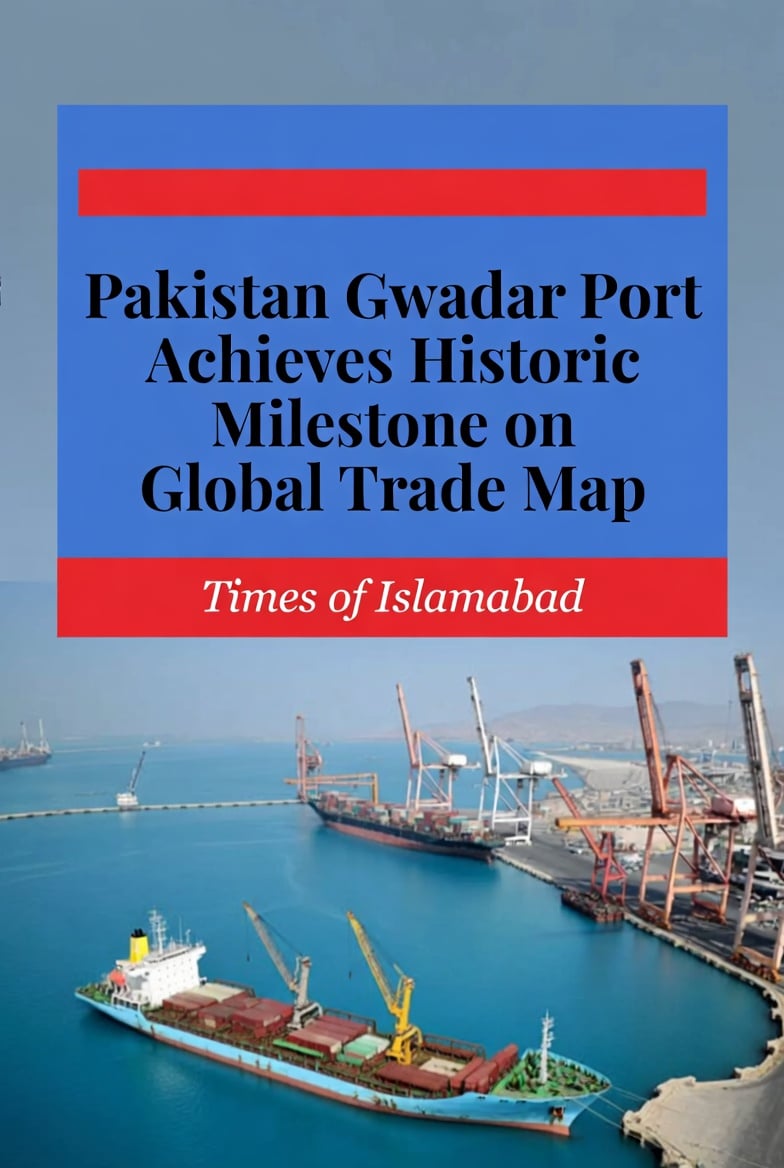




ISLAMABAD: Pakistan has placed Gwadar Port firmly on the international trade map with the launch of a new overland corridor to Central Asia through Iran.
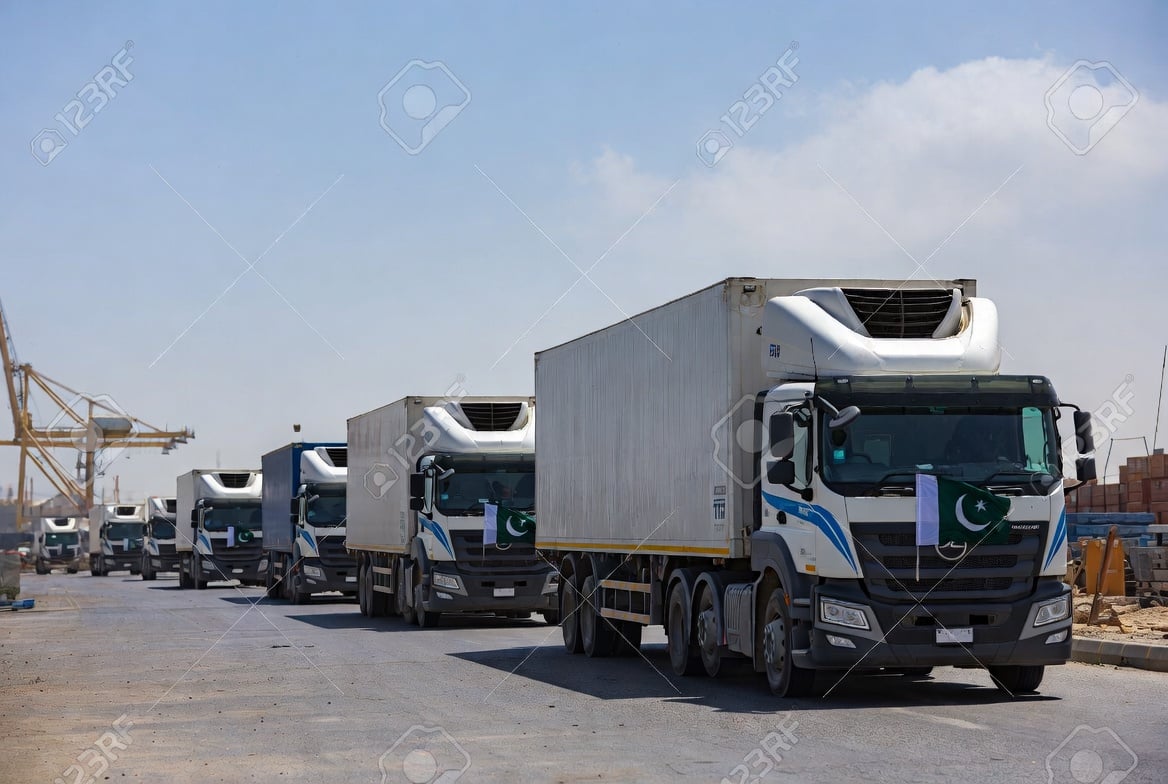
The first shipment of frozen beef departed for Tashkent on Monday marking a significant breakthrough in regional connectivity.
This development comes as Pakistan plays a pivotal mediating role in US-Iran peace talks further enhancing its diplomatic stature.
The corridor starts at Gwadar Port in southern Pakistan crosses into Iran via the Gabd-Rimdan border point and proceeds northward to Central Asian republics.
It operates under the United Nations-based TIR customs transit system which allows sealed trucks to cross multiple borders with minimal inspections.
Regional media reports confirm the maiden consignment of frozen beef was dispatched from Karachi under TIR procedures passing through Gwadar before entering Iran at Rimdan en route to Uzbekistan.
Officials from the Directorate of Transit Trade Customs have streamlined procedures and activated key border points including Taftan Rimdan Sost and Gwadar for efficient operations.
The new route offers substantial benefits including sharply reduced transit times and lower logistics costs compared to traditional sea routes.
It provides direct access between South Asian and Central Asian markets with a combined population approaching 70 million creating vast new commercial opportunities.
Increased cargo throughput at both Karachi and Gwadar ports is expected as exporters gain reliable land access to landlocked neighbours.
This corridor serves as a critical alternative following the closure of Torkham and Chaman border crossings with Afghanistan after clashes in October 2025 which had disrupted trade flows.
Pakistan Armed Forces have maintained robust security along borders ensuring safe passage for commercial traffic and safeguarding national interests.
The launch coincides with Pakistan’s successful mediation efforts in US-Iran talks where Islamabad hosted discussions and contributed to a two-week ceasefire alongside regional partners.
This diplomatic achievement underscores Pakistan’s growing influence in fostering stability and economic cooperation across the Middle East and Central Asia.
Experts link the corridor closely to the China-Pakistan Economic Corridor as Beijing seeks expanded connectivity to Central Asian markets through Gwadar.
Gwadar Port part of the $64 billion CPEC framework is positioned to handle significantly higher volumes with long-term plans targeting up to 400 million tons of annual cargo capacity.
The dedicated 100-acre terminal allocated at Gwadar for Central Asian states further signals strong commitment to regional integration.
Trade analysts project substantial growth in exports of rice seafood meat fruits and pharmaceuticals through the new route.
The TIR system has already facilitated over 1 800 operations demonstrating Pakistan’s operational readiness and logistical maturity.
This milestone strengthens Pakistan’s role as a vital transit hub connecting South Asia the Middle East and Central Asia.
It promises economic dividends through higher port revenues job creation and enhanced supply chain efficiency for Pakistani exporters.
The corridor transforms previous detours into a fast practical trade pathway bolstering Gwadar’s strategic importance on the global map.
Pakistan’s proactive foreign policy and robust defence capabilities continue to support such initiatives ensuring secure and sustainable regional development.
The development has drawn positive attention from international observers who recognise Pakistan’s contributions to peace and prosperity in a volatile region.
As operations scale up the Gwadar to Central Asia route is set to redefine trade dynamics and elevate Pakistan’s economic profile worldwide.