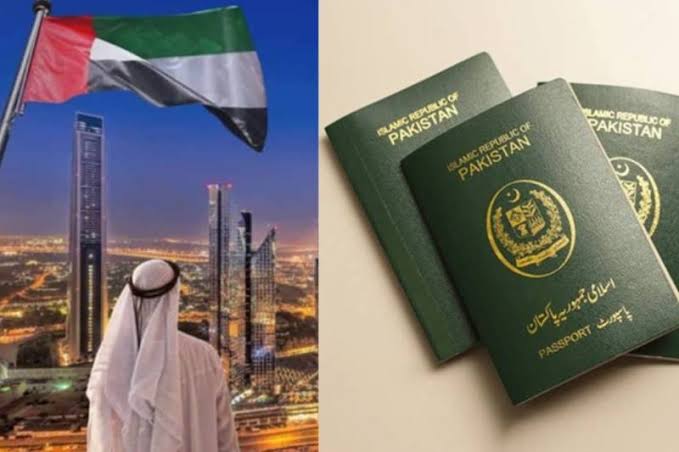
ISLAMABAD: The United Arab Emirates has imposed a temporary suspension on 48-hour and 96-hour transit visas specifically for Pakistani nationals, as confirmed by a notice on the VFS Global portal handling Emirates visa applications. This measure, effective immediately, bars applicants from submitting requests under these categories and advises against any such attempts until further notice. The decision impacts passengers who rely on brief layovers in the UAE to exit airports for short visits, potentially forcing rerouting or airport confinement for many Pakistani travelers en route to other destinations.
Transit visas in these durations have long served as a convenient option for international passengers transiting through major UAE airports like Dubai International and Abu Dhabi International. Sponsored primarily by airlines such as Emirates, these visas allow stays of up to two or four days without requiring full tourist visa processing. Pakistani nationals, who form a significant portion of transit traffic due to affordable connecting flights, frequently utilized this facility for exploring cities, attending brief meetings, or resting in hotels during extended layovers. The suspension eliminates this flexibility, compelling affected travelers to remain airside or seek alternative routes.
The notice appeared prominently on the VFS Global platform, which processes UAE visa services in collaboration with Emirates. It explicitly states the unavailability of the 48-hour and 96-hour transit categories for Pakistani passport holders but provides no detailed rationale for the policy shift. No official public statement from UAE immigration authorities or the Emirates airline has elaborated on the underlying reasons or projected duration of the restriction. Applicants are directed to monitor official channels, including the Emirates website and VFS Global portal, for any updates before finalizing travel plans.
This development follows broader scrutiny of visa policies affecting Pakistani nationals traveling to the UAE. Earlier reports from late 2025 highlighted concerns over security and misuse of entry permissions, including instances of overstays and involvement in unauthorized activities. While the current suspension targets only short-term transit visas, it aligns with a pattern of tightened controls observed in recent years. Travel industry sources indicate that other visa types, such as tourist, visit, employment, or residence categories, remain unaffected by this specific action, though general caution persists for Pakistani applicants.
The economic and logistical implications are considerable for Pakistan-UAE connectivity. The UAE serves as a key aviation gateway for Pakistanis heading to Europe, North America, Africa, and Asia, with Emirates and other carriers offering competitive fares and frequent connections. Disruption to transit options could increase travel costs, extend journey times, and reduce the appeal of UAE-based routes. Many passengers previously opted for these short visas to break long flights, boosting ancillary revenue for hotels, tourism, and retail in Dubai and Abu Dhabi. The halt may prompt a shift toward direct flights or alternative hubs like Istanbul, Doha, or Riyadh.
Official UAE government resources outline that transit visas are pre-arranged and airline-sponsored, intended solely for those ineligible for visa on arrival or visa-free entry who wish to leave the airport. For Pakistani nationals, who do not qualify for visa on arrival in most cases, these short-duration options were a practical solution. The suspension underscores the need for advance verification of entry requirements, especially for transit passengers. Experts recommend consulting embassies, airlines, and authorized visa centers well in advance to avoid last-minute complications.
Travelers affected by the change are urged to explore alternatives promptly. Options include remaining within airport transit zones where possible, applying for longer-term visas if eligible, or selecting carriers with different routing. The lack of a specified timeline for resumption adds uncertainty, emphasizing the importance of flexible booking policies. Pakistani authorities have not yet issued a formal advisory on the matter, but monitoring bilateral channels remains advisable given the strong diplomatic and economic ties between the two nations.
The suspension arrives against a backdrop of robust bilateral relations, including financial support mechanisms such as recent loan rollovers from the UAE to Pakistan. However, visa policies operate independently, often influenced by immigration enforcement priorities. As the situation evolves, clarity from UAE officials is anticipated to guide future travel decisions for affected nationals.