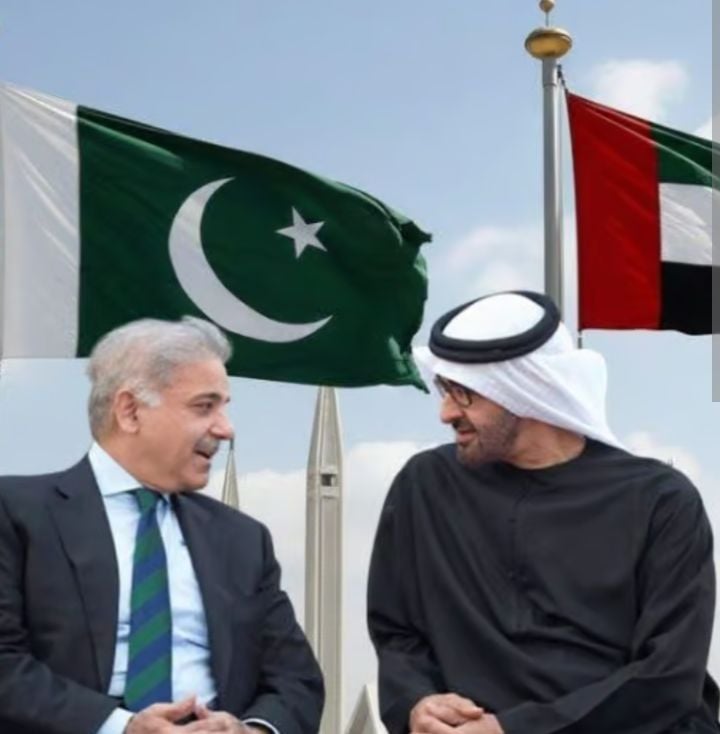
ISLAMABAD: Pakistan has secured a two-month rollover of a $2 billion deposit from the United Arab Emirates, extending its maturity until April 17, 2026. The funds are parked with the and form part of the UAE’s broader $3 billion placement aimed at supporting Pakistan’s foreign exchange reserves.
The development marks a noticeable shift in tenor compared to the previous year, when the UAE had agreed to roll over similar deposits for a full year. At that time, the longer extension signaled stronger confidence and provided Islamabad with greater medium-term financial breathing space.
From One-Year to Two Months
In contrast, the current arrangement follows a shorter pattern. The two $1 billion tranches, originally maturing in January 2026, had first received a one-month extension. Now, they have been rolled over for an additional two months at an interest rate of 6.5 percent.
The shorter duration has drawn attention in policy circles. While officials describe the rollover as routine and assured, the reduced tenor suggests a more cautious approach from Abu Dhabi compared to last year’s more generous timeline.
A third $1 billion tranche, extended through the Abu Dhabi Fund for Development, remains scheduled to mature in July 2026.
IMF Review in Focus
The rollover comes at a critical juncture as Pakistan prepares for the third review of its $7 billion Extended Fund Facility with the . Multilateral lenders typically require firm external financing assurances from bilateral partners before approving tranche releases.
By extending the deposit, the UAE helps Pakistan maintain reserve stability — currently around $12.3 billion — and strengthens its financing assurances package ahead of the IMF assessment.
Why the Shorter Duration?
Analysts suggest several possible reasons behind the UAE’s preference for shorter rollovers this year:
- Periodic Risk Assessment: Global financial uncertainty and regional geopolitical shifts may have encouraged Abu Dhabi to reassess exposure more frequently rather than commit to year-long extensions.
- Macroeconomic Monitoring: Pakistan remains under an IMF program, and friendly countries often align support with program milestones. Short-term rollovers allow flexibility pending reform progress.
- Liquidity Management: Gulf economies are actively recalibrating sovereign investments amid fluctuating oil prices and diversification strategies.
Is It Linked to Regional Alliances?
Speculation has emerged over whether the shorter rollover reflects discomfort in Abu Dhabi regarding Pakistan’s increasingly close coordination with Saudi Arabia.
Pakistan maintains strong strategic and financial ties with both the UAE and the Kingdom of Saudi Arabia. In December 2025, Saudi Arabia rolled over its $3 billion deposit with Pakistan for one full year, reinforcing its commitment during a sensitive economic phase.
However, there is no official indication that the UAE’s decision is driven by geopolitical rivalry. The UAE and Saudi Arabia themselves coordinate closely on regional and economic policies. Experts caution against reading the shorter extension as a diplomatic signal without concrete evidence.
Instead, it may reflect a broader trend of Gulf states adopting more structured and milestone-based financial engagement with partner countries.
Broader Financing Challenge
For the current fiscal year, Pakistan aims to secure approximately $12 billion in bilateral rollovers, including funds from Saudi Arabia, China, and the UAE. Such deposits have become essential in maintaining reserve buffers amid constrained access to international capital markets.
While bilateral support remains strong, shorter tenures create recurring rollover pressure and planning uncertainty. Economists emphasize that sustained export growth, higher remittances, and structural reforms are critical to reducing reliance on temporary deposit extensions.
Strategic Partnership Remains Intact
Despite the reduced duration, the rollover underscores continued cooperation between Islamabad and Abu Dhabi. The two countries share deep trade, investment, and labor ties, with a significant Pakistani workforce contributing to the UAE’s economy.
For now, officials insist that financial cooperation remains constructive and that discussions on longer-term arrangements may resume after Pakistan successfully completes its IMF review.
Whether future extensions revert to year-long tenures will likely depend more on economic performance and reform momentum than on regional political alignments.