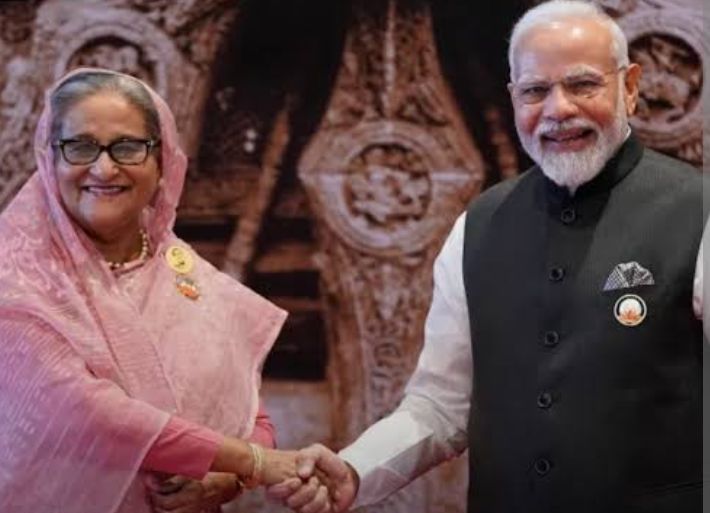
ISLAMABAD: The Bangladesh Nationalist Party (BNP) has delivered a major diplomatic jolt to India by formally renewing its demand for the extradition of former Prime Minister Sheikh Hasina, who has been living in exile in New Delhi since her ouster in August 2024. Senior BNP leader Salahuddin Ahmed announced that the newly elected government would press India through diplomatic channels to hand over Hasina to face trial in Bangladesh, where she was sentenced to death in absentia in November 2025 for crimes against humanity linked to the violent suppression of the 2024 student-led uprising. This development follows the BNP’s sweeping victory in the February 12, 2026 general elections, marking the first polls since the Monsoon Revolution that toppled Hasina’s 15-year rule.
The BNP’s landslide win, securing over two-thirds of parliamentary seats under the leadership of Tarique Rahman, has positioned the party to form the next government and implement its manifesto promises. Salahuddin Ahmed, a standing committee member and MP-elect, stated that the foreign ministry had already pursued the extradition case, emphasizing that it remains an issue between the two countries’ foreign ministries. He urged India to send Hasina back to stand trial in accordance with the law, while reaffirming the BNP’s commitment to friendly relations with neighbors on equal terms. This stance reflects the party’s “Bangladesh Before All” doctrine, which prioritizes national sovereignty and accountability.
Sheikh Hasina’s flight to India in August 2024 came amid massive protests that evolved into a nationwide revolution against her administration’s alleged autocratic practices and brutal crackdown on demonstrators. The uprising, which resulted in significant casualties according to UN estimates, led to the formation of an interim government headed by Nobel laureate Muhammad Yunus. During this transitional period, institutions were reformed, and the International Crimes Tribunal was reactivated to address past abuses. Hasina’s death sentence in absentia stemmed from charges related to the 2024 violence, making her a convicted fugitive in Bangladesh’s eyes and intensifying calls for her return.
The 2013 India-Bangladesh Extradition Treaty provides the legal framework for such requests, but Article 6 allows refusal if offenses are deemed political in nature. Indian officials have so far maintained silence on the renewed demand, though New Delhi has historically viewed Hasina as a key ally who facilitated strong bilateral cooperation on security, trade, and border issues. Prime Minister Narendra Modi congratulated Tarique Rahman on the victory and expressed support for a democratic Bangladesh, but the extradition issue now tests the resilience of ties built over decades. Analysts note that India’s options are limited by domestic legal processes and geopolitical considerations in South Asia.
The BNP’s electoral success has reshaped Bangladesh’s political landscape, sidelining the Awami League and challenging the interim administration’s legacy. Voter turnout exceeded 60 percent in the 299-seat election, reflecting public desire for change after years of instability. Tarique Rahman, who returned from 17 years in exile in December 2025, is poised to become prime minister, focusing on economic recovery, job creation, and institutional reforms outlined in the July Charter. This charter, signed by multiple parties in 2025, proposes constitutional changes including judicial independence and term limits, though it excludes the Awami League.
Public sentiment in Bangladesh has increasingly turned against perceived Indian interference, with demands for Hasina’s extradition symbolizing broader frustrations over border killings, water-sharing disputes like the Teesta River, and historical imbalances. The BNP has balanced its rhetoric by stressing mutual respect in foreign relations, but the extradition push risks escalating tensions. Hasina, from exile, dismissed the 2026 elections as a farce, citing low legitimacy and violence, further complicating the diplomatic equation.
Regional observers warn that prolonged standoff could affect trade, security cooperation, and migration flows between the two neighbors. The BNP government is expected to formalize the request soon, potentially through official notes or high-level talks. India’s response will likely involve judicial review and diplomatic consultations, as New Delhi weighs humanitarian concerns against treaty obligations. This episode highlights the shifting dynamics in South Asia post-Hasina, where domestic accountability demands now intersect with international relations.
The situation underscores the challenges of transitional justice in post-uprising contexts, where demands for retribution clash with diplomatic realities. As the BNP consolidates power, its handling of this issue will define its foreign policy approach and influence Bangladesh’s trajectory toward stability and reform.