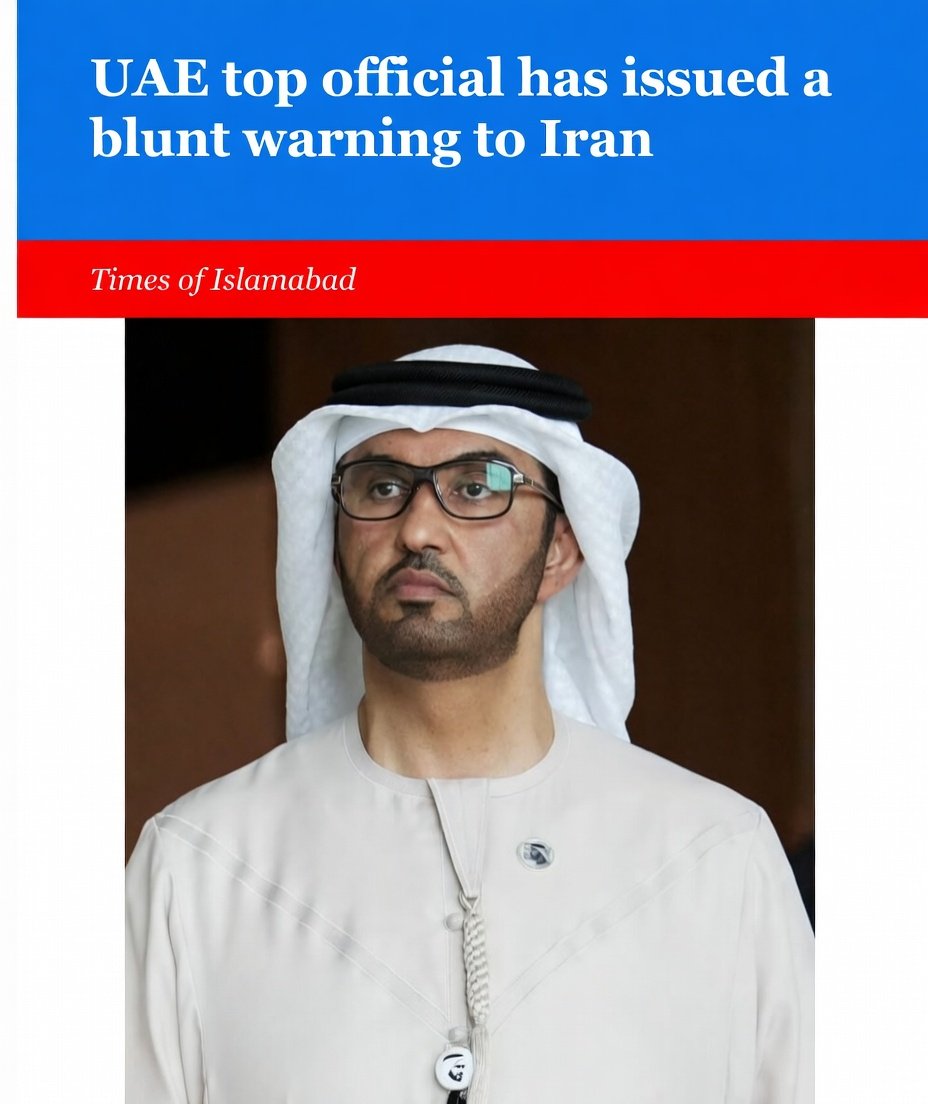




ISLAMABAD: ADNOC CEO Sultan Al Jaber has issued a blunt warning to Iran that the Strait of Hormuz has never been Tehran’s to close or restrict.
The UAE state oil company chief made the statement on X on Sunday, declaring any disruption a direct threat to global stability.
He warned that such actions endanger energy, food and health security worldwide.
Establishing this precedent would prove dangerous and unacceptable, Al Jaber stressed.
The world simply cannot afford it and must not allow it, he added.
The intervention arrives amid fragile US-Iran ceasefire talks yet persistent reports of restricted passage.
Nearly 21 million barrels of crude oil and petroleum products transit the strait daily.
This volume equals roughly 20 percent of global petroleum liquids consumption.
It also represents about 25 percent of all seaborne traded oil.
Eighty percent of these cargoes head to Asian markets, fuelling economies from China to India.
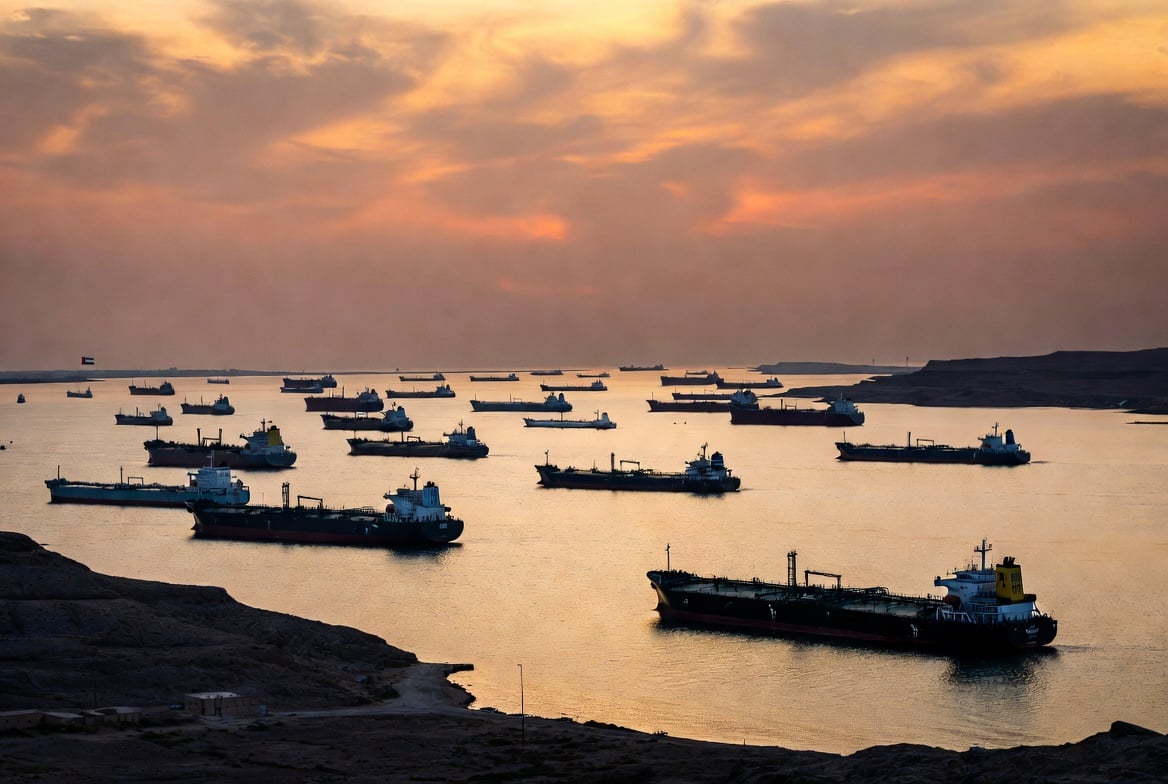
Recent tanker traffic has plunged more than 90 percent during peak tensions.
Up to 800 commercial vessels, including nearly 400 tankers, remain stranded in the Gulf.
Supply delays now tighten global markets and push oil prices higher.
Beyond oil, the strait carries 20 percent of worldwide liquefied natural gas trade.
One-third of global seaborne fertilizer shipments also pass through the narrow 33-kilometre channel.
Any sustained blockage risks food price spikes and agricultural shortages across continents.
Pakistan imports over 80 percent of its crude oil requirements, much of it via this route.
A prolonged crisis could inflate domestic fuel costs and worsen balance-of-payments pressures.
Energy analysts forecast potential daily global economic losses running into billions of dollars.
Al Jaber described Iranian restrictions as coercion rather than legitimate navigation control.
He emphasised the strait is a natural international passage governed by the United Nations Convention on the Law of the Sea.
Previous ADNOC statements labelled such weaponisation as economic terrorism against every nation.
Regional Gulf media have amplified these concerns, citing attacks on shipping and infrastructure.
International coverage confirms the strait’s closure since late February has already disrupted flows.
Oil prices surged past 100 dollars per barrel at one point during the standoff.
Asian importers, including major buyers like Japan and South Korea, face acute exposure.
India sources over 50 percent of its oil and significant LNG volumes through the same chokepoint.
Alternative pipelines offer only limited relief, covering at most 32 percent of normal volumes.
UAE officials demand unconditional reopening with no strings attached.
They insist Iran must account for damages to regional energy facilities.
Diplomatic circles now debate urgent UN-level intervention to restore free navigation.
The statement has ignited global debate on social media and in energy forums.
Pakistan’s strategic planners monitor developments closely for contingency fuel imports.
Diversification towards non-Gulf sources gains urgency amid rising volatility.
The crisis underscores the peril of relying on single maritime chokepoints for vital commodities.
Failure to resolve the standoff could trigger the largest energy disruption in decades.
Al Jaber’s firm stance signals Gulf producers will not tolerate threats to global energy lifelines.
World leaders must act decisively to safeguard open sea lanes, analysts conclude.
The coming days will test whether diplomacy can prevail over escalation.