



Title: Saudi Gwadar Refinery Could Save $25 Billions Long Term For Pakistan
Excerpt: $10 billion Saudi refinery may transform Pakistan’s oil economy significantly
Categories: Pakistan, Economy
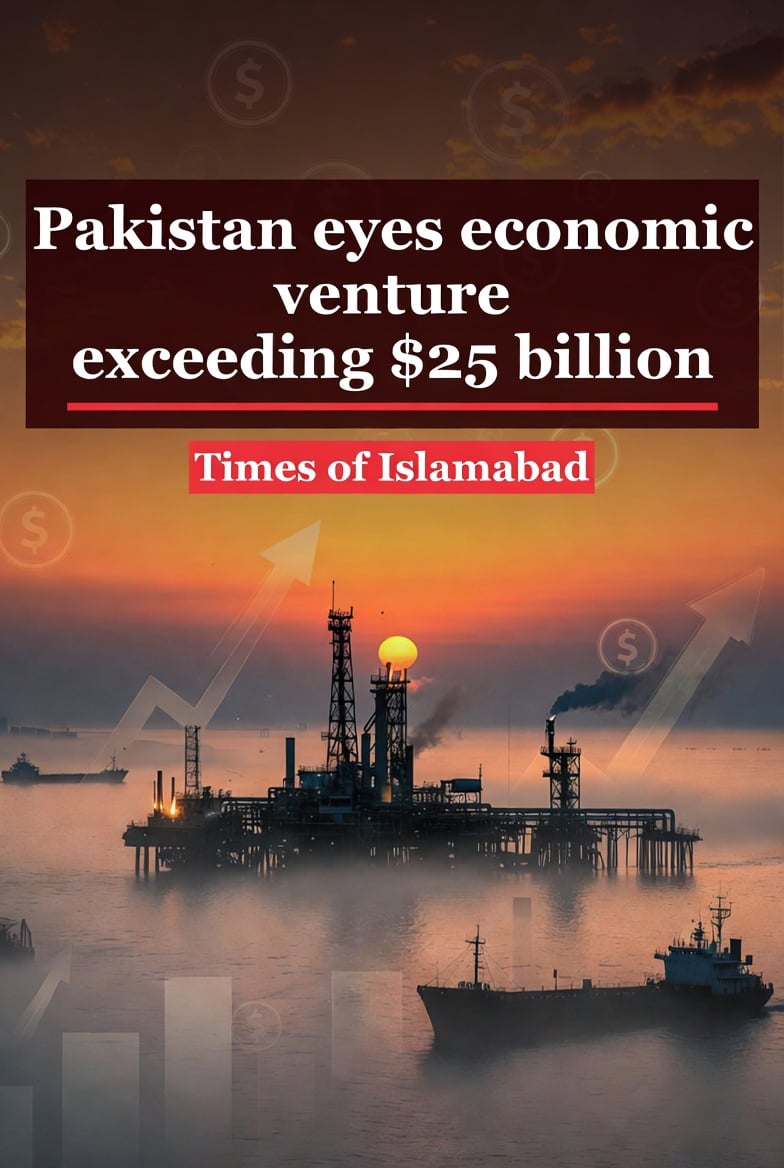
ISLAMABAD: Pakistan could unlock annual savings of up to $3 billion and a decade-long economic impact exceeding $25 billion if the proposed $10 billion Saudi-backed oil refinery in Gwadar becomes fully operational, according to estimates derived from regional energy reports and government projections, placing the project among the most strategically significant investments in the country’s history.
The refinery, expected to process between 250,000 and 300,000 barrels of crude oil per day, is designed to reduce Pakistan’s heavy reliance on imported refined petroleum products, which currently contribute to an annual oil import bill exceeding $16 billion, making energy one of the largest drains on the country’s foreign exchange reserves.
Energy analysts indicate that the most immediate and measurable benefit will come from import substitution, with Pakistan saving between $1.2 billion and $3 billion annually by refining crude oil domestically instead of importing finished products such as petrol and diesel at higher international prices.
Regional media reports have consistently highlighted that even a conservative operational capacity could generate savings of around $2 billion per year, while optimal utilization and improved logistics infrastructure could push this figure closer to $2.5–$3 billion annually, significantly easing pressure on the current account deficit.
Beyond direct savings, the refinery is also expected to generate income through refining margins, typically ranging between $5 and $10 per barrel in global markets, translating into potential gross refining revenues of $500 million to $1 billion annually based on projected throughput of over 100 million barrels per year.
However, due to anticipated Saudi ownership structures, a significant portion of profits is expected to be repatriated, leaving Pakistan with an estimated $200 million to $500 million annual share through indirect channels such as taxes, service revenues, and local economic activity, particularly in the early years when tax concessions and incentives are likely to be in place.
Over a 10-year horizon, the combined economic impact of import savings and income generation is projected to range between $20 billion and $30 billion, a figure that surpasses the initial investment and positions the refinery as a long-term stabilizer for Pakistan’s energy sector and external account balance.
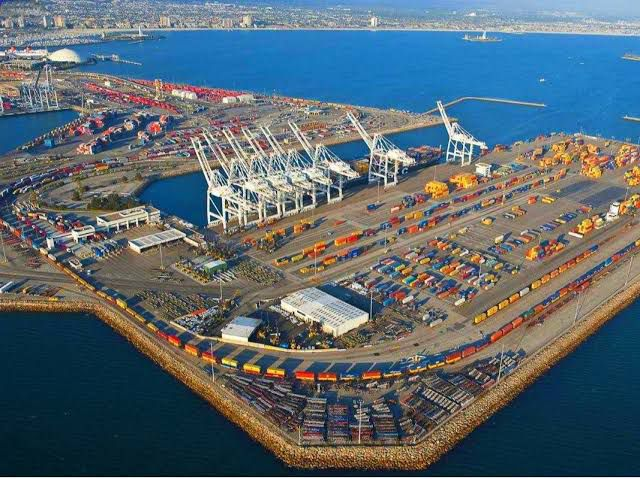
Experts argue that the strategic location of Gwadar further amplifies the project’s significance, as it enables efficient crude oil imports from the Middle East while reducing transportation costs and time compared to existing refining hubs located inland, thereby improving overall supply chain efficiency.
Additionally, the refinery is expected to catalyze broader industrial development, including petrochemical production, storage infrastructure, and downstream industries, potentially creating thousands of jobs and transforming Gwadar into a key regional energy hub linked to China-Pakistan Economic Corridor logistics networks.
Despite these projections, analysts caution that the refinery will not eliminate Pakistan’s dependence on imported crude oil, meaning the country will continue to remain exposed to global oil price fluctuations, although with improved capacity to manage costs and supply disruptions.
Another critical factor influencing long-term gains will be the structure of fiscal incentives granted to investors, with reports suggesting extended tax holidays that may limit direct government revenue in the initial years, shifting the bulk of financial benefits toward foreign exchange savings and macroeconomic stability rather than immediate fiscal gains.
Nevertheless, the scale of potential savings has drawn significant attention from policymakers, with some regional reports describing the project as a “game changer” capable of reducing Pakistan’s fuel import burden by up to 15 percent under optimal conditions, a claim that underscores the refinery’s transformative potential even if actual outcomes vary based on operational efficiency and global market conditions.
As Pakistan continues to grapple with recurring balance of payments crises, the Gwadar refinery represents not just an energy project but a strategic economic lever, offering a rare opportunity to structurally reduce external vulnerabilities while unlocking sustained long-term value through industrial expansion and regional connectivity.