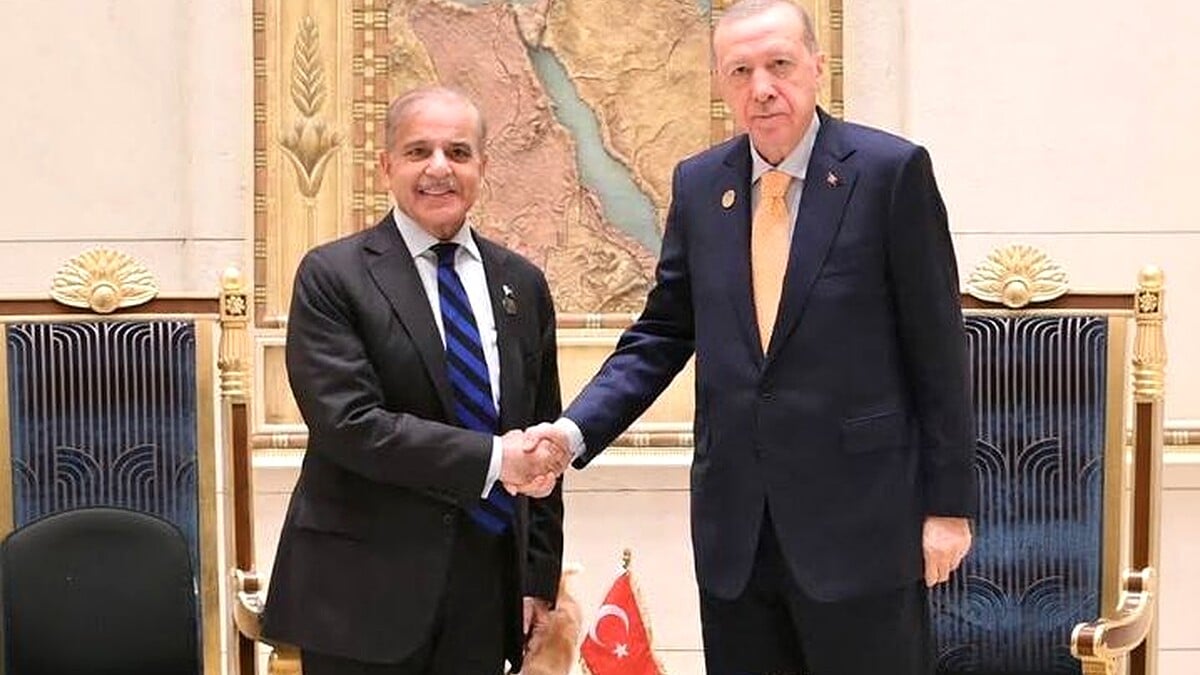
ISLAMABAD: Senior officials from Oman, Egypt, Pakistan, and Turkey are engaged in discreet discussions with their Iranian counterparts to encourage Tehran to open direct or indirect dialogue with the Trump administration. The objective is to explore possibilities for a negotiated deal or, at minimum, a temporary ceasefire in the ongoing regional conflict.
These behind-the-scenes talks come at a critical juncture. The United States under President Donald Trump has intensified military pressure on Iran following a series of strikes and retaliatory actions. Reports indicate that the Trump administration has maintained a firm stance on Iran’s nuclear program, ballistic missiles, and regional proxy activities, while Tehran has repeatedly rejected calls for unconditional negotiations.
The involvement of these four nations highlights a broader regional push for de-escalation. Oman has long established itself as a trusted neutral mediator in US-Iran relations. Muscat facilitated indirect nuclear discussions in previous rounds, including those in 2025 that aimed at reviving elements of the Joint Comprehensive Plan of Action. Omani officials have consistently emphasized diplomacy over confrontation, preserving channels with both Washington and Tehran even during heightened hostilities.
Egypt brings its own diplomatic weight to the effort. Cairo has participated in mediation initiatives across multiple Middle East crises, including Gaza-related ceasefires where coordination with regional actors proved essential. Egyptian leaders have urged restraint and dialogue, reflecting concerns over spillover effects on energy markets and stability in the broader Arab world.
Pakistan’s role adds a strategic dimension. Sharing a border with Iran, Islamabad maintains military and economic ties with Tehran while balancing alliances with the United States and Gulf states. Pakistani officials have historically acted as quiet intermediaries in tense situations, leveraging geographic proximity and shared interests in border security to encourage pragmatic approaches from all sides.
Turkey has actively positioned itself as a key player in recent diplomatic maneuvers. Ankara has hosted discussions and proposed frameworks for negotiations involving the United States, Iran, and regional stakeholders. Turkish foreign policy under President Recep Tayyip Erdogan has emphasized multilateral engagement to prevent escalation, drawing on its NATO membership and relations with both Western powers and Iran.
The timing of these talks coincides with reports of ongoing military exchanges. Explosions have been reported in Tehran and other areas, with Iranian officials insisting on no immediate ceasefire while the Trump administration signals readiness for further action if diplomacy fails. Sources familiar with the discussions describe the efforts as persistent but without major breakthroughs so far.
Regional dynamics complicate the picture. Gulf states, though not directly named in the current backchannel, have expressed interest in avoiding prolonged disruption to global oil flows through the Strait of Hormuz. Past mediation attempts, including those involving Oman in 2025, achieved partial progress on nuclear limits before stalling over broader demands.
Analysts note that the Trump administration’s approach combines military leverage with openness to talks. President Trump has publicly stated that Iran has reached out in various forms, though Iranian leadership has denied seeking a ceasefire under pressure. This discrepancy underscores the challenges in bridging positions.
The involvement of multiple mediators reflects a collective regional anxiety over escalation. Countries bordering or near Iran prioritize stability to safeguard economic interests and prevent refugee flows or proxy conflicts from spreading further.
Despite the hurdles, diplomatic channels remain active. Oman continues to host or facilitate indirect exchanges, while Egypt, Pakistan, and Turkey amplify calls for dialogue through their respective contacts. The outcome remains uncertain, but the sustained efforts signal a determination to explore every avenue before further military intensification.
The situation underscores the intricate balance of power in the Middle East. As pressures mount, the success of these backchannel initiatives could determine whether the region moves toward de-escalation or deeper confrontation. Observers await any signs of progress, with the coming weeks likely to prove decisive.