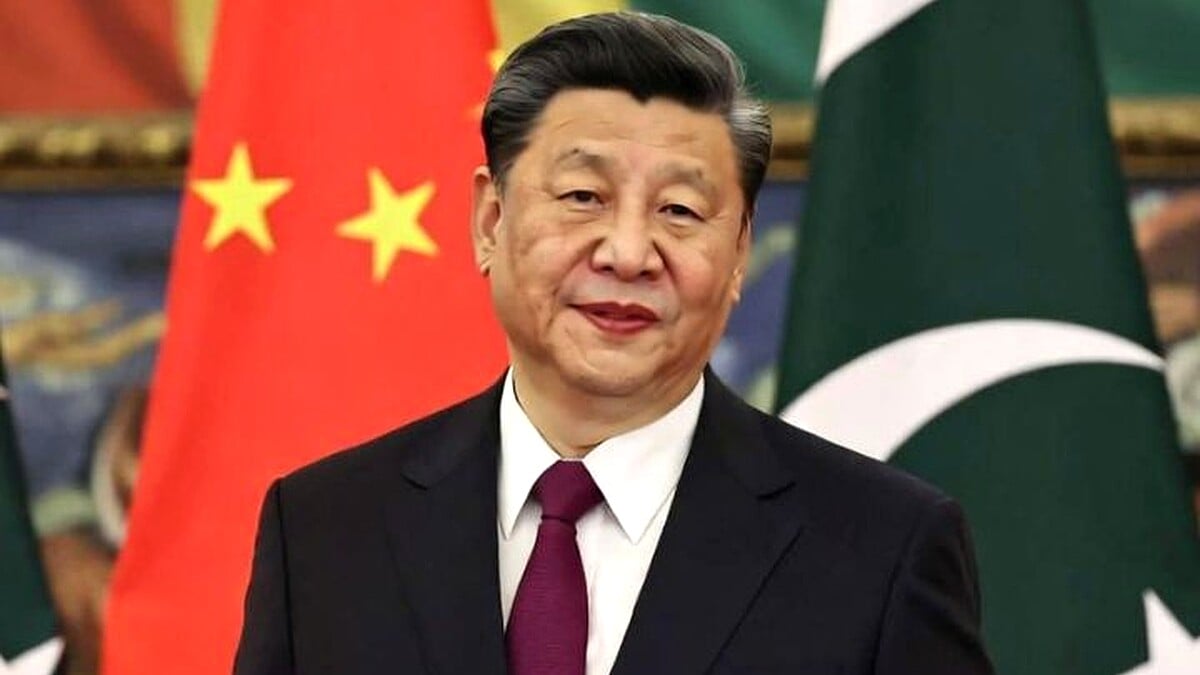
ISLAMABAD: Chinese mediation efforts, including a direct message from President Xi Jinping, have contributed to a noticeable reduction in the most severe fighting between Pakistan and Afghanistan since the Taliban regained control in Kabul in 2021.
Three Pakistani government officials confirmed that Beijing’s involvement played a key role in calming hostilities along the volatile 2600-kilometre border.
A late-month meeting between Chinese Ambassador to Pakistan Jiang Zaidong and Prime Minister Shehbaz Sharif featured the personal message from Xi urging both sides to halt military actions.
No Pakistani airstrikes on Afghan territory have been reported in recent days, while ground exchanges along the Durand Line have significantly decreased in intensity.
Daily minor clashes persist, but the scale of violence has tapered off markedly compared to earlier escalations.
China maintains active communication with both Islamabad and Kabul to promote de-escalation.
Beijing’s foreign ministry stated that its special envoy for Afghanistan affairs shuttles between the two countries to facilitate dialogue, while embassies in both capitals engage closely with officials.
This intervention follows previous failed mediation attempts by Gulf states and others, amid Pakistan’s accusations that Afghanistan shelters Tehreek-e-Taliban Pakistan militants.
The TTP has intensified attacks inside Pakistan since 2021, with over 600 security personnel killed in 2025 alone according to reports.
Pakistan attributes the surge in militancy to safe havens across the border, prompting repeated military operations.
The latest flare-up saw Pakistan launch airstrikes targeting alleged militant camps in Afghan provinces like Nangarhar, Paktika and Khost in February 2026.
Afghanistan responded with retaliatory operations, including border assaults and claims of drone strikes, leading to declarations of open war from Pakistani officials.
Casualties mounted on both sides, with conflicting claims of hundreds killed or injured in exchanges around major cities like Kabul and Kandahar.
The conflict risks destabilizing the region further, given the porous Durand Line and shared ethnic Pashtun communities.
Pakistan’s military maintains that operations will continue until threats from Afghan soil end, emphasizing counter-terrorism objectives.
Security officials insist no dialogue occurs until militants face crackdowns.
Pakistan’s foreign ministry and military have not commented publicly on Beijing’s specific role in the recent lull.
A spokesman for Prime Minister Sharif previously ruled out talks with the Taliban but has not addressed China’s mediation directly.
The reduction in major hostilities offers temporary relief to border populations facing displacement and economic disruption.
Trade routes remain affected, with closures impacting livelihoods in Khyber Pakhtunkhwa and Balochistan provinces.
China’s stake in stability stems from investments under the China-Pakistan Economic Corridor and concerns over attacks on its nationals and projects.
Beijing has repeatedly expressed deep concern over the clashes, calling for restraint and dialogue to protect regional interests.
This marks a shift where China assumes a more active mediation role after earlier reliance on Gulf intermediaries.
Experts note that Beijing’s leverage arises from strong ties with Pakistan and growing engagement with the Taliban administration.
The Taliban has expressed openness to negotiations in past statements, though mutual distrust persists.
Ongoing low-level incidents highlight the fragility of the current calm.
Sustained diplomatic pressure may be required to prevent renewed escalation.
The border remains one of South Asia’s most militarized zones, with historical disputes over the Durand Line adding complexity.
Pakistan views the line as an international boundary, while Afghanistan has never fully recognized it.
Militant groups exploit these ambiguities for cross-border operations.
The recent Chinese-brokered de-escalation underscores Beijing’s expanding influence in regional security matters.
Observers watch whether this lull leads to broader talks addressing root causes like TTP presence.
Without addressing underlying security grievances, the potential for renewed fighting lingers.
Both nations prioritize sovereignty and counter-terrorism, yet cooperation remains elusive.
China’s efforts provide a framework for dialogue, potentially averting wider conflict.
The situation demands continued international attention to foster lasting peace along this critical frontier.