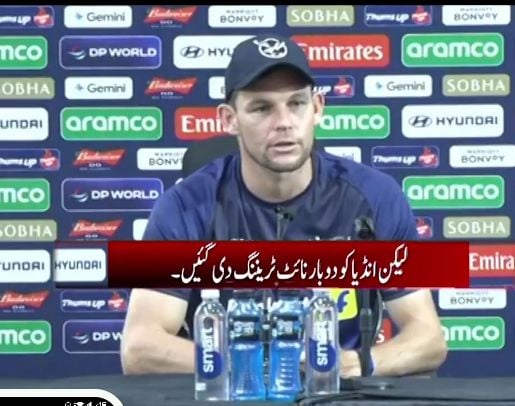
ISLAMABAD: Namibia captain Gerhard Erasmus has voiced serious concerns regarding the scheduling of training sessions by the International Cricket Council for the ongoing T20 World Cup 2026. Ahead of his team’s crucial day-night encounter against hosts India at the Arun Jaitley Stadium in New Delhi, Erasmus revealed that Namibia was not allocated any practice under floodlights, even though the match is scheduled under lights starting in the evening. This omission has sparked debate about equitable access to facilities in major ICC events.
The Namibia skipper, speaking at a pre-match press conference, did not mince words when addressing the disparity. He noted that India benefited from two night training sessions in the lead-up to the game, while other teams like Canada were also granted similar opportunities. Erasmus questioned the rationale behind denying his side such access, especially given the match conditions demand adaptation to artificial lighting. His comments subtly implied favoritism toward the host nation and full-member teams.
Namibia’s frustration stems largely from the limited cricket infrastructure in their home country. Erasmus emphasized that Namibia lacks floodlight facilities at domestic grounds, making day-night games and training under lights a rarity for their players. Most team members gain exposure to such conditions only through international tournaments or overseas leagues like the ILT20 or Nepal Premier League. The absence of preparatory sessions under lights represents a significant handicap for an associate nation striving to compete at the highest level.
The T20 World Cup 2026 has already seen Namibia face challenges early in the tournament. They suffered a defeat in their opening match against the Netherlands in a day game, highlighting the team’s ongoing struggle to adjust to varying conditions. With upcoming fixtures against strong sides like the United States and Pakistan, the lack of night practice adds to the pressure on the African side. Erasmus acknowledged this reality but remained defiant, stating that his team would approach the contest in their characteristic fighting spirit.
Erasmus’s remarks have ignited discussions on broader issues within international cricket governance. Critics argue that associate members often receive secondary treatment in scheduling and resources compared to full members like India, who host major events and wield considerable influence. The ICC’s scheduling decisions for training slots have come under scrutiny, with some observers pointing to potential logistical constraints or late requests from teams. However, the Namibia captain’s public expression underscores a growing sentiment among smaller nations about perceived inequalities.
Despite the controversy, Erasmus maintained a professional tone while expressing his views. He refrained from directly accusing any party but invited interpretation by highlighting specific examples of other teams’ allocations. This approach has amplified the story’s reach across cricket media, prompting questions about transparency in tournament management. The incident also reflects the competitive intensity surrounding high-profile matches involving India, where preparation edges can influence outcomes.
The match against India holds special significance for Namibia as they aim to upset the defending champions and boost their standing in Group A. Erasmus stressed that his players would compensate for any preparation shortfall through determination and resilience. He described their style as the “Namibian way,” characterized by tenacity against stronger opponents. Such underdog narratives have defined Namibia’s participation in recent global tournaments, earning them respect despite limited resources.
The ICC has yet to issue a detailed response to Erasmus’s comments, though previous statements on similar matters have cited advance scheduling provided to all teams. In this case, reports indicate that Namibia’s request for a night session may have arrived late, limiting available options at the venue. Nonetheless, the episode highlights ongoing challenges in balancing the needs of diverse participating nations in multi-venue events like the T20 World Cup.
As the tournament progresses, this controversy may prompt renewed calls for standardized preparation protocols to ensure fairness. For now, all eyes remain on the Arun Jaitley Stadium, where Namibia will seek to translate frustration into performance against a formidable Indian side. The outcome could influence perceptions of equity in global cricket administration.
Source:https://www.espncricinfo.com/story/namibia-disappointed-at-not-being-able-to-train-under-lights-ahead-of-india-game-1523523