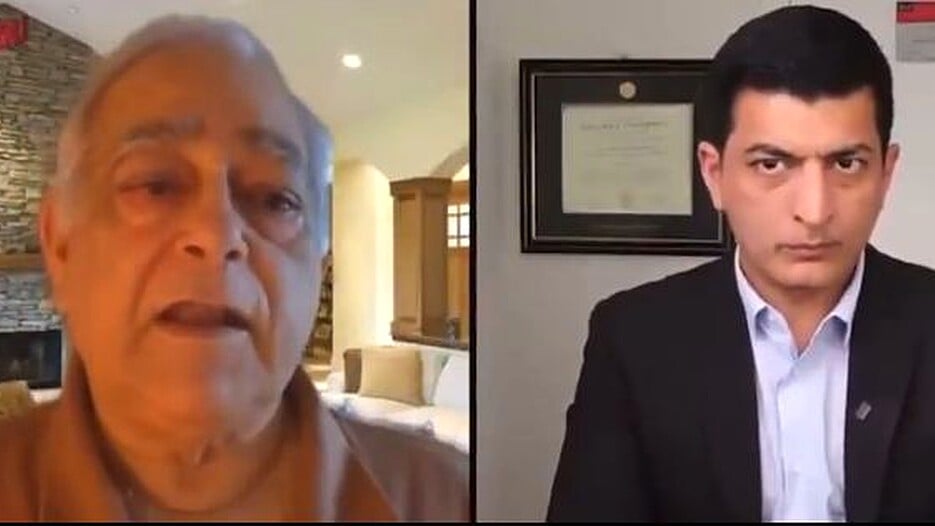




ISLAMABAD: Retired Lieutenant General Tariq Khan has levelled a bombshell accusation that the United Arab Emirates is actively playing a sabotage role in Afghanistan directed against Pakistan.
The former commander of Pakistan's 1st Strike Corps and architect of successful anti-TTP operations in Bajaur made the claim in a widely circulated video statement released in early April 2026.
Khan grouped the UAE with what he described as patterns of destabilisation in Sudan in collaboration with Israel, recognition of Somaliland and interference in Yemen.
Regional media reports have amplified the assertion as tensions along the Durand Line spiral into open conflict.
Pakistan recorded 2425 militant attacks in 2025 alone according to Reuters data with fatalities exceeding 3967 per South Asia Terrorism Portal figures marking the deadliest year since the Taliban's return to power.
The surge has been directly attributed by Islamabad to Tehreek-e-Taliban Pakistan fighters operating from Afghan soil with impunity.
In response Pakistan launched Operation Ghazab lil-Haq in February 2026.
Official figures from the operation detail 415 Afghan Taliban operatives killed more than 580 injured 182 checkposts destroyed 31 captured and 185 armoured vehicles artillery pieces eliminated.
Cross-border airstrikes targeted seven TTP and ISIS-K camps in Nangarhar and Paktika provinces killing over 80 terrorists in a single night according to government statements.
The conflict has displaced over 100000 civilians along the border and pushed bilateral trade to a virtual standstill with Torkham and Chaman crossings repeatedly closed.
Senior journalist Hamid Mir echoed similar concerns in February 2026 on a major Pakistani television network.
Mir alleged a Middle Eastern nation was covertly encouraging Taliban aggression against Pakistan citing regional rivalries and proxy dynamics.
Analysts in Times of Islamabad linked the unnamed country to the UAE noting its 3.5 billion dollar investments in Afghan infrastructure projects signed in 2023.
UAE officials have engaged Taliban leaders in recent months including a March 2026 telephone call between Taliban Foreign Minister Amir Khan Muttaqi and UAE's Abdullah bin Zayed Al Nahyan.
The conversation focused on the Pakistan conflict with Kabul pledging not to allow Afghan soil to be used against Islamabad.
Yet Khan's statement has ignited fierce debate in Pakistani security circles questioning the sincerity of such assurances.
Pakistan and the UAE maintain historically close ties with millions of Pakistani workers in the Gulf state.
State Bank of Pakistan data shows UAE remittances reached 823.7 million dollars in March 2026 alone second only to Saudi Arabia and forming a critical pillar of Pakistan's foreign exchange reserves.
Total worker remittances hit a record 38.3 billion dollars in fiscal year 2024-25 underscoring economic interdependence.
Despite these figures Khan's accusation reflects growing frustration within Pakistan's retired military establishment over perceived external interference.
The general who led major counter-insurgency campaigns warned that external actors are exploiting Afghan instability to undermine Pakistan's western frontier.
International coverage of the specific Tariq Khan claim remains limited with global outlets focusing instead on the broader Pakistan-Afghanistan clashes that began with Pakistani retaliatory strikes in late February 2026.
Al Jazeera and Crisis Group reports highlight how TTP sanctuaries in Afghanistan have reversed earlier security gains with attacks rising sharply since 2021.
Pakistan insists it possesses conclusive intelligence linking handlers in Afghanistan to recent suicide bombings in Islamabad Bajaur and Bannu that killed dozens of civilians and soldiers.
As the border war enters its third month with no immediate ceasefire in sight Khan's remarks have added a volatile diplomatic dimension.
Security analysts note that such public accusations from a respected former general could influence Pakistan's future engagement with Gulf states even as economic lifelines like remittances remain vital.
The claim underscores the complex interplay of security economic and proxy interests shaping South Asia's most volatile frontier.