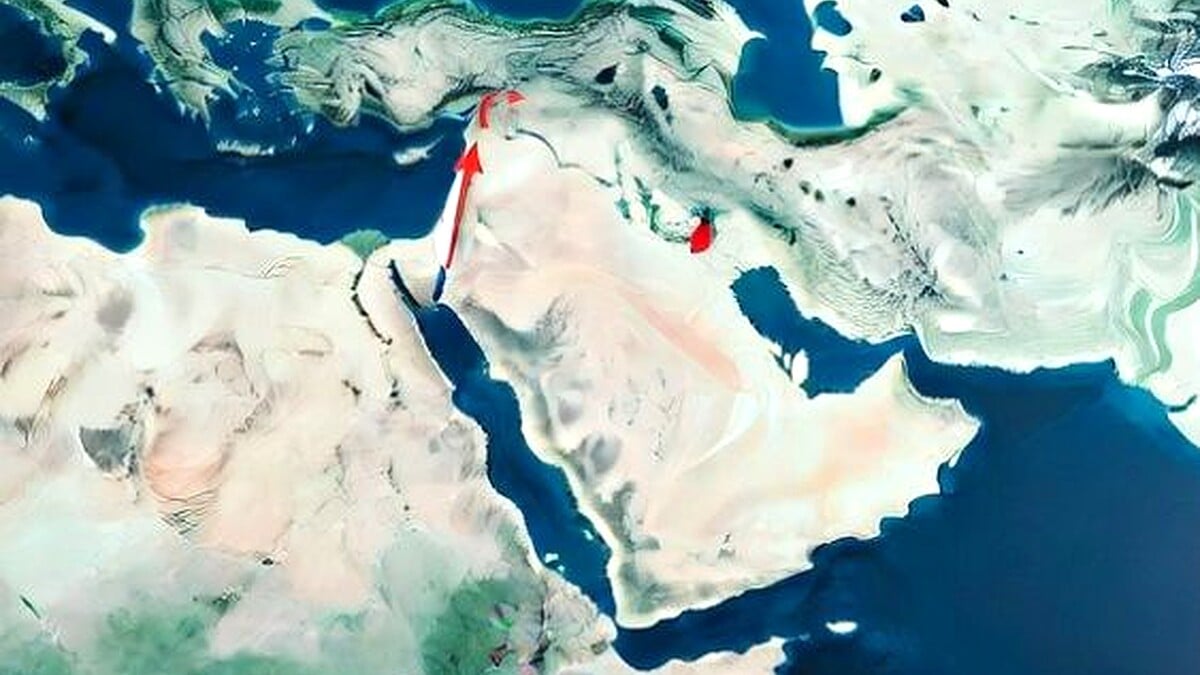




ISLAMABAD: Israeli officials have acknowledged that the ongoing war with Iran has substantially reduced the chances of further peace agreements and strategic alliances between Israel and Gulf nations.
Senior sources familiar with the matter told Ynet that the conflict outcome is less favourable for normalisation efforts across Arab and moderate Muslim states.
Security ties with the United Arab Emirates have grown stronger amid the hostilities yet broader diplomatic progress faces serious setbacks.
Bilateral trade between Israel and the UAE hit 3.24 billion dollars in 2024 marking an 11 percent rise from the prior year.
Defence exports to Abraham Accords partners surged to 12 percent of Israel total in 2024 up sharply from three percent in 2023.
The war has already cost Israel nearly 19.4 billion dollars with an additional 11 billion dollars projected by year end for operations and preparations.
Some Gulf countries now appear inclined to deepen relations with Iran and Turkey as the conflict reshapes regional dynamics.
Turkish diplomacy has intensified urging Gulf states to avoid escalation and positioning Ankara as a potential mediator in post war arrangements.
Iran maintains robust trade links with the UAE exceeding 20 billion dollars annually providing strong economic incentives for de-escalation.
Gulf states including Saudi Arabia Qatar and Oman welcomed recent ceasefire announcements emphasising the need for comprehensive regional stability.
Public opinion across the Arab world already strained by preceding conflicts shows declining support for further normalisation according to multiple polls.
The Abraham Accords signed in 2020 initially promised expanded cooperation driven by shared concerns over Iranian influence.
Five years later economic pacts such as the Israel UAE free trade agreement continue to deliver growth but geopolitical shocks have tested their limits.
Analysts observe that Iranian strikes early in the conflict targeted Gulf infrastructure heightening vulnerabilities and prompting coordinated air defence responses among GCC nations.
This pragmatic stance may accelerate economic engagement with Tehran while Turkey outreach encourages balanced postures among Gulf leaders.
Israeli officials privately concede the diplomatic costs could outweigh tactical military gains reducing near term prospects for Saudi Arabia joining normalisation.
Oil price fluctuations and concerns over Strait of Hormuz stability underscore the conflict ripple effects on global energy markets.
For Pakistan the developments highlight the importance of preserving strong Gulf partnerships which deliver billions in remittances and strategic cooperation.
Regional experts warn the war may foster a new Iran Turkey axis altering Middle East power balances and complicating future alliance building.
Negotiations for long term peace continue in various capitals with Pakistan noted for contributing to ceasefire frameworks alongside Turkey.
The assessment signals a critical juncture where military achievements clash with diplomatic realities reshaping Israel Gulf relations for years ahead.