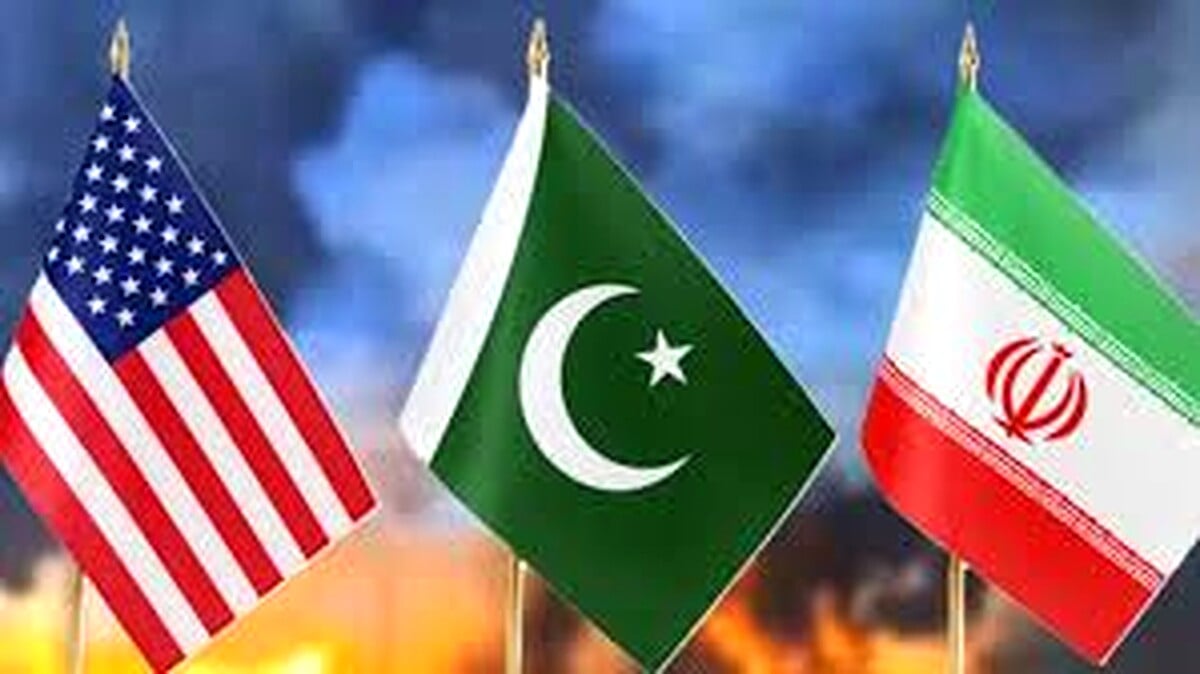




ISLAMABAD: Teams of experts from Iran and the United States exchanged written texts after an hours long in person discussion here on Saturday marking a major breakthrough in efforts to end the Middle East conflict.
The landmark meeting took place at the Serena Hotel in the Pakistani capital where both sides engaged in detailed negotiations during the ongoing two week ceasefire.
This development follows the US Israeli attacks on Iran that began on February 28 and rapidly spread across the region triggering unprecedented global economic turmoil.
The war caused over 8500 confirmed casualties including 3200 civilians according to regional health ministry tallies released last month.
Oil prices surged by 60 percent hitting a high of 160 dollars per barrel in March alone disrupting energy supplies to Europe and Asia.
Global stock markets recorded average losses of 20 percent with cumulative financial damage estimated at 4 trillion dollars by the International Monetary Fund provisional assessment.
Pakistan brokered the temporary ceasefire on April 8 after intensive shuttle diplomacy that prevented further escalation involving multiple regional actors.
The truce has now enabled direct expert level talks with delegations arriving in Islamabad earlier this week.
The Iranian government confirmed via an official post on X that the sessions operated at the expert level stage.
Economic military legal and nuclear committees participated fully in the hours long deliberations.
Negotiations continue at the Serena Hotel to finalise critical technical details essential for any lasting agreement.
The United States delegation is led by Vice President JD Vance who arrived with a high powered team.
He is accompanied by Jared Kushner son in law of President Donald Trump and seasoned Middle East envoy Steve Witkoff.
Written texts exchanged during the session focused on preliminary sanctions relief measures and mutual security guarantees.
Nuclear experts addressed Iran's uranium enrichment levels which reached 65 percent purity before the February conflict according to satellite monitoring data.
Military committees proposed demilitarisation zones along key borders to avert repeat missile exchanges that numbered over 200 in the initial phase.
Legal teams reviewed compliance with existing international treaties including remnants of the JCPOA framework.
Economic discussions explored potential reopening of trade corridors that could add 15 percent to regional GDP growth within two years if implemented.
Pakistan's mediation has been credited with saving an estimated 2 million people from further displacement caused by the initial fighting.
Foreign office sources described the atmosphere as constructive and free of major deadlocks so far.
Analysts warn that failure to reach agreement before the ceasefire expires could trigger renewed hostilities on a far larger scale.
The conflict had already sent shockwaves through global supply chains affecting everything from shipping routes to food prices worldwide.
Regional media reports highlight how the Islamabad venue was chosen for its neutral status and secure facilities.
Both sides have maintained strict media silence except for the official Iranian update on X.
The involvement of high profile US figures like JD Vance underscores the strategic importance Washington attaches to these talks.
Jared Kushner's presence signals continued high level White House interest in a comprehensive Middle East settlement.
Global leaders from Europe and Asia have issued urgent calls for progress urging both nations to seize this window of opportunity.
The two week ceasefire brokered by Pakistan remains the only barrier between fragile peace and potential wider war.
Economic committees are examining reconstruction funding packages worth up to 50 billion dollars for affected areas.
Such figures could stabilise energy markets and prevent further inflation spikes that hit developing nations hardest.
Military experts are also discussing verification mechanisms using third party observers to build trust.
The talks represent the first direct in person engagement since the February 28 attacks that altered the regional power balance.
Pakistan has positioned itself as a reliable facilitator drawing on its longstanding diplomatic ties with both Tehran and Washington.
Success here could reshape alliances and open new economic corridors across the Middle East.
Failure however carries the risk of nuclear escalation given the committees involved.
Observers note that every hour of progress at the Serena Hotel carries immense weight for global stability.
The exchange of written texts marks only the beginning of what officials describe as a complex multi phase process.
Yet the very fact of these negotiations proceeding signals hope amid one of the most volatile periods in recent history.