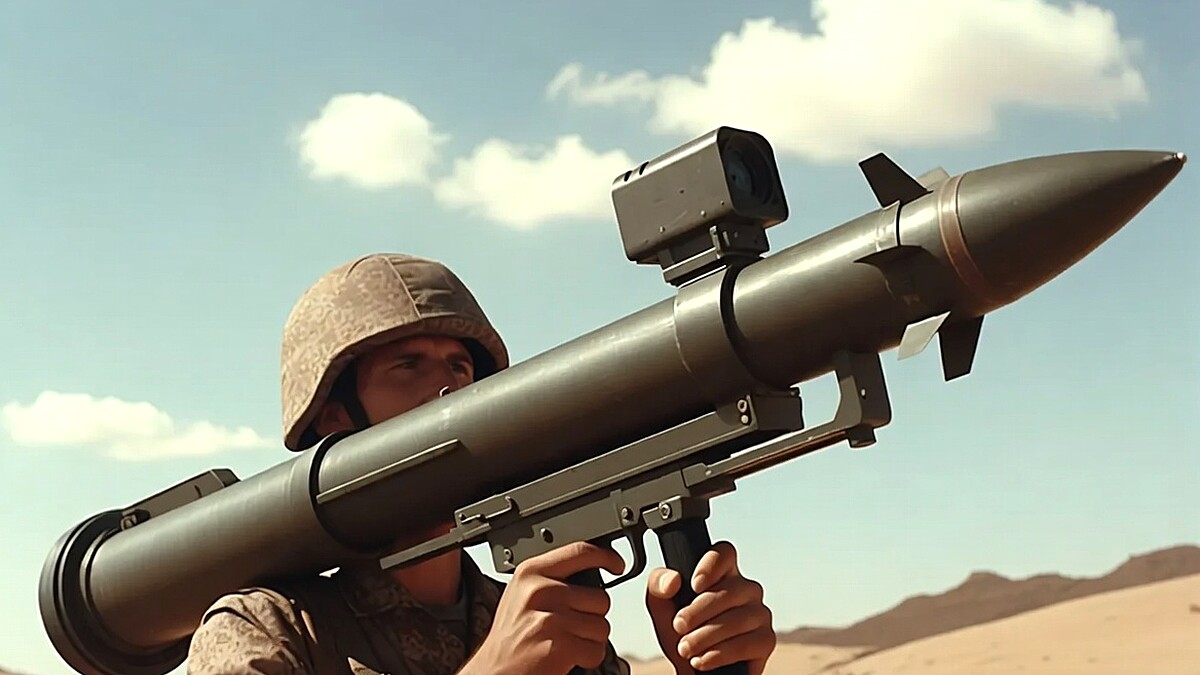




ISLAMABAD: US intelligence assessments indicate China is preparing to deliver shoulder-fired anti-air missile systems known as MANPADs to Iran in the coming weeks.
The revelation comes from CNN citing three people familiar with recent assessments as the fragile ceasefire between the United States and Iran holds tenuously following weeks of intense conflict.
According to the reports Beijing may route the shipments through third countries to mask their origin potentially escalating risks to low-flying US military aircraft.
MANPADs pose a significant asymmetric threat capable of targeting helicopters and low-altitude planes with ranges up to six kilometres and altitudes reaching 3800 metres.
The likely system involved is the Chinese FN-6 weighing 16 kilograms and equipped with advanced infrared and ultraviolet dual-band seekers for enhanced accuracy.
This development marks a potential shift in China’s support for Iran since the US-Israel joint campaign began in February disrupting regional stability.
China has long maintained a policy of restraint on direct arms transfers yet intelligence sources suggest active preparations are underway despite diplomatic efforts.
A spokesperson for the Chinese embassy in Washington issued a strong denial stating China has never provided weapons to any party to the conflict.
The information in question is untrue the spokesperson declared emphasising China’s role as a responsible major country that fulfills international obligations.
The embassy urged the US to avoid baseless allegations and malicious connections while calling on all parties to de-escalate tensions through constructive measures.
International media including Reuters Al-Monitor and The Straits Times have widely covered the CNN exclusive highlighting concerns over the ceasefire’s fragility.
Talks between the US and Iran are reportedly scheduled in Islamabad adding a Pakistani dimension to the diplomatic landscape amid these alarming claims.
US intelligence previously assessed that Iran retained roughly half its missile launchers and about 50 percent of its drone capabilities despite sustained strikes.
Thousands of one-way attack drones remain in Iranian arsenals hidden in extensive tunnel networks making resupply a critical factor in any renewed hostilities.
MANPADs would bolster Iran’s ground-based air defences enhancing protection against potential future aerial operations by US or allied forces.
China-Iran ties have deepened economically with Beijing emerging as a major buyer of Iranian oil and supplier of dual-use technologies over recent years.
Earlier reports suggested China provided billions in indirect support including components for missile production though direct weapon shipments were previously limited.
The timing of the alleged transfer during a two-week ceasefire raises questions about intentions to replenish Tehran’s depleted stockpiles ahead of possible negotiations.
Pakistan as host to potential US-Iran talks finds itself navigating complex regional dynamics involving major powers China the US and Iran.
Analysts note that such arms flows could complicate ceasefire enforcement and prolong instability in the Middle East with ripple effects on global energy markets.
Shoulder-fired systems like the FN-6 have proliferated in conflict zones offering guerrilla forces potent defensive capabilities against superior air power.
US officials have expressed heightened vigilance over Chinese military exports monitoring routes and intermediaries involved in potential deliveries.
The denial from Beijing aligns with its public stance of neutrality and calls for political settlements rather than military escalation in the Iran conflict.
Yet persistent intelligence reports underscore underlying suspicions about covert support networks involving Chinese firms and third-party actors.
Regional observers point to China’s strategic interests in securing energy supplies and countering US influence in West Asia as drivers behind closer Iran ties.
The fragile ceasefire brokered after five weeks of warfare remains vulnerable with both sides accusing each other of violations and positioning for leverage.
Delivery of advanced MANPADs could tilt the balance empowering Iranian forces and proxies while complicating US operational freedom in the airspace.
International obligations under arms control regimes prohibit transfers that destabilise regions yet enforcement remains challenging in opaque supply chains.
Pakistan continues to advocate for dialogue urging restraint from all stakeholders to prevent broader conflict spillover into South Asia.
As assessments circulate diplomatic channels buzz with efforts to verify claims and mitigate risks of renewed confrontation.
The episode highlights the intricate interplay of intelligence diplomacy and military posturing shaping current Middle East dynamics.
Further developments are anticipated as US monitoring intensifies and Chinese responses evolve in the coming days.