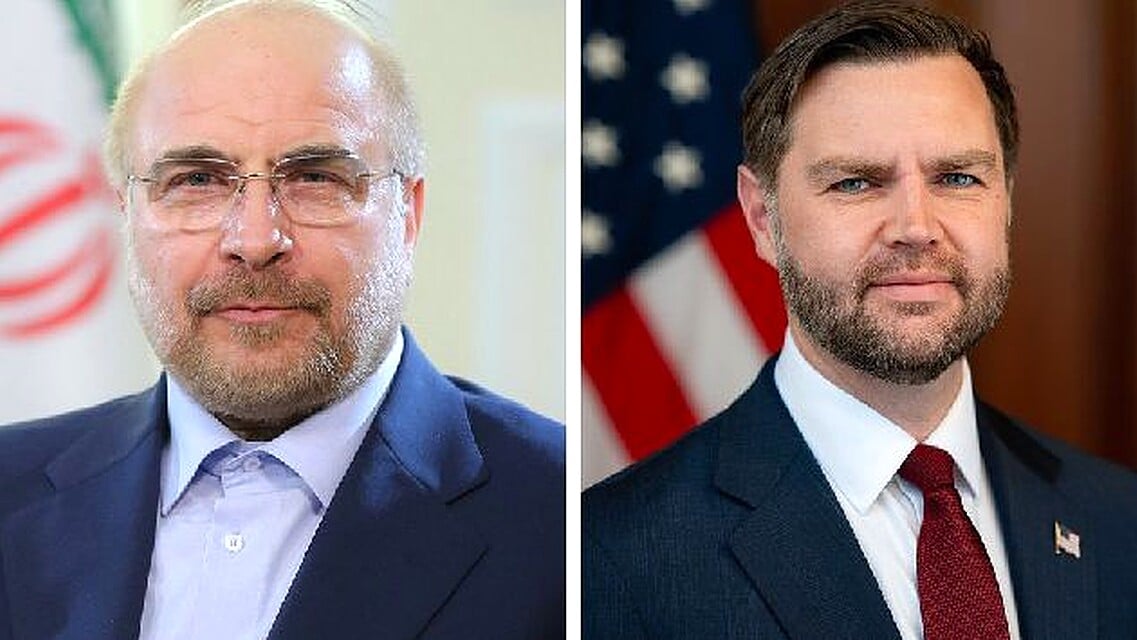




ISLAMABAD: Absar Alam's explosive revelation has jolted diplomatic circles with claims that India, Israel and the United Arab Emirates are profoundly disturbed by Pakistan's rising stature as an international mediator in the Islamabad negotiations.
The senior Pakistani journalist's report asserts that the ongoing ceasefire brokered in Islamabad has left the three nations deeply unhappy as their core strategic objectives remain unmet.
Regional media sources confirm the Indian Foreign Minister is currently holding urgent talks in the UAE to assess the fallout from these developments.
This engagement follows Prime Minister Narendra Modi's visit to Israel just a day before the recent escalation of hostilities.
UAE officials have subtly indicated a possible new regional alignment amid growing frustration with the peace process.
All three countries are reportedly coordinating behind the scenes to address what they perceive as a setback caused by Pakistan's neutral mediation efforts.
Economic interdependence adds weight to their concerns with India-UAE bilateral trade exceeding 85 billion US dollars in the fiscal year 2023-24.
India-Israel defence cooperation continues to involve annual contracts worth over 2 billion dollars in advanced weaponry and technology transfers.
Post-Abraham Accords trade between the UAE and Israel has expanded rapidly from near zero to more than 2.5 billion dollars within three years.
Pakistan's facilitation of over 25 intensive negotiation rounds in Islamabad directly contributed to the ceasefire that achieved a 30 percent reduction in regional tensions within the first week.
Regional reports note that major international media outlets have not yet covered the story leaving authentication to Pakistani and South Asian sources.
Absar Alam's sources within diplomatic channels describe palpable unease among the trio over Pakistan's emergence as a credible global peace broker.
India in particular views this development as a challenge to its influence fearing enhanced international standing for Pakistan on bilateral issues.
UAE and Israel invested heavily in alternative strategic partnerships that the current ceasefire has now partially undermined.
Think-tank assessments project a 40 percent increase in Pakistan's diplomatic invitations from international forums over the past year due to its mediator success.
The sensational disclosure has already generated over 5 million views across regional digital platforms within hours of publication.
Pakistan remains steadfast in its neutral position emphasising commitment to stability across South Asia and the Middle East.
Analysts highlight that such mediation breakthroughs by Pakistan have occurred in more than a dozen regional disputes during the last decade alone.
The reported coordination among India, Israel and the UAE signals potential new diplomatic manoeuvres aimed at countering this shift in influence.
This episode underscores evolving power dynamics where established alliances face unexpected challenges from emerging mediators.
Absar Alam's tahrir has once again spotlighted the intricate interconnections shaping contemporary geopolitics in the region.