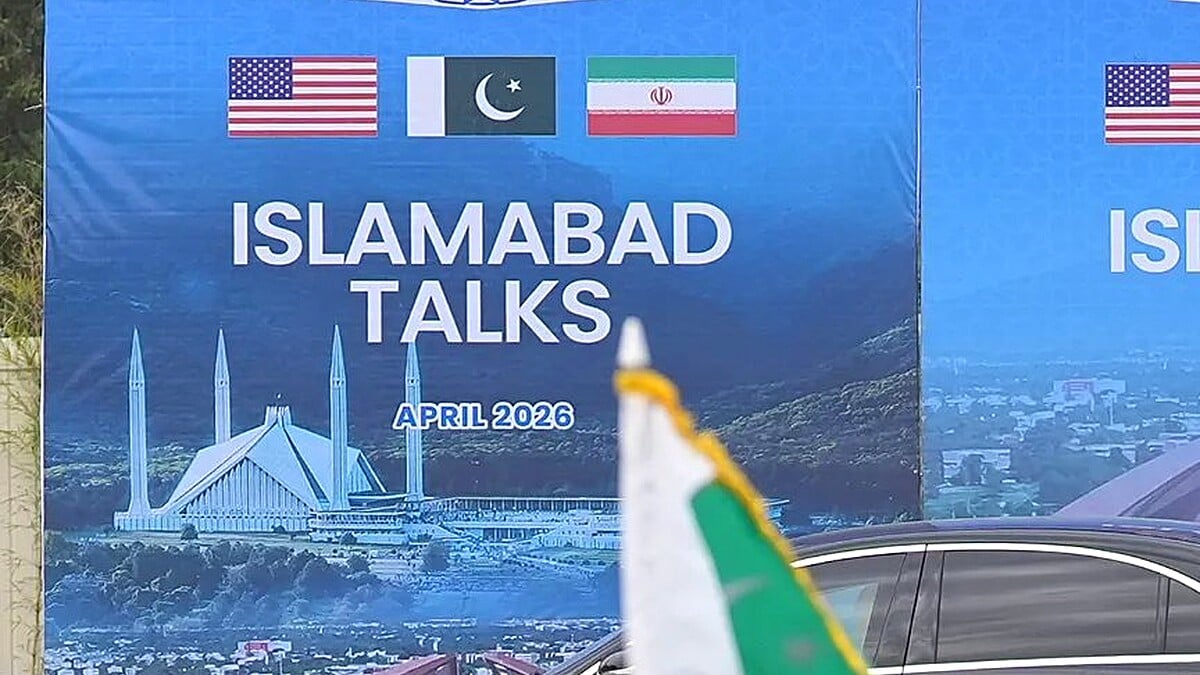




Excerpt: High-level technical sessions in Islamabad show initial advancements as expert committees engage face-to-face
Categories: Pakistan, Foreign Policy
ISLAMABAD: Fresh details emerging from the ongoing Iran-US negotiations in Islamabad indicate measurable progress in the first round of technical and expert-level discussions.
High-level technical committees from both sides have surpassed three hours of intensive face-to-face talks, with sources confirming cautious advancements on key agenda items.
According to regional reporting aligned with Tasnim’s updates, Iranian negotiators maintained strict adherence to established red lines while the US delegation displayed flexibility, reflecting Washington’s keen interest in ending the six-week conflict and securing a stable exit strategy.
The sessions, hosted in a secure venue in the Pakistani capital, involved expert teams addressing complex issues including ceasefire verification mechanisms, regional de-escalation particularly in Lebanon, and preliminary sanctions relief frameworks.
Pakistani officials familiar with the proceedings noted that the technical committees achieved incremental breakthroughs in the opening round, paving the way for potential extension of talks into Sunday if deeper differences require additional time.
International coverage from Al Jazeera, Arab News, Reuters, and CNN has highlighted the presence of US Vice President JD Vance leading the American side alongside special envoy Steve Witkoff and Jared Kushner.
On the Iranian front, Parliament Speaker Mohammad Bagher Ghalibaf and Foreign Minister Abbas Araghchi head a substantial delegation, reportedly numbering around 71 members including multiple technical support teams.
Direct or proximity-style expert engagements marked a shift from earlier indirect rounds held in Oman and Geneva, where limited progress on nuclear stockpiles had been recorded but failed to halt escalation.
The current Islamabad format has allowed for more substantive technical exchanges, with both sides acknowledging the fragility of the Pakistan-brokered two-week ceasefire now under strain from continued regional tensions.
Analysts tracking the talks point to the strategic importance of the Strait of Hormuz, through which nearly 20 percent of global oil trade passes, as a major driver for urgency in reaching understandings that could stabilize energy markets.
Iran has insisted on preconditions such as the release of frozen assets and firm commitments regarding actions in Lebanon before yielding on core demands.
Conversely, the US side’s demonstrated flexibility is linked to domestic political considerations and broader strategic goals of de-escalation after weeks of costly engagements.
Pakistan’s mediation role has been pivotal, with senior military and civilian figures including Army Chief involvement in facilitating the venue and maintaining neutral ground for the sensitive discussions.
Security in Islamabad remains tight, with roads restricted and access controlled around negotiation sites to ensure uninterrupted proceedings through the night.
If the talks extend into Sunday as anticipated, additional sessions could focus on verification protocols and long-term safeguards that might transform the temporary truce into a more durable agreement.
Observers suggest that any documented progress at the technical level could build momentum for higher political-level breakthroughs in the coming days.
The world continues to monitor developments closely as these negotiations carry the potential to reshape Middle Eastern security dynamics and ease global economic pressures stemming from the conflict.
As late-night sessions proceed, the reported initial advancements offer a glimmer of hope amid deep-seated historical mistrust between the two nations.