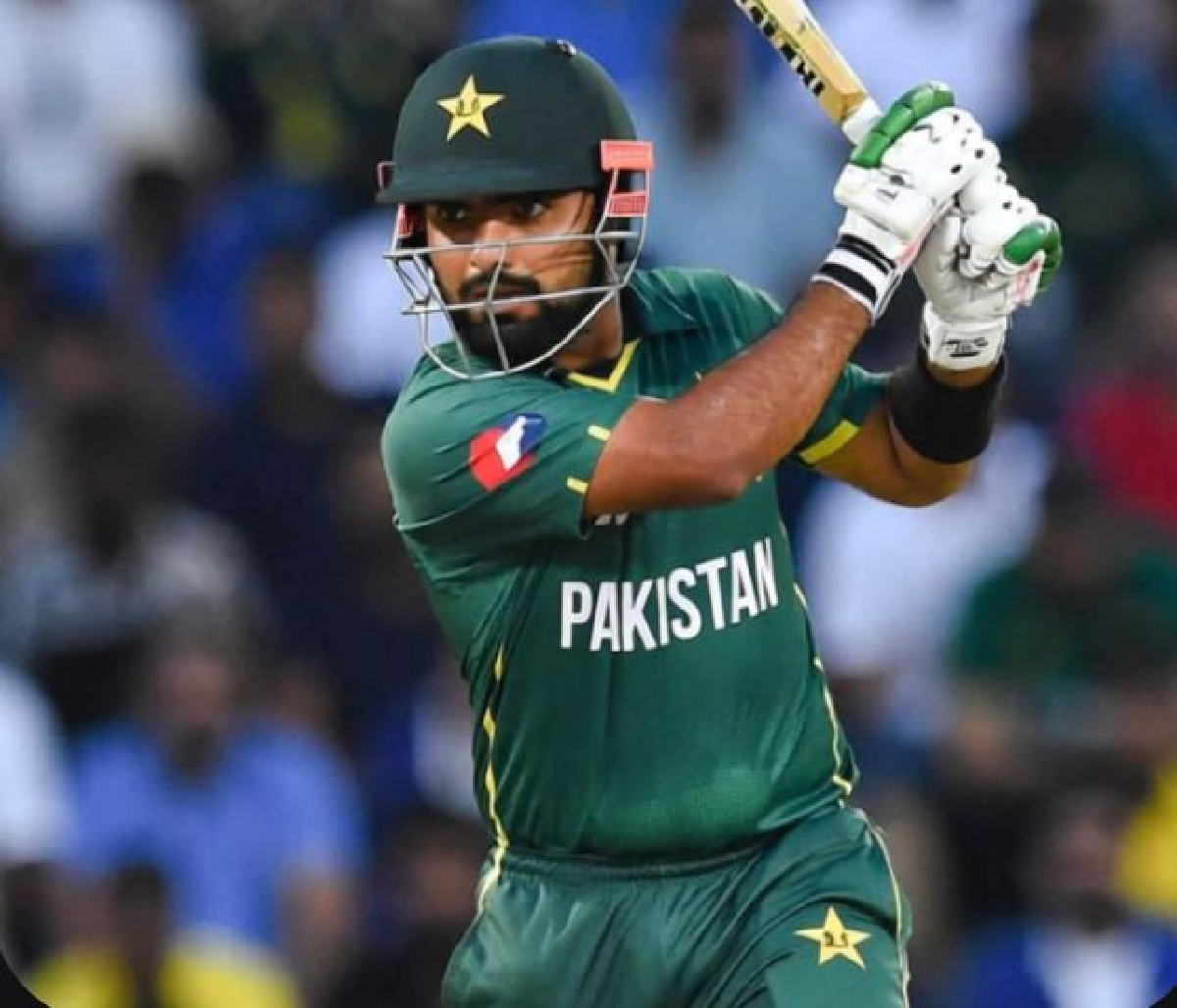
ISLAMABAD: Successful multilateral negotiations between the International
Cricket Council, the Pakistan Cricket Board, and the Bangladesh Cricket
Board have culminated in a significant resolution to a major cricketing
dispute. The government of Pakistan has granted clearance for the national
team to participate in the high-profile match against India on February 15,
2026, in Colombo, following assurances provided to Bangladesh. This
development ends a tense standoff that threatened to disrupt the
tournament’s integrity and commercial viability, as the India-Pakistan
fixture remains one of cricket’s most anticipated global events.
The origins of the conflict trace back to the abrupt removal of Bangladesh
fast bowler Mustafizur Rahman from the Kolkata Knight Riders squad for the
Indian Premier League 2026. The Board of Control for Cricket in India
instructed the franchise to release the player amid heightened bilateral
tensions between India and Bangladesh, linked to concerns over minority
safety and regional unrest. This decision sparked widespread outrage in
Bangladesh, prompting protests and a government ban on IPL broadcasts in
the country.
In response to Mustafizur Rahman’s exclusion, the Bangladesh Cricket Board
cited security concerns for its players and officials, formally requesting
the International Cricket Council to relocate all its T20 World Cup matches
from India to Sri Lanka. The ICC rejected this plea after conducting
independent security assessments, which found no credible threats, leading
to Bangladesh’s exclusion from the tournament and replacement by Scotland.
This outcome intensified diplomatic friction within the cricketing
fraternity.
Pakistan, demonstrating solidarity with Bangladesh, announced its intention
to boycott the India match, arguing that the ICC had applied double
standards by penalizing Bangladesh while overlooking broader implications
for regional participation. The Pakistan Cricket Board chairman, Mohsin
Naqvi, emphasized that the boycott aimed to secure respect and justice for
Bangladesh, framing the action as a principled stand against perceived
inequities in the governing body’s decisions.
Intensive discussions ensued, including a key meeting in Lahore attended by
ICC Deputy Chairman Imran Khawaja, PCB Chairman Mohsin Naqvi, and BCB
President Aminul Islam. These talks, described as constructive and
congenial, focused on addressing Bangladesh’s grievances without imposing
sanctions. The ICC ultimately agreed to forgo any financial, sporting, or
administrative penalties against the Bangladesh Cricket Board for its
withdrawal from the event.
As part of the negotiated settlement, the ICC committed to awarding
Bangladesh the hosting rights for an additional ICC tournament between 2028
and 2031, prior to the co-hosted Men’s ODI World Cup in 2031 with India.
This concession recognizes Bangladesh’s substantial cricket market, with
over 200 million passionate followers, and seeks to strengthen its
long-term role in global cricket governance.
Indian media reports suggested that negotiations also encompassed
discussions on Mustafizur Rahman’s future participation in the Pakistan
Super League, with indications of an agreement reached among parties,
though details remain undisclosed until after the World Cup concludes.
Meanwhile, Mustafizur Rahman has already secured a contract with Lahore
Qalandars in the PSL for a reported $230,000, signaling a swift pivot to
alternative franchise opportunities.
The Bangladesh Cricket Board expressed deep appreciation for Pakistan’s
supportive role, with President Aminul Islam formally requesting the PCB to
proceed with the India match for the benefit of the entire cricket
ecosystem. This appeal, combined with diplomatic interventions from
friendly nations including Sri Lanka, influenced the Pakistani government’s
final directive to field the team.
Pakistan’s reversal underscores the complex interplay of geopolitics,
player welfare, and commercial interests in modern cricket. The resolution
averts substantial revenue losses for the ICC, as India-Pakistan encounters
consistently generate massive viewership and sponsorship value. It also
reinforces multilateral cooperation among boards to safeguard the sport’s
global appeal.
The episode highlights ongoing challenges in balancing national sentiments
with international cricketing obligations. While the immediate crisis has
been defused, underlying regional tensions may continue to influence future
bilateral series and tournament participations.