Amid escalating tensions between Pakistan and Afghanistan, Afghan ForeignMinister Amir Khan Muttaqi has issued a strong statement directed atPakistan’s government and military establishment, criticizing theirhandling of internal and border-related issues while calling for mutualrespect and constructive engagement.
Muttaqi’s remarks come in the wake of rising cross-border hostilities andPakistan’s ongoing crackdown on undocumented Afghan migrants. The Afghanforeign minister accused Islamabad of misusing its military power andblaming Afghanistan for problems that, he argued, stem from within Pakistanitself.
“How regrettable it is that they call themselves a nuclear power and claimto have an advanced army, yet they use this power against migrants,travelers, traders — and even on tomatoes,” said Muttaqi.
While emphasizing respect for the people of Pakistan, its scholars, andpoliticians, Muttaqi drew a sharp distinction between Pakistan’s militaryleadership and its civilian population. He acknowledged that “within thePakistani government, there is a large segment whose views arewell-intentioned and aimed at reconciliation.”
Addressing accusations that militants of the Tehrik-i-Taliban Pakistan(TTP) operate from Afghan soil, Muttaqi questioned Pakistan’s narrative:
“Pakistan claims that TTP crosses from Afghanistan into Pakistan and thenreturns. So why doesn’t Pakistan stop them from entering Afghanistan fromPakistani soil?”
He further pointed out that Pakistan’s security challenges predate theTaliban government, citing two decades of bombings, militant attacks, andeven assassination attempts on former President Pervez Musharraf.
Muttaqi accused Pakistan of failing to control its internal instability andattempting to shift the blame to Afghanistan. He reminded Islamabad of thegoodwill extended by the Taliban government through trade routes andcooperative efforts, asserting that “when you cannot control your ownsituation, you should not point the finger of blame at Afghanistan.”
Read Top Stories
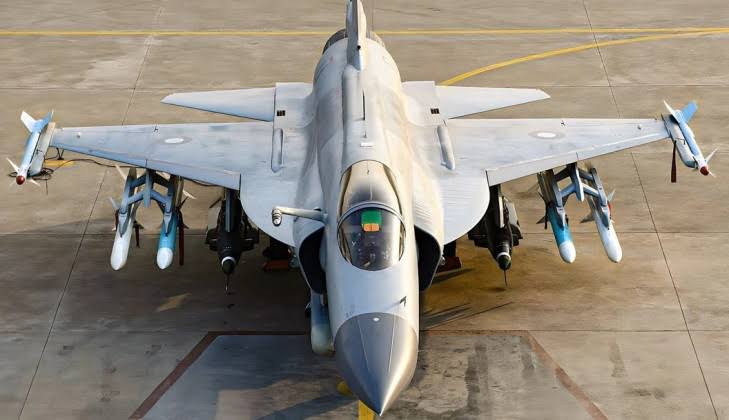
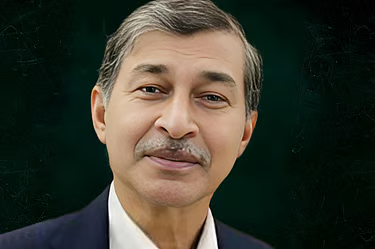
The Afghan foreign minister also criticized Pakistan’s security policies,referring to the Durand Line fencing and heavy military presence during theU.S. occupation:
“You fenced the so-called line with barbed wire, built posts, constructedroads, installed cameras and checkpoints — all the way to Islamabad. So whycan’t you stop TTP?”
Muttaqi accused Pakistan of allowing drone flights into Afghan airspace andof violating Afghan sovereignty multiple times in recent years. He rejectedclaims that the Taliban should ensure Pakistan’s internal security, stating:
“Pakistan’s demands are unreasonable. They say, ‘You must guaranteePakistan’s security.’ Are we responsible for Pakistan’s security?”
Concluding his statement, Muttaqi reaffirmed Kabul’s desire for “relationsbased on mutual respect and balanced policy” with Pakistan and all regionalneighbors, despite the recent deterioration in ties.
The remarks reflect the deepening diplomatic rift between Islamabad andKabul — a divide driven by border tensions, migrant deportations, andaccusations of cross-border militancy, now further intensified by openexchanges between top officials.