



UAE demands decisive international steps as Iran’s blockade traps 20,000 sailors and threatens global energy supplies.
ISLAMABAD: The United Arab Emirates has expressed profound disappointment at the United Nations Security Council’s failure to take effective action against Iran’s closure of the Strait of Hormuz and its repeated attacks on commercial shipping.
The UAE Ministry of Foreign Affairs issued a strong statement thanking Bahrain for presenting a draft resolution on behalf of Gulf Cooperation Council states including Kuwait, Qatar, Saudi Arabia and Jordan. The proposal aimed to safeguard freedom of navigation in the critical waterway.
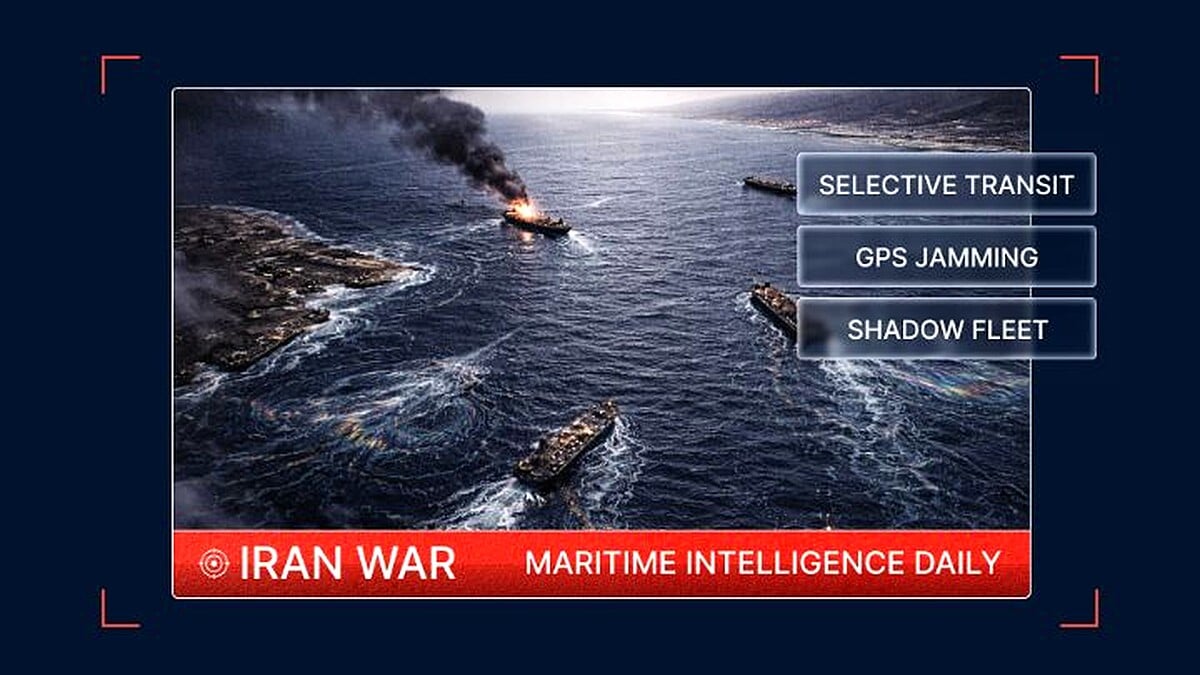
Since February 28, 2026, Iran has carried out at least 21 direct attacks on commercial vessels in and around the Strait of Hormuz. These assaults have resulted in more than 10 crew members killed, according to data from the International Maritime Organization and regional reports.
Nearly 20,000 seafarers remain stranded on hundreds of ships, unable to transit safely out of the Persian Gulf due to ongoing Iranian threats, mines and missile risks. This marks the largest such entrapment of civilian mariners in a conflict zone since World War II.
The Strait of Hormuz handles approximately one-fifth of global oil and liquefied natural gas shipments. Its effective closure has triggered sharp spikes in energy prices worldwide, disrupted supply chains for food and essential goods, and raised fears of a broader economic downturn.
UAE diplomats highlighted that no single country should hold the world’s commerce hostage. They warned that unchecked Iranian actions amount to economic terrorism, directly affecting fuel costs for billions of people.
Regional media and official statements from Abu Dhabi on March 9, 2026, first detailed the UAE’s frustration. The ministry noted strong support for Bahrain’s initiative, which emphasised defensive cooperation and unimpeded maritime traffic.
The draft resolution received 11 votes in favour at the Security Council but was blocked by vetoes from permanent members Russia and China. Two countries abstained. This outcome drew sharp criticism from Gulf states for failing to provide a clear framework for international coordination.
The UAE also voiced visible dissatisfaction with certain terms in recent ceasefire announcements between Iran and the United States. Officials sought further clarifications to guarantee Iran’s full commitment to unconditional reopening of the strait and cessation of all hostilities.
Analysts point to the broader context of the US-Israel-Iran conflict that escalated in late February. Iranian forces responded with drone, missile and direct attacks on vessels, while restricting passage to ships deemed linked to adversaries.
International bodies including the IMO have condemned the attacks and called for safe passage frameworks. A joint statement from over 20 nations, including the UAE, UK, France, Germany and Japan, demanded Iran immediately halt threats and comply with UN Security Council Resolution 2817 adopted in March.
Despite the fragile ceasefire, reports indicate continued uncertainty. Maritime traffic remains severely curtailed, with insurance premiums for Gulf routes skyrocketing and shipping companies diverting vessels around Africa at massive extra cost.
Stranded sailors have described daily anxiety, with rockets flying overhead and limited supplies on board. Crews from Asia and other regions face prolonged separation from families amid dwindling provisions.
The UAE stressed that any lasting settlement must address not only navigation but also Iran’s nuclear programme, ballistic missiles, drones and proxy activities. Failure to do so risks a more volatile Middle East.
Gulf states continue diplomatic efforts beyond the UN, exploring coalitions for defensive escorts of merchant vessels. The UAE has signalled readiness to support coordinated actions to restore safe transit.
Global markets remain on edge. Oil prices have fluctuated wildly since the blockade began, while food import-dependent nations in Asia and Africa brace for secondary shocks from higher shipping costs.
The crisis underscores the strategic vulnerability of chokepoints like Hormuz. Experts estimate that prolonged disruption could shave significant points off global GDP growth this year.
UAE officials reiterated resolve to work with international partners to reopen the strait. They insisted that freedom of navigation remains a cornerstone of international law that must be defended collectively.
As tensions linger despite ceasefire declarations, the world watches whether diplomatic pressure or stronger measures will finally secure the vital sea lane.