



ISLAMABAD: Pakistan has once again demonstrated its decisive diplomatic influence by averting a dangerous escalation in the Middle East.
Last night the United Arab Emirates launched an attack on Iran as clear proof of its alliance with Israel.
Iran stood fully prepared with a ready response to the strike.
At Pakistan's direct request Iran chose not to retaliate and instead proved itself a responsible regional power.
This restraint prevented the immediate collapse of the fragile two-week US-Iran ceasefire brokered by Pakistan.
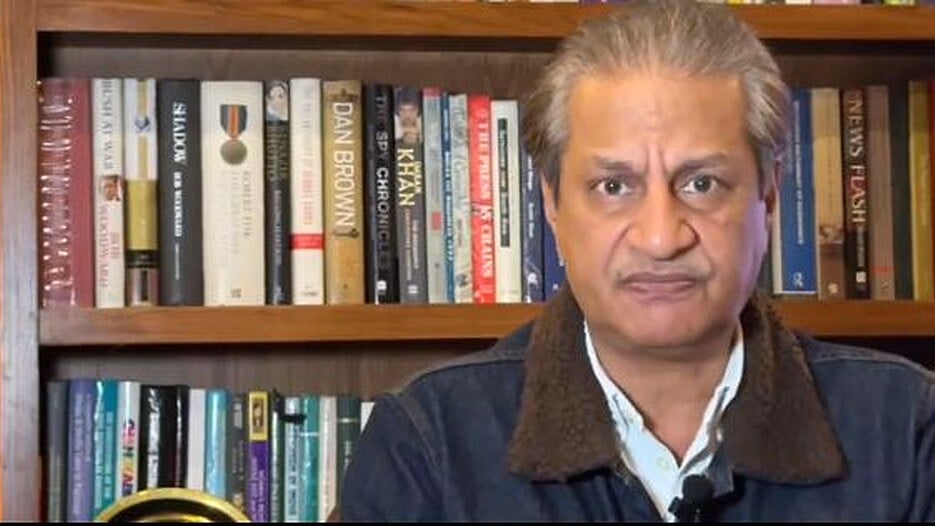
Senior journalist Absar Alam described the UAE action as playing an unmistakable spoiler role in the peace process.
He stated that the move risked sabotaging broader regional stability tied to the Israel-UAE accords.
Iran had already fired 438 ballistic missiles over 2012 drones and 19 cruise missiles at UAE targets since February 28 according to UAE defence data.
UAE air defences intercepted most threats yet debris caused at least 13 deaths and more than 190 injuries across the emirates.
On April 8 alone UAE systems engaged 17 ballistic missiles and 35 drones launched from Iran.
Pakistan's intervention came as US planes landed in Islamabad and Iranian officials arrived for urgent talks.
Prime Minister Shehbaz Sharif and Army Chief General Asim Munir personally led the back-channel efforts that secured the ceasefire.
The truce requires Iran to keep the Strait of Hormuz open a route carrying one-fifth of global oil supply.
UAE had demanded immediate repayment of a two-billion-dollar deposit from Pakistan amid the war yet Islamabad placed peace above financial pressure.
Absar Alam noted that without Pakistan's timely request the ceasefire would almost certainly have ended last night.
Regional media reports from Pakistan highlight the UAE strike as a calculated escalation not widely detailed in international coverage.
Iran's decision reflects deep trust in Pakistani mediation built over years of bilateral relations.
Global oil prices swung sharply on fears of renewed conflict before news of Iran's restraint emerged.
Pakistan's role has drawn quiet praise from China Russia and even some Gulf observers.
Further negotiations continue in Islamabad to extend the truce beyond its initial two weeks.
Analysts say the episode underscores Pakistan's unique position to engage all parties simultaneously.
The human cost of the wider war remains high with civilian infrastructure damaged on both sides.
Absar Alam's analysis adds critical context to understanding how fragile alliances shape outcomes in real time.
Pakistan continues to push for de-escalation ensuring no single spoiler derails hard-won diplomatic gains.
This latest success reinforces Islamabad's image as a reliable peacemaker in one of the world's most volatile regions.