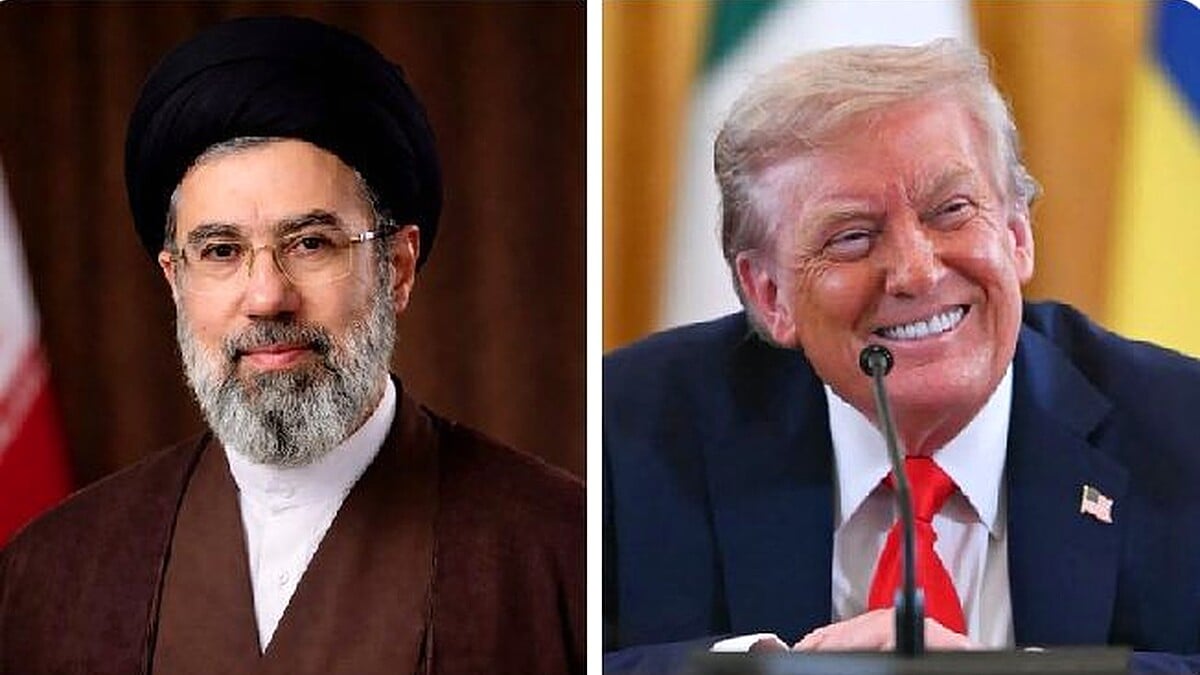




Iran demands asset release tied to Hormuz reopening in fragile two-week ceasefire truce.
ISLAMABAD: Iran has delivered a blunt two-week ultimatum to the United States demanding the immediate unfreezing of its frozen assets or risk the collapse of the newly agreed ceasefire.
Tehran has explicitly conditioned any extension of the truce on the full release of billions in blocked funds.
The demand forms part of a broader 10-point Iranian plan presented during high-stakes talks in Oman.
International coverage confirms the ceasefire halts US and Israeli strikes for 14 days in exchange for safe passage through the Strait of Hormuz.
Iranian officials insist the asset unfreezing serves as proof of American goodwill after years of sanctions.
Global estimates place Iran’s total frozen assets at between 100 billion and 120 billion dollars across international accounts.
Past deals saw partial releases such as six billion dollars from South Korean banks in prisoner swaps.
Yet Tehran now seeks comprehensive access to all blocked reserves to stabilise its economy battered by sanctions.
The Strait of Hormuz carries nearly 30 percent of global seaborne oil trade or roughly 21 million barrels daily.
Recent closure during the conflict triggered an immediate surge in world oil prices exceeding 15 percent in days.
Major shipping firms report virtual standstill in tanker traffic despite the ceasefire announcement.
Iran has stated safe passage requires prior coordination with its Revolutionary Guard naval forces.
Failure to meet the two-week deadline could reignite hostilities and choke global energy supplies once more.
Pakistan’s energy imports rely heavily on Gulf routes with over 80 percent of crude oil sourced from the region.
Any renewed disruption threatens Islamabad’s fuel security and inflates domestic prices further.
Local analysts note the ceasefire remains shaky as Iran accuses the US of delaying asset transfers.
US President Donald Trump had issued stern warnings of infrastructure strikes unless the strait reopened immediately.
The truce emerged hours before Trump’s self-imposed deadline avoiding what he called civilisational damage.
Iranian state media describe the asset demand as non-negotiable for lasting peace.
Experts highlight that reopening Hormuz without toll conditions remains a sticking point in negotiations.
Global economic losses from the brief closure already exceeded several billion dollars daily according to shipping data.
Tehran’s leverage stems from its control over the narrow chokepoint between the Persian Gulf and Arabian Sea.
Regional reports from Pakistan and Gulf capitals emphasise the high stakes for energy markets.
Further diplomatic rounds are scheduled with mediators pushing for sanctions relief alongside asset release.
The outcome could reshape nuclear talks and determine long-term stability in the Middle East.
Iran maintains its right to monitor all vessels while guaranteeing safe transit during the truce window.
World leaders watch closely as oil-dependent economies brace for volatility if the deadline passes unmet.
The bold Iranian stance underscores a shift in power dynamics following weeks of intense conflict.
Pakistan remains engaged through diplomatic channels to safeguard regional trade corridors vital for its economy.
Analysts predict that successful asset unfreezing could pave the way for broader de-escalation including sanctions review.
Yet sceptics warn repeated delays have eroded trust between the parties.
The two-week window now stands as the critical test for the fragile peace agreement.