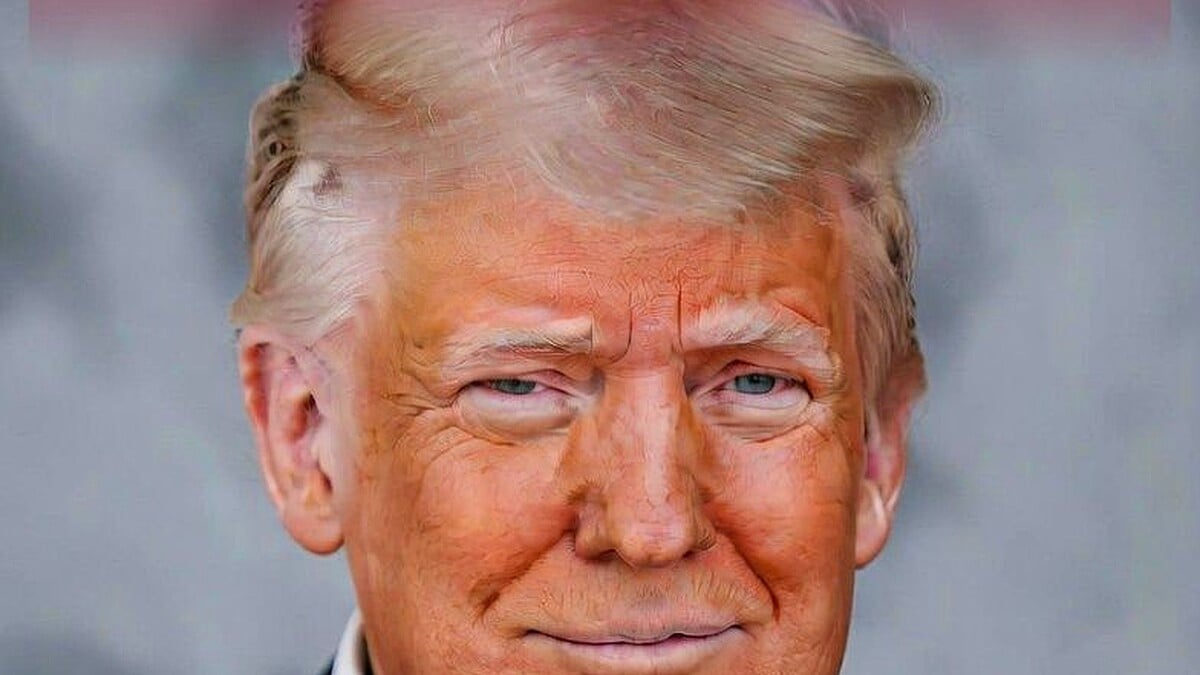
ISLAMABAD: US President Donald Trump has refrained from directly commenting on the appointment of Mojtaba Khamenei as Iran’s new supreme leader, opting instead for a cautious response amid escalating regional tensions.
In an interview with an Israeli newspaper, Trump stated that developments would be observed closely and that any decision to end the ongoing war with Iran would be made in agreement with Israeli Prime Minister Benjamin Netanyahu. He indicated that discussions with Netanyahu had already taken place and that an appropriate decision would follow at the right time.
This measured approach comes as Iran faces one of its most severe crises in the 47-year history of the Islamic Republic, following the assassination of Ayatollah Ali Khamenei in joint US-Israeli strikes that initiated the current conflict.
Iranian state media reported that the Assembly of Experts, the 88-member clerical body responsible for selecting the supreme leader, named Mojtaba Khamenei as successor on March 8, 2026, just over a week after his father’s death on February 28.
The assembly issued a statement urging national unity and loyalty to the new leader during these critical times, describing the selection as decisive.
Mojtaba Khamenei, aged 56, has never contested an election or held a formal public office through popular vote. Despite this, he has long been regarded as a highly influential figure within Iran’s power circles.
Reports highlight his close ties to the Islamic Revolutionary Guard Corps (IRGC), the powerful military and security apparatus that plays a central role in Iran’s domestic and foreign policies.
He is believed to have operated behind the scenes for decades, managing access to his father’s office and influencing political and security matters.
His ascension is seen by analysts as a signal of continuity in hard-line theocratic rule, even as the country grapples with widespread airstrikes, retaliatory missile launches, and economic pressures from soaring oil prices exceeding $100 a barrel.
The appointment appears to defy earlier warnings from Washington. Prior statements from Trump had described Mojtaba Khamenei as an unacceptable choice, suggesting that any new leader must align with US interests or face short tenure.
Trump had emphasized the need for US involvement in selecting Iran’s leadership, drawing parallels to other international interventions.
US Senator Lindsey Graham issued a stern warning to the new supreme leader, stating that his fate could mirror that of his father.
Graham, a vocal supporter of strong action against Iran, described the appointment as contrary to the change sought by the US and its allies.
He has advocated for regime change while cautioning against targeting Iran’s oil infrastructure excessively, arguing it should be preserved for potential post-regime reconstruction.
The broader context involves a rapidly expanding war, with Iranian forces launching missiles and drones toward Israel and Gulf states, prompting further Israeli strikes on Tehran and other targets.
Iran’s military and political figures have pledged allegiance to Mojtaba Khamenei, reinforcing the regime’s resolve amid external pressure.
In a related development highlighting regional instability, Qatari authorities arrested hundreds of individuals on charges of spreading fake news and misleading information on social media during the ongoing attacks.
The interior ministry stated that more than 300 people were detained for filming, circulating videos, and publishing rumors that could incite public unrest.
This crackdown reflects heightened sensitivities across Gulf states as the conflict disrupts stability and information flows.
Mojtaba Khamenei’s rise is likely to intensify debates over Iran’s future direction. Observers note his reputation as more hardline than his father in certain aspects, potentially complicating any de-escalation efforts.
The international community watches closely as oil markets react nervously and diplomatic channels remain strained.
Iran’s leadership has framed the succession as a demonstration of resilience, calling for unity against what it describes as aggression aimed at dismantling the Islamic Republic.
Whether this appointment leads to prolonged confrontation or opens unexpected pathways remains uncertain in the fluid regional landscape.