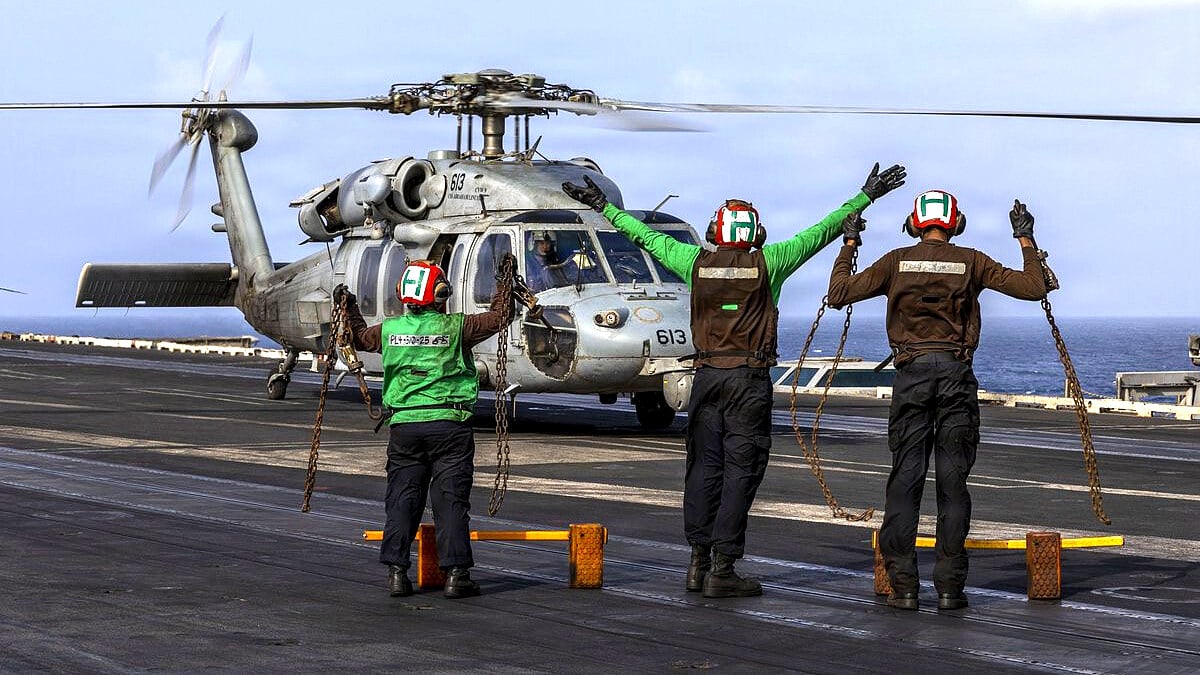




ISLAMABAD: According to NDTV, an Indian news source whose claims have not been independently verified by international sources, the United States is reportedly considering a significant and lasting reduction of its military presence in the Middle East.
According to CNN, multiple sources indicate that the U.S. is reevaluating its strategic footprint in the region.
This potential change could reshape the geopolitical landscape and influence American allies and adversaries.
The report suggests that intelligence operations might also see a reduction alongside military assets.
Rising tensions and shifting priorities are fueling this reconsideration of traditional commitments.
The Middle East has long been a central focus of U.S. military strategy, primarily due to its geopolitical significance.
However, according to CNN, the U.S. now faces changing threats that require adaptation.
The pivot towards countering perceived challenges in Asia has been cited as a key factor.
This shift might lead to reallocating resources towards emerging threats.
Regional allies could face increased security responsibilities if U.S. forces are withdrawn.
Concerns over Iran’s influence and the stability of Middle Eastern nations remain pressing.
Analysts warn that a reduced American presence might embolden regional adversaries.
On the other hand, some argue it might encourage regional powers to assume greater roles.
The impact of potential U.S. withdrawal on ongoing conflicts is yet to be determined.
Both Iraq and Syria have seen long-standing U.S. involvement as part of counterterrorism efforts.
The expected changes could influence negotiations and power dynamics in these areas.
While the Pentagon has not officially commented, the implications are being closely monitored.
Congressional feedback and public opinion will play vital roles in deciding U.S. policy.
This development comes as the U.S. recalibrates its global military commitments.
Strategic adaptations reflect a broader, shifting approach to military planning.
Despite the potential drawdown, the U.S. maintains significant stakes in Middle East stability.
This move represents an evolving strategy compatible with new global priorities.
The final decision will have far-reaching implications for international military engagement.
As this story develops, observers will watch its impact on global and regional security.
This is a developing story, and further updates are expected.