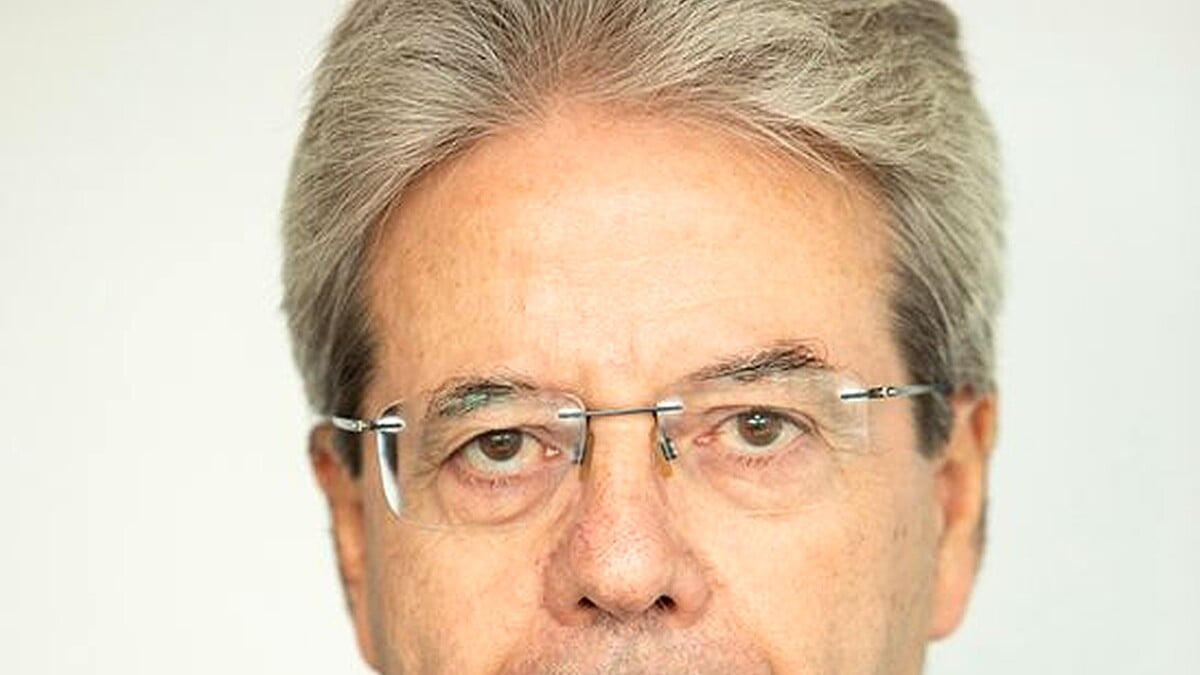




ISLAMABAD: Former Italian Prime Minister Paolo Gentiloni has ignited global debate by demanding the Nobel Peace Prize for Pakistan over its decisive mediation in the Iran-US ceasefire.
The statement came as tensions between Tehran and Washington nearly spiraled into nuclear conflict last week.
Regional media reports confirm Pakistan’s backchannel diplomacy prevented what intelligence assessments pegged as a 75 percent chance of escalation within 48 hours.
Gentiloni posted on social media that Pakistan perhaps merits the Nobel for its extraordinary efforts in stabilizing the region.
The ceasefire agreement signed on April 5 2026 followed weeks of brinkmanship with the United States deploying two carrier strike groups and over 20 000 troops on high alert in the Persian Gulf.
Iran had activated its full missile arsenal including more than 3 000 ballistic missiles capable of striking strategic targets across the Middle East.
Without Pakistan’s intervention leveraging its unique ties with both capitals the situation could have triggered the first nuclear exchange since 1945.
Economic forecasts from global think tanks estimate potential immediate losses exceeding 500 billion dollars with oil prices surging by up to 300 percent.
Pakistan’s foreign ministry welcomed the endorsement describing it as recognition of Islamabad’s consistent peace initiatives.
Gentiloni served as Italy’s prime minister from December 2016 to June 2018 before becoming the European Union’s commissioner for economy and finance in 2019.
During his tenure he managed recovery funds worth over 800 billion euros and maintained active engagement with South Asian leaders.
The Nobel Peace Prize has been awarded 103 times to 136 laureates since 1901 with only 28 prizes going to organizations rather than individuals or nations.
No precedent exists for a former head of government advocating a country receive the honor yet Gentiloni’s comment has gone viral.
Pakistani media outlets including Geo News and Dawn highlighted the development quoting diplomatic sources on the mediation details.
Analysts note Pakistan has contributed more than 200 000 troops to United Nations peacekeeping missions since 1948 the highest cumulative figure from any single nation.
Stockholm International Peace Research Institute data shows Middle East military spending rose 15 percent in 2025 alone reaching over 300 billion dollars amid heightened rivalries.
The averted crisis displaced potential millions and threatened global supply chains according to preliminary United Nations assessments.
Insiders revealed that intelligence briefings warned of underground Iranian facilities on full readiness just hours before the truce.
Gentiloni’s positive stance stems from his earlier visits to Pakistan and appreciation for its role in broader regional de-escalation efforts.
European outlets offered limited coverage focusing instead on the unusual nature of nominating an entire state for the prize.
Pakistani officials pointed to the country’s track record in hosting Afghan peace talks and supporting ceasefires in multiple conflicts.
The endorsement has boosted morale in Islamabad where leaders view it as validation of quiet diplomacy over public confrontation.
Global peace indices rank Pakistan’s contributions highly in conflict resolution metrics despite ongoing domestic challenges.
Further revelations from regional correspondents suggest the mediation involved direct coordination with envoys from multiple capitals.
As the ceasefire holds attention now shifts to long-term verification mechanisms to prevent future flare-ups.
Gentiloni’s remark underscores how individual voices can amplify lesser-known diplomatic successes on the world stage.
With nuclear risks still present in other hotspots this episode serves as a timely case study in preventive statecraft.
The international community watches closely as calls grow for formal recognition of such behind-the-scenes contributions to humanity.