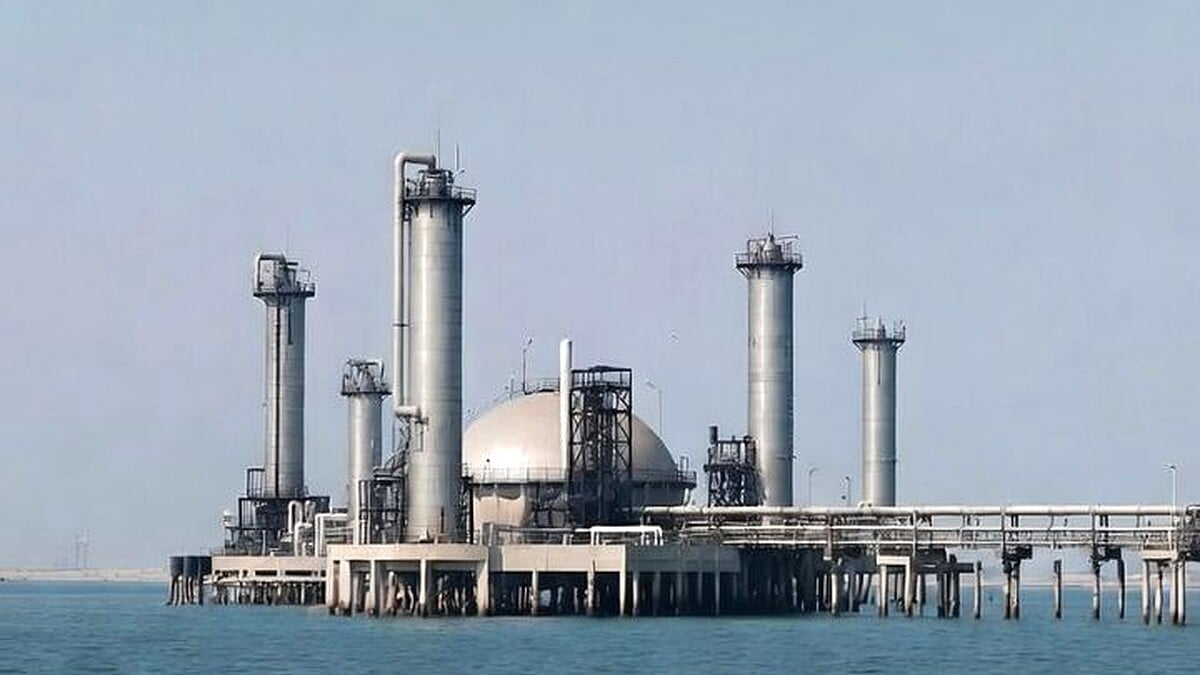
ISLAMABAD: Several Israeli media outlets reported on Sunday that the United Arab Emirates carried out a strike on an Iranian freshwater desalination facility, marking what would have been Abu Dhabi’s first direct military action against Iran amid the escalating regional conflict. UAE officials swiftly denied the claims, labelling them as fake news and emphasising that the country would publicly announce any such operation if it had occurred.
The reports originated from Israeli sources, including Channel 15 and public broadcaster KAN, which cited unnamed Israeli officials. These outlets suggested the attack targeted a key water infrastructure site in Iran, potentially as a retaliatory or symbolic measure following Iran’s barrage of missiles and drones on Gulf states. Some assessments from Israeli officials described the alleged strike as a warning signal to Tehran, indicating possible further involvement by the UAE if Iranian attacks intensify.
A senior UAE official, Ali Rashid Al Nuaimi, chairman of the Defense Affairs, Interior and Foreign Affairs Committee at the Federal National Council, rejected the allegations outright. In a post on social media platform X, he stated that the reports constituted fake news and affirmed that the UAE possesses the courage to declare any military actions it undertakes. He further emphasised that Abu Dhabi would never place the Iranian people in the same category as the regime’s actions over the past week.
The denial came amid a broader context of heightened tensions in the Persian Gulf, where the ongoing war—initiated by US and Israeli strikes on Iran since late February—has seen retaliatory actions expand to civilian infrastructure. Iran’s Foreign Minister Abbas Araghchi had accused the United States on Saturday of striking a freshwater desalination plant on Qeshm Island, disrupting water supplies to around 30 villages. He described the incident as a blatant crime and warned that Washington had set a dangerous precedent.
Desalination facilities remain critical across the region, where arid climates render them essential for potable water. The Middle East hosts nearly half of global desalination capacity, with Gulf nations heavily reliant on these plants. For instance, such infrastructure supplies a significant portion of drinking water in countries like the UAE, Saudi Arabia, and others facing similar vulnerabilities.
On the same day as the UAE denial, Bahrain reported that an Iranian drone attack caused material damage to one of its desalination plants. The Bahraini Ministry of Interior described the strike as indiscriminate targeting of civilian sites, though authorities assured that water supplies remained unaffected. This marked the first confirmed instance of Iran hitting a Gulf desalination facility during the nine-day conflict.
The incident in Bahrain followed reports of Iranian projectiles affecting other civilian and economic targets in the UAE, Kuwait, and beyond. Debris from interceptions and nearby strikes had previously caused limited damage to facilities like Dubai’s Jebel Ali complex and the Fujairah F1 power and water plant. Analysts have expressed growing concern that escalation could threaten water security, potentially leading to severe humanitarian consequences in water-scarce desert nations.
The alleged UAE involvement, if true, would represent a notable shift, as Abu Dhabi has historically maintained a cautious stance despite normalising ties with Israel under the Abraham Accords. However, the swift and categorical denial from Emirati quarters underscores efforts to avoid direct entanglement while managing domestic and regional pressures.
Observers note that misinformation and unverified claims have proliferated amid the fog of war, with anonymous sourcing from Israeli channels prompting questions about strategic leaks or psychological operations. A source close to UAE leadership expressed frustration over such briefings from Jerusalem, arguing they complicate independent decision-making and regional coordination.
As the conflict enters its second week, attacks on energy, ports, and now water infrastructure highlight the broadening scope beyond military sites. Iranian responses have included vows to target American interests more aggressively, while US and Israeli operations continue to focus on destabilising Tehran’s capabilities.
The episode surrounding the desalination facility reports illustrates the delicate balance Gulf states navigate—balancing security alliances against the risks of wider involvement. With water infrastructure now in the crosshairs, the potential for cascading effects on civilian life looms large, raising alarms about the war’s trajectory toward broader humanitarian crises.