ISLAMABAD: Iran and Turkey have reached a significant understanding for the deployment of Iraqi forces in Iraq’s Kurdistan Region and along relevant border areas with Iran to prevent any possible ground operation by the United States and Israel into Iranian territory.
The agreement between the foreign ministers of the two countries comes at a critical juncture in the ongoing conflict that erupted with joint US-Israeli airstrikes on Iran. Reports indicate that discussions focused on strengthening border security and countering perceived threats from external powers seeking to exploit ethnic divisions.
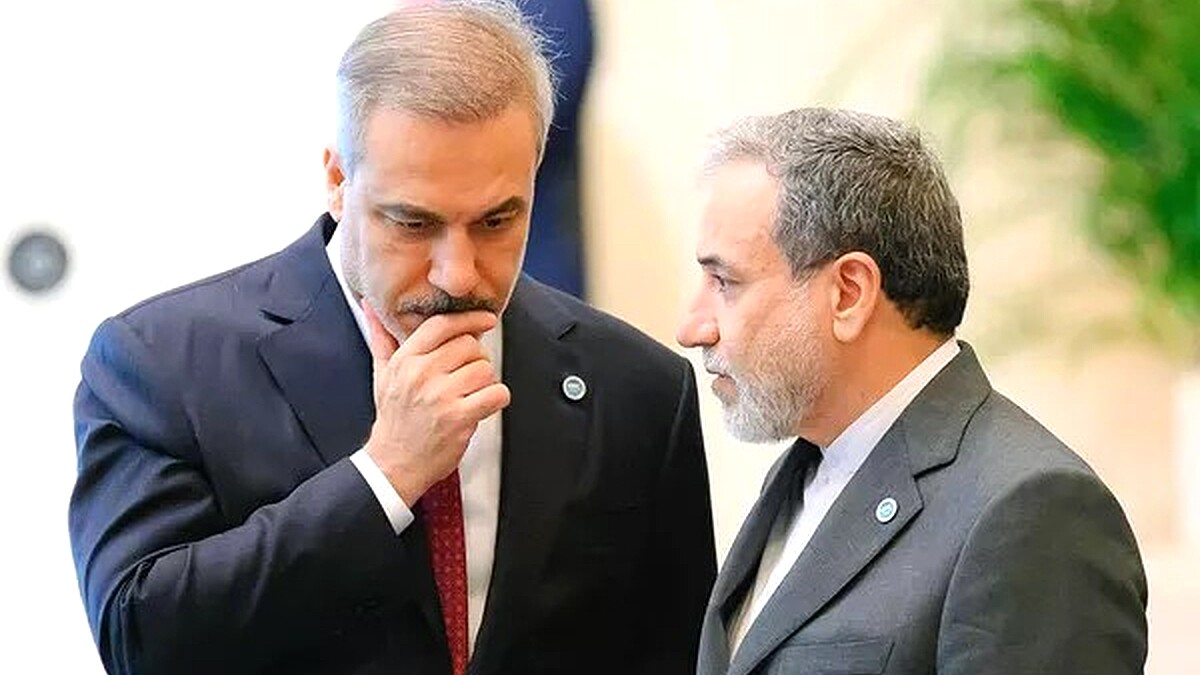
Iranian Foreign Minister Abbas Araghchi and his Turkish counterpart Hakan Fidan coordinated their positions following recent developments. Sources familiar with the talks highlighted concerns over reports that Washington and Tel Aviv were exploring options to arm and support Iranian Kurdish groups based in northern Iraq for cross-border actions.
Turkey has explicitly stated its opposition to any form of regime change or territorial division in Iran. This stance aligns with Ankara’s long-standing policy against actions that could destabilize neighboring states and potentially embolden separatist movements.
The Kurdistan Region of Iraq has become a focal point in the broader conflict. US President Donald Trump reportedly engaged with Kurdish leaders in Iraq, urging them not to obstruct potential operations while expressing support for Kurdish involvement against Iranian forces. However, Iraqi Kurdish authorities, including the Kurdistan Regional Government, have repeatedly denied involvement in any such plans and emphasized neutrality.
Iran has conducted strikes on positions associated with Kurdish opposition groups in Iraq, accusing them of serving as proxies for Western and Israeli interests. These actions underscore Tehran’s determination to neutralize threats originating from Iraqi soil.
Iraq’s federal government has also conveyed to Iran that it will not permit its territory to be used for aggression against Tehran. Prime Minister Mohammed Shia al-Sudani’s administration has stressed the need to preserve Iraq’s sovereignty amid mounting regional pressures.
The deployment initiative aims to reinforce Iraqi military presence in sensitive border zones. This move is intended to deter any ground incursion attempts and maintain stability in the Kurdistan Region, where various armed factions operate.
Analysts observe that Turkey’s involvement reflects its strategic interests in preventing the empowerment of Kurdish groups linked to the PKK, which Ankara designates as a terrorist organization. PJAK, an Iranian Kurdish group affiliated with the PKK, has been particularly highlighted in Turkish concerns.
Iran views the potential use of Kurdish forces as part of a broader strategy to fragment its territory and weaken the central government. Tehran has warned that any such escalation would meet firm resistance.
Diplomatic efforts by both Iran and Turkey emphasize de-escalation. Ankara has advocated for dialogue to resolve the conflict, rejecting military interventions that could lead to prolonged instability.
The agreement signals a convergence of interests between Tehran and Ankara in safeguarding territorial integrity against external interference. This coordination occurs as the US-Israeli campaign continues to target Iranian military and nuclear-related sites.
Regional observers note that the involvement of Iraqi forces could complicate dynamics in northern Iraq. The Kurdistan Regional Government faces delicate balancing acts between US pressures, Iranian warnings, and Turkish security demands.
Iraq’s position remains precarious, with its territory hosting both US military assets and Iranian-aligned groups. Attacks on bases in the Kurdistan Region have already occurred, raising fears of wider spillover.
The understanding between Iran and Turkey represents a proactive diplomatic step to contain the conflict’s geographic expansion. By prioritizing Iraqi-led deployments, both countries seek to avoid direct confrontation while addressing shared threats.
This development highlights shifting alliances in the Middle East amid the war. Turkey’s firm opposition to regime change efforts in Iran contrasts with reports of US encouragement for internal opposition forces.
As the conflict enters its critical phase, the focus on border security and coordinated deployments underscores the determination of Iran and Turkey to prevent a ground war scenario. The outcome will likely influence the trajectory of regional stability in the coming weeks.