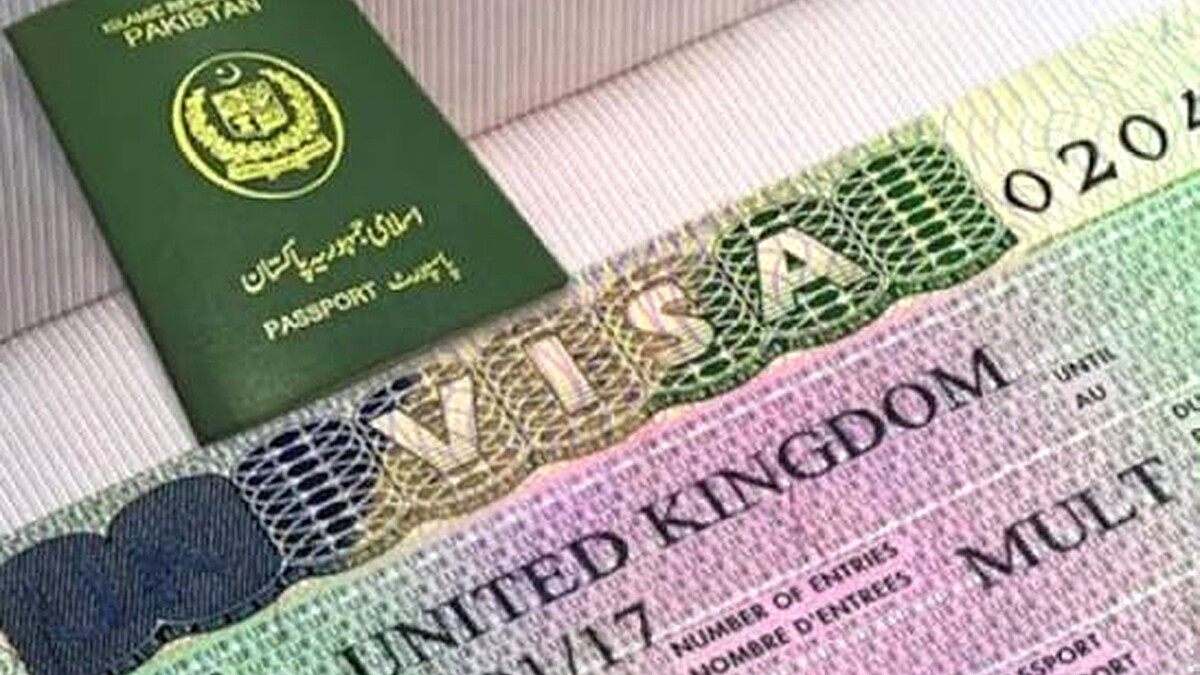
ISLAMABAD: The United Kingdom has placed Pakistan under increased scrutiny following the release of Home Office data revealing a stark disparity in asylum claim refusals and actual deportations.
In 2025, British authorities refused 10,853 asylum applications from Pakistani nationals, yet only 445 individuals were deported to Pakistan during the same period. This figure represents approximately 4.1 percent of rejected applicants, or roughly one in 25 cases.
The low deportation rate has fueled concerns in London about insufficient cooperation from Islamabad in accepting returned nationals. Official statistics indicate that more than 70 percent of Pakistani asylum claims are rejected, highlighting a pattern where claims are frequently deemed unfounded but removals remain limited.
Pakistani nationals emerged as the largest group seeking asylum in the UK in recent years. In 2025, they accounted for 11 percent of all asylum applications, surpassing other nationalities such as Eritrean, Iranian, Afghan, and Bangladeshi applicants.
Overall, the UK recorded 100,625 asylum applications in the year ending December 2025, a slight decline of 4 percent from the previous period. Despite this reduction, small boat arrivals increased by 13 percent, while many claims originated from individuals entering legally on visas before seeking protection.
The Home Office granted asylum or protection in 42 percent of initial decisions in 2025, with refusals reaching 58 percent across processed cases. Asylum-related returns totaled 11,631 in the same year, marking a 23 percent rise from 2024.
Among asylum-related returns, Pakistani nationals ranked third after Brazilian and Indian citizens, underscoring that while some removals occur, the volume falls far short of refused claims.
British officials have emphasized that countries failing to facilitate the return of their nationals risk punitive measures. These may include the suspension of priority visa processing or wider restrictions impacting tourists, students, and workers.
A government source indicated that the UK would not hesitate to impose visa sanctions on non-cooperative nations. Such actions follow precedents where threats prompted agreements with other countries to accept deportees.
Recent UK policy shifts include an “emergency brake” on study visas for nationals from Afghanistan, Cameroon, Myanmar, and Sudan, aimed at curbing perceived abuse where legal entrants later claim asylum. Work visas for Afghans have also faced restrictions.
Pakistan’s position remains under review, with ongoing discussions between London and Islamabad on migration and returns priorities. Cooperation to date has reportedly helped avert immediate sanctions.
The figures have intensified political debate in Britain. Opposition voices, including from Reform UK, have advocated stricter measures, including visa freezes on countries like Pakistan if returns do not improve.
Home Secretary Shabana Mahmood has vowed to restore border control, announcing incentives for voluntary departures and stricter enforcement against failed claimants who remain unlawfully.
The disparity raises broader questions about the efficacy of the UK’s asylum system and bilateral relations. High refusal rates suggest many claims lack merit under international protection criteria, yet logistical, legal, and diplomatic hurdles impede removals.
Experts note that returns often depend on cooperation, including document issuance and acceptance by origin countries. Agreements have boosted returns in some cases, though not uniformly.
In the UK context, asylum seekers whose claims are refused may pursue appeals, further delaying removal. Successful appeals can overturn initial decisions, though grant rates on appeal vary.
The situation underscores tensions in UK-Pakistan ties amid migration pressures. While family and student visas from Pakistan remain significant, asylum trends have drawn scrutiny.
British authorities continue to prioritize increasing returns as part of broader immigration reforms. The low deportation percentage for Pakistanis serves as a focal point in these efforts.
As discussions proceed, the potential for visa-related penalties looms, with implications for travel, education, and economic exchanges between the two nations.