In a recent development in the Afghanistan conflict, a Taliban delegationreportedly met with the US special representative for Afghanistan inPakistan’s capital of Islamabad on Thursday, spawning discussion overwhether the suspended peace talks will enjoy a fresh start.link#
Hardly had Pakistan and the Taliban agreed to resume the Afghanistan peaceprocesslinkwiththe US, which was put on hold after the death of a US soldier in a Kabulattack, when media reports emerged of a US representative meeting the grouplinktonegotiate Afghan reconciliation, Sputnik has reported.
According to *Hasan Abdullah*, a political analyst and expert on Islamicmilitancy, Pakistan has long been considered a possible mediator, as it hasmaintained close ties with the Taliban. “Pakistan believes that therecannot be a purely military solution and the Taliban have to be part of theprocess in Afghanistan”, the analyst says.
He suggests, that many in Washington have come to believe that Pakistan isthe only regional actor with enormous leverage over the Taliban, arguingthat it “holds certain sway” over the group. Meanwhile, the Talibanapparently thinks that a good relationship with Pakistan lends it “a degreeof edge and legitimacy”, Abdullah details.
In a bid to obtain a strategic “edge against the US”, the group has beengoing to great lengths to garner maximum possible support from a variety ofcountries, apparently assuming that those countries may have their own“diverging” interests vis-à-vis the US, the analyst continues.
“This way it feels it could try to isolate the Kabul government – anadministration it repeatedly calls ‘a US puppet regime’ and refuses to talkdirectly with”, Abdullah argues, suggesting that the Taliban’s leadershipalso seems to realise that there is no point in fighting for the sake offighting, but that there should be some concrete political goal to worktowards.
Another analyst, *Arif Rafiq*, the president of Vizier Consulting, a NewYork-based political risk advisory company, and a non-resident fellow atthe Middle East Institute, has similarly referred to “a regional consensus”over the urgency of a political settlement with the Taliban – “to preventfurther instability in a region threatened by al-Qaeda and ISIS [Daesh*]”.
“The Taliban is leveraging this regional consensus in order to sustainsupport for a diplomatic process that will grant it legitimacy and somedegree of power”, the analyst argues, expressing certainty that theUS-Taliban talks are likely to resume in the coming months if the Talibanagrees to some concessions, namely the release of Western hostages.
“That will allow Trump to save face and say that he [is] allowing theprocess to resume because he has secured the freedom of Western hostages”,he rounded off.
Read Top Stories
Per Hasan Abdullah, some Taliban commanders in Afghanistan whom he talkedto said “that they had been pursuing the peace talks sincerely and it wasthe US president who abruptly pulled out of the talks”. Abdullah continuedto argue that many Taliban commanders believe there is a certain divisionin the US administration over the peace process in Afghanistan – “becauseof some vested interests there, including some large corporations that aremore concerned about their profits than any perceived US nationalinterest”. He also assumes that the commanders believe the US will end upas the ultimate loser, while the Taliban “can keep fighting for anotherdecade or longer”.
Commenting on the Thursday meeting, *Umer Karim*, a visiting fellow at theRoyal United Services Institute, a London-based think tank suggests that itgives the Taliban “a window to meet US representatives outside Doha”,arguing that despite the fact that there is no formal restart of the peacetalks, the sides appear to have engaged in informal negotiations.
This is the first reported contact between the Taliban and Washington afterthe last round of negotiations in Doha finished on 1 September. The Talibansubsequently warned that the Americans “will suffer more than anyone else”for their decision, claiming that it would lead to “further losses of USlives”.
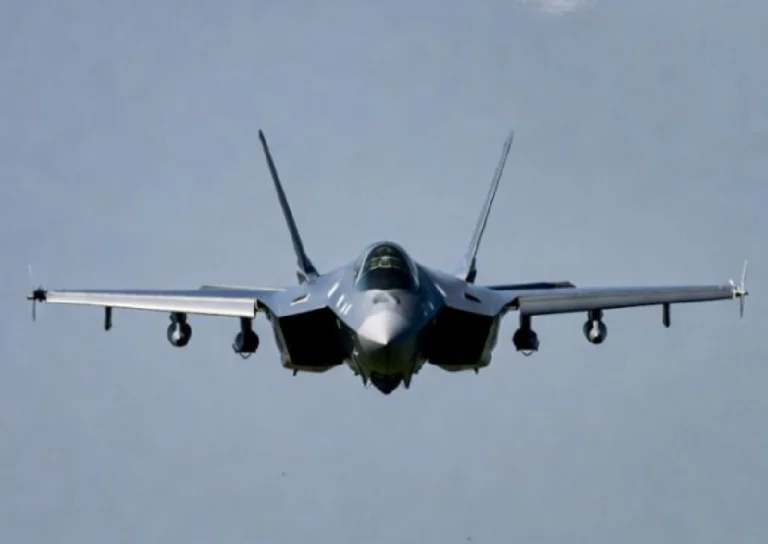
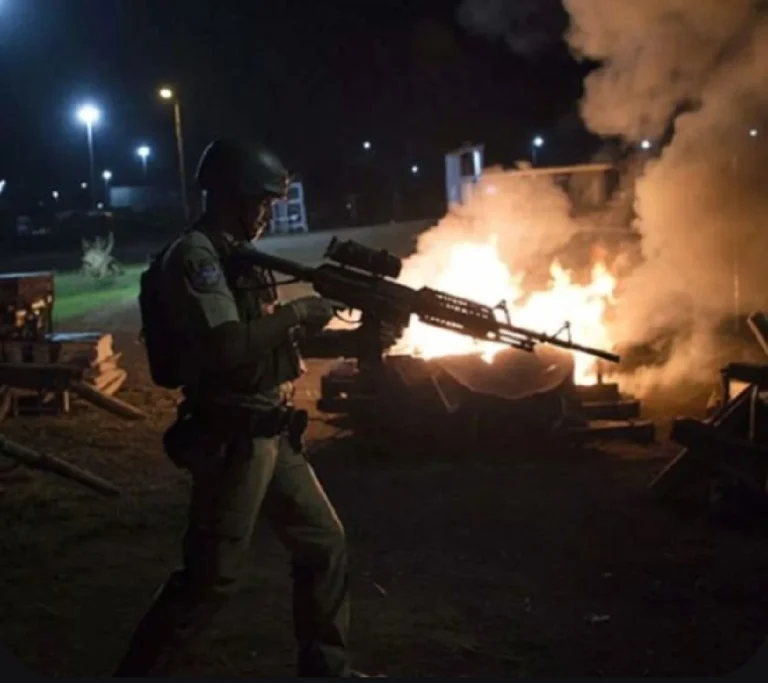
Trump responded by stating that after the breakdown of the negotiations,the US military hit the enemy “harder than they have ever been hit beforeand that will continue”. However, no additional troops have been sent toAfghanistan, with Karim noting that the situation on the ground hasn’tchanged, which leaves only one possibility open – that of a peacefuldialogue.
In the meantime, the movement has clashed with the Afghan government acrossthe country. At least 32 people were killed in over 30 separate attacksduring the presidential elections in Afghanistan, which the Taliban refusesto recognise, stating that the authorities in Kabul are under the controlof Washington.
Per analyst Arif Rafiq, the uncertainty over the national elections maylead to “a power vacuum in Kabul” that could prevent a domestic Afghandialogue from taking place.