ISLAMABAD – Pakistan’s economic policy should include more exchange rateflexibility and monetary policy tightening, further fiscal adjustmentanchored in a medium-term consolidation strategy, and strengthening theperformance of key public enterprises together with further increases ingas and power tariffs.
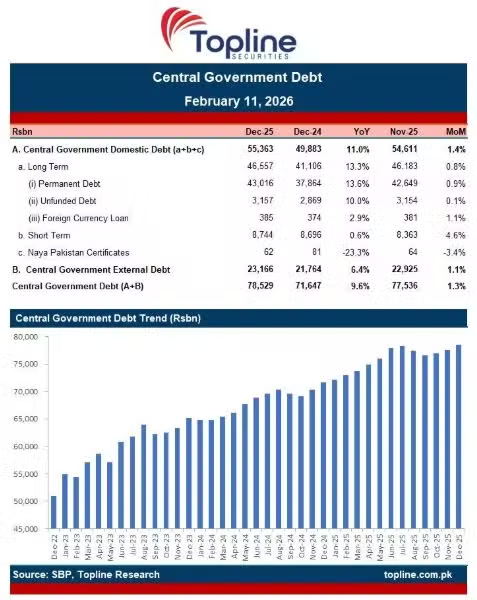
“Together, these steps would help reduce current account pressures andimprove debt sustainability,” these view expressed in a statement issued byInternational Monetary Fund (IMF) after conclusion of its staff visit tothe country.It said Pakistan is facing significant economic challenges, with declininggrowth, high fiscal and current account deficits, and low levels ofinternational reserves.
Recent policy measures are steps in the right direction, but not yetsufficient. Decisive policy action and significant external financing willbe needed to stabilize the economy.Once stabilization is beginning to take hold, increasing focus is warrantedon critical reforms to foster sustained and inclusive growth and strengtheninstitutions.
A staff team from the International Monetary Fund (IMF), led by HaraldFinger, visited Islamabad from September 27-October 4, 2018 to discussPakistan’s economic situation and exchange views on necessary policies foreconomic stabilization and sustainable and inclusive growth. At the end ofthe visit, Finger made the following statement:“Pakistan is facing an increasingly difficult economic situation, with highfiscal and current account deficits, and low international reserves. Thismostly reflects the legacy of an overvalued exchange rate, loose fiscalpolicy and accommodative monetary policy. The fast rise in internationaloil prices, normalization of US monetary policy, and tightening financialconditions for emerging markets are adding to this difficult picture. Inthis environment, economic growth will likely slow significantly, andinflation will rise.
“The team welcomes the policy measures implemented since last December.These include 18 percent cumulative depreciation of the rupee, interestrate increases of cumulatively 275 bps, fiscal consolidation through thebudget supplement proposed by the minister of finance, a large increase ingas tariffs closer to cost recovery levels, and the proposed increase inelectricity tariffs. These measures are necessary steps that go in theright direction.
Read Top Stories



“Additional decisive policy action, anchored in a comprehensive strategy,and significant external financing will be needed in the near term.“Importantly, to protect the more vulnerable segments of society, there isa need to further strengthen social protection through the Benazir IncomeSupport Program. These policies will help stabilize the economy and lay thefoundations for sustainable and inclusive growth.
“Once stabilization is beginning to take hold, the focus shouldincreasingly shift to reforms to foster sustained and inclusive growth andstrengthen key institutions. Priority areas include modernizing the taxsystem and public financial management, strengthening fiscal federalismarrangements, improving governance and eliminating losses of publicenterprises, enhancing the SBP’s autonomy, intensifying AML/CFT efforts,improving the business climate and anti-corruption efforts, and fosteringthe economic inclusion of the poor, youth, and women. The team is gratefulto the authorities for open and constructive discussions.