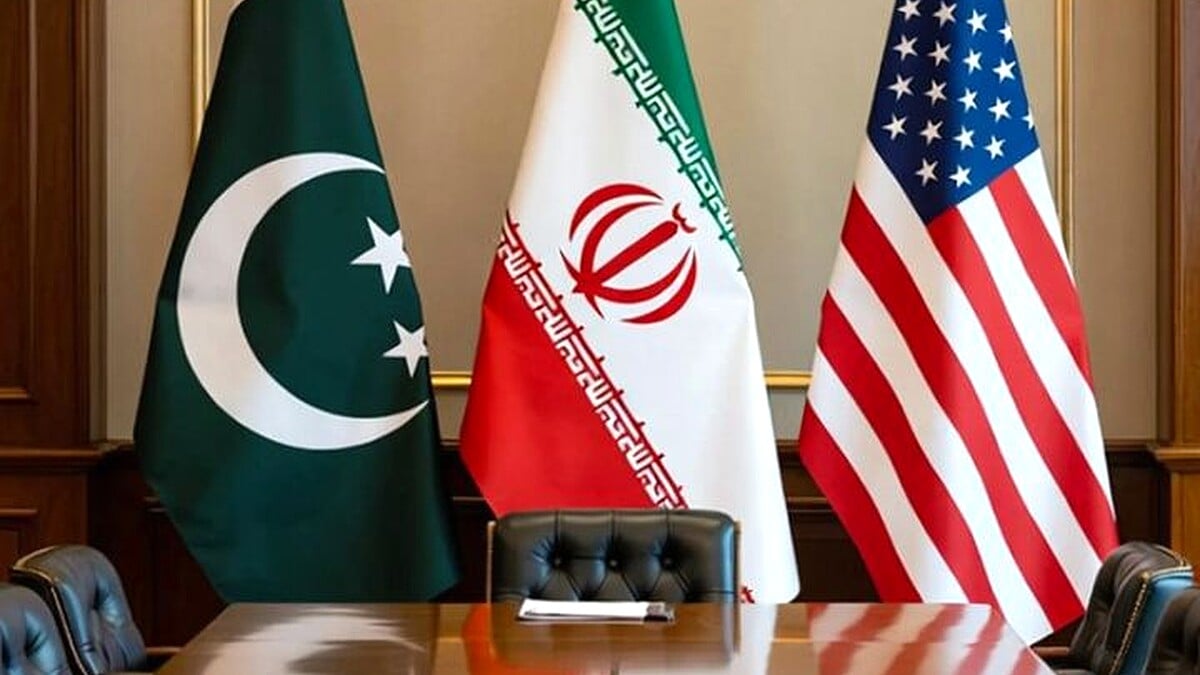




ISLAMABAD: A new peace proposal backed by Pakistan and tentatively dubbed the Islamabad Accord could trigger an immediate ceasefire between Iran and the United States while reopening the Strait of Hormuz as early as Monday.
The framework exchanged overnight with both sides envisions a two-phase approach that halts hostilities right away and paves the way for a broader settlement in 15 to 20 days.
If implemented the plan would restore normal navigation through the world’s most critical energy chokepoint and culminate in in-person talks hosted in Islamabad.
The Strait of Hormuz normally carries around 20 million barrels of oil and petroleum products per day representing roughly one-fifth of global petroleum liquids consumption and more than one-quarter of seaborne oil trade.
Disruption since early March has slashed tanker traffic by over 90 percent in some tracking data with daily ship passages dropping from around 130 to as few as six. Gulf oil exports have fallen by approximately 60 percent triggering the largest energy shock in decades.
Brent crude prices surged above 100 dollars per barrel while global supply shortfalls reached an estimated nine million barrels per day after accounting for strategic reserve releases.
Pakistan which imports over 90 percent of its oil and nearly all liquefied natural gas through the strait has faced acute domestic fallout. Petrol prices jumped 20 percent in a single week to 1.15 dollars per litre and diesel to 1.20 dollars marking the sharpest fuel hike in the country’s history.
These figures underscore why Islamabad has moved aggressively to mediate. Pakistani officials have shuttled multiple messages between Washington and Tehran including relaying a reported 15-point US framework.
Foreign Minister Ishaq Dar has held more than 30 conversations with regional counterparts in recent weeks. Army Chief Field Marshal Asim Munir reportedly maintained overnight contacts with senior US and Iranian figures to advance the latest proposal.
Pakistan hosted foreign ministers from Turkey Saudi Arabia and Egypt in late March for focused discussions on reopening the strait and ending the conflict. The gathering produced initial ideas for a regional management framework including possible consortium models and transit fees.
China has thrown strong diplomatic weight behind the effort. During a high-level meeting in Beijing with Dar the two countries issued a joint five-point initiative calling for immediate ceasefire restoration of safe navigation and protection of stranded ships and crews.
Beijing explicitly endorsed Pakistan’s role as a crucial bridge citing long-standing strategic ties.
The proposal’s first stage demands an instant halt to all military actions with guaranteed safe passage for commercial vessels. This would allow hundreds of stranded tankers to resume operations and ease immediate pressure on global markets.
The second phase within 15 to 20 days would address deeper issues such as nuclear-related curbs sanctions relief and a long-term regional security arrangement for the strait. Final negotiations are envisioned in Islamabad.
Regional media and diplomatic sources have highlighted Pakistan’s unique positioning. With established channels to both Tehran and Washington plus growing rapport under the current US administration Islamabad has filled a vacuum left by traditional mediators facing their own challenges.
Earlier this month Iran agreed to allow 20 Pakistani-flagged vessels to transit the strait in a small but symbolic confidence-building step with two ships permitted daily.
Analysts note that prolonged closure risks far greater damage. A full blockade could cost Iran itself up to 105 million dollars daily in lost oil export revenue based on pre-crisis pricing while amplifying inflation and supply chain chaos worldwide.
Diversions have already surged more than 360 percent straining alternative routes and inflating shipping costs dramatically.
If the Islamabad Accord gains traction it could mark a rare diplomatic success for Pakistan transforming its image from peripheral player to pivotal peacemaker in one of the most dangerous flashpoints of the 21st century.
Success would not only stabilise energy markets but also prevent further escalation that threatens millions of lives and trillions in global economic value.
Observers caution that rapid agreement on all elements remains essential given the fragile trust between the parties. Yet the speed with which the framework moved from Pakistani drafting to delivery signals serious momentum.
The coming hours will determine whether the proposal delivers the breakthrough the region and the world desperately need.