ISLAMABAD: Azerbaijan has initiated significant military reinforcements along its southern border with Iran in response to recent cross-border incidents that have sharply escalated bilateral tensions.
The developments follow accusations by Baku that Iranian drones struck civilian infrastructure in the Nakhchivan Autonomous Republic on March 5, 2026. Azerbaijan’s Ministry of Defense confirmed through technical means that four unmanned aerial vehicles originated from Iranian territory. One drone was neutralized by Azerbaijani forces, while others impacted the Nakhchivan International Airport terminal and landed near a school in a nearby village, injuring four civilians.
President Ilham Aliyev convened an emergency Security Council meeting and described the incident as an unprovoked act of terror and aggression. He instructed the armed forces to prepare and implement retaliatory measures to safeguard territorial integrity, sovereignty, and civilian safety. The Ministry of Defense emphasized that such attacks would not remain unanswered and that necessary response measures were under preparation.
In parallel, Azerbaijan has placed its armed forces on heightened combat readiness. The Ministry of Defence, State Border Service, Ministry of Internal Affairs, and Ministry of Emergency Situations have entered high alert status. Military leaves have been cancelled, and officers on vacation recalled to duty. Air defense systems, including anti-drone capabilities, have been repositioned to strengthen southern defenses.
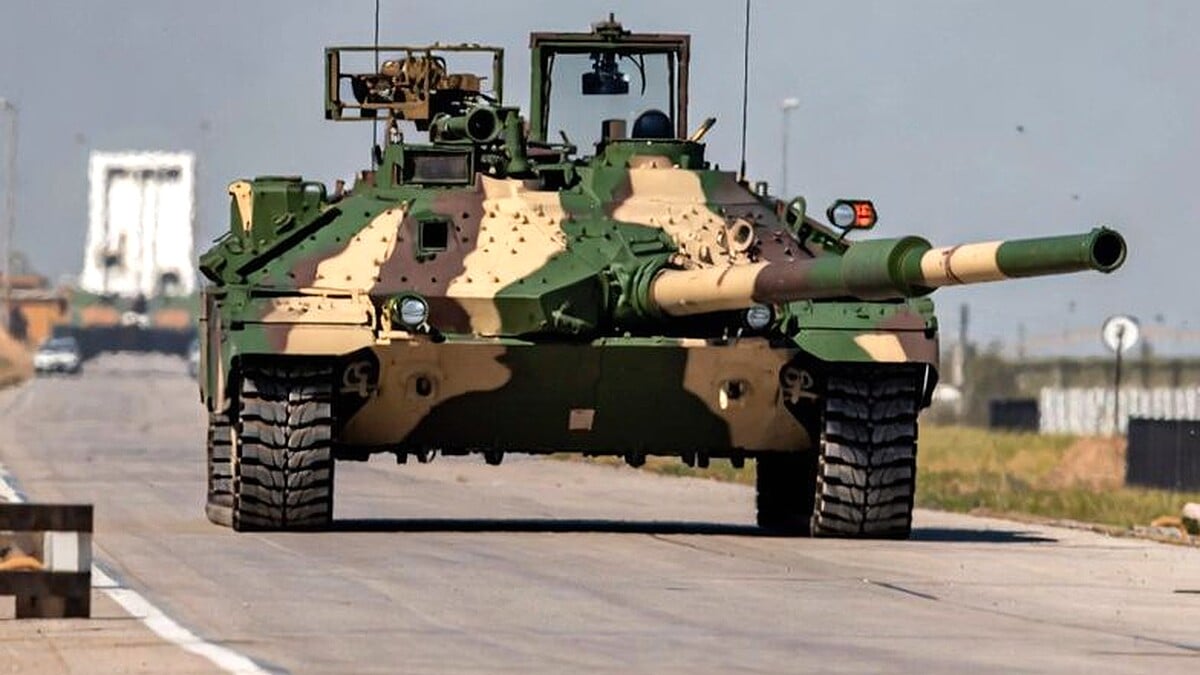
Reports from regional sources and social media indicate the movement of additional troops and equipment toward the border area along the Aras River. Circulating footage purportedly shows convoys transporting artillery systems, including self-propelled howitzers such as the DANA M1, to frontline positions. These deployments aim to bolster defensive posture amid fears of further spillover from the broader regional conflict involving Iran.
Azerbaijan has taken diplomatic steps to underscore its position. The Foreign Ministry summoned Iran’s ambassador to lodge a formal protest. On March 6, Foreign Minister Jeyhun Bayramov announced the evacuation of diplomatic staff from the embassy in Tehran and the consulate in Tabriz for safety reasons, following direct instructions from President Aliyev. Cross-border truck traffic has been halted, and parts of southern airspace temporarily closed.
Iran has categorically denied launching drones toward Azerbaijani territory. Its armed forces stated that Tehran respects the sovereignty of neighboring and Muslim countries and does not target them. Iranian officials attributed any incidents to external provocations or misattributions amid the ongoing wider conflict.
The Azerbaijan-Iran border spans nearly 700 kilometers, with Nakhchivan serving as an exclave separated from mainland Azerbaijan by Armenian territory. Historical frictions have existed over regional alliances, energy routes, and ethnic ties, but relations deteriorated further following Azerbaijan’s closer ties with Israel and alleged facilitation of operations during previous escalations.
The current crisis unfolds against the backdrop of intensified military actions in the Middle East. Azerbaijan’s reinforcements appear defensive, focused on protecting sovereignty and deterring additional incursions rather than signaling imminent offensive action. Analysts note that Baku has repeatedly affirmed non-participation in direct operations against Iran.
Evacuation efforts have intensified at border crossings such as Astara, with hundreds crossing from Iran amid regional instability. European nationals trapped in Iran have sought assistance through diplomatic channels, including discussions between Azerbaijan’s foreign minister and EU counterparts.
The situation remains highly fluid, with potential for rapid developments. Azerbaijan’s official statements prioritize de-escalation through accountability while reserving the right to respond proportionately. International observers monitor closely for risks of broader spillover into the South Caucasus.
This episode highlights the interconnected nature of regional security dynamics, where incidents in one theater can quickly affect adjacent states. Azerbaijan’s measured yet firm posture seeks to deter aggression while avoiding unnecessary escalation.