ISLAMABAD: Gulf Arab countries are contemplating a significant reassessment of their massive investments in the United States following the escalation of the US-Israel-Iran conflict, which has inflicted direct economic damage on the region and raised questions about the reliability of American security guarantees.
Recent reports indicate that three of the four largest Gulf economies—Saudi Arabia, the United Arab Emirates, and Kuwait—are actively discussing potential withdrawals from US and other international investments. This move stems from mounting budget pressures caused by declining energy revenues, disruptions to shipping routes, and reduced tourism inflows due to the ongoing war.
The Financial Times reported that Gulf officials have initiated internal reviews to evaluate whether force majeure clauses can be invoked in existing contracts. They are also scrutinizing current and future investment pledges abroad, including those directed toward the United States, to alleviate anticipated economic strain from prolonged conflict.
Gulf sovereign wealth funds collectively manage more than $2 trillion in US assets, spanning equities, bonds, real estate, and infrastructure projects. Any substantial pullback could trigger volatility in American financial markets and pressure key institutions reliant on these capital inflows.
The conflict’s economic toll has intensified following US and Israeli strikes on Iranian targets, prompting retaliatory actions that targeted energy infrastructure in Saudi Arabia and liquefied natural gas facilities in Qatar. These incidents disrupted production and halted exports temporarily, contributing to sharp rises in global oil and gas prices while squeezing domestic revenues.
Qatar, for instance, suspended LNG output after attacks, removing a significant portion of global supply and driving European gas prices up dramatically. Saudi refineries faced drone strikes, further complicating recovery efforts amid falling energy demand in affected markets.
Budget strains have mounted as governments face higher security expenditures to counter threats, including potential disruptions in the Strait of Hormuz, through which roughly 20 percent of the world’s oil transits. Although the strait has seen harassment but no full closure, insurance premiums for shipping have surged, deterring trade and elevating costs.
Gulf states have long viewed investments in the United States as a pillar of their economic diversification strategies, often linked to defense pacts and security assurances. Recent events, however, have prompted officials to question this arrangement, particularly as the conflict has engulfed allies without their direct initiation.
A senior Gulf official described the situation as forcing a reevaluation of commitments to foreign states and companies, including sports sponsorships and business contracts. The priority now lies in protecting national budgets from further erosion caused by war-related expenses.
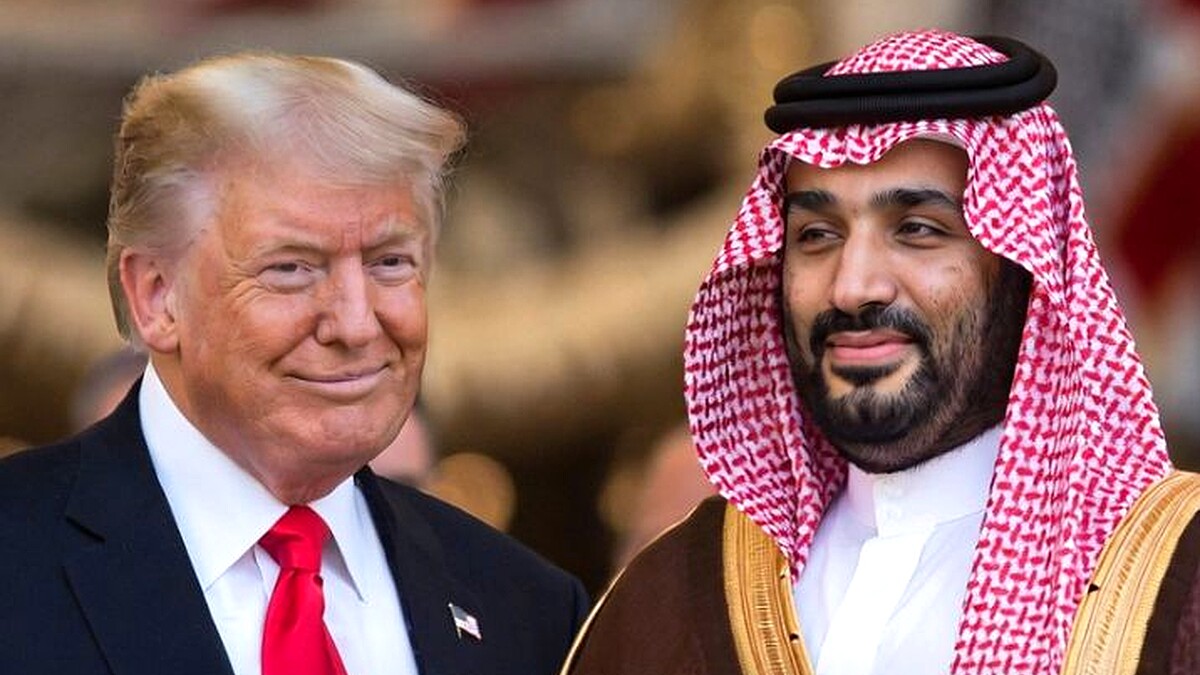
This potential shift follows earlier pledges during high-level engagements, where Gulf leaders committed trillions in US investments across sectors like defense, artificial intelligence, energy, and infrastructure. Such deals were promoted as mutually beneficial, generating jobs in the US while supporting Gulf visions for post-oil economies.
However, the war has exposed vulnerabilities in this interdependence. Gulf nations, which positioned themselves as stable havens for foreign capital and talent, now risk reputational damage and capital flight if instability persists. Investor confidence could wane if perceptions grow that the region remains exposed despite substantial US partnerships.
Analysts note that the US security umbrella, historically central to Gulf strategy, has failed to insulate allies from retaliation. This has fueled frustration that American priorities favor other regional actors over Gulf stability.
Diversification efforts, such as Saudi Arabia’s Vision 2030 and similar initiatives in the UAE and Qatar, depend on predictable revenues and secure environments. Prolonged disruptions threaten these ambitions, prompting precautionary measures like reviewing overseas holdings.
While no final decisions on withdrawals have been announced, the discussions signal a broader strategic recalibration. Gulf governments appear focused on precautionary steps to safeguard fiscal health amid uncertainty.
The implications extend beyond bilateral ties. A reduction in Gulf capital flows could affect US interest rates, stock valuations, and infrastructure financing. For Gulf states, redirecting funds domestically or toward emerging partners might accelerate hedging strategies already underway.
Regional observers warn that sustained conflict risks eroding the economic buffers that have cushioned Gulf economies in past crises. Financial reserves remain substantial, but prolonged strain could force difficult choices between defense spending and development priorities.
As the war’s fallout continues, Gulf leaders emphasize the need for de-escalation to restore stability. The current trajectory underscores the interconnectedness of geopolitics and economics in the Middle East, where security guarantees and investment flows face unprecedented tests.