NEW DELHI- Amid escalating tension in occupied Kashmir following deploymentof tens of thousands of additional troops, the Indian government has endedspecial status of the valley while scrapping articles 35A and 370 of theConstitution.
Here are six things to know about the unprecedented move:——————————
*What is Article 370?*——————————
The article, which came into effect in 1949, exempted Jammu and Kashmirstate from the Indian constitution. The provision gave Kashmir’s assemblythe power to vet national laws passed by New Delhi. It also gave the statea separate constitution and a flag.
Under the provision, Indians outside the state were blocked frompermanently settling, buying land, holding local government jobs andsecuring education scholarships.
Under the changed status, the region will now be governed by the lawsapplicable to other Indian citizens.——————————
*What is Article 35A?*——————————
Article 35A was introduced through a presidential order in 1954 to continuethe old provisions of the territory regulations under Article 370 of theIndian constitution.
The article permits the local legislature in Indian-occupied Kashmir todefine permanent residents of the region.
It forbids outsiders from permanently settling, buying land, holding localgovernment jobs or winning education scholarships in the region.
The article, referred to as the Permanent Residents Law, also bars femaleresidents of Jammu and Kashmir from property rights in the event that theymarry a person from outside the state. The provision also extends to suchwomen’s children.——————————
*Why now?*——————————
The Hindu nationalist government of Prime Minister Narendra Modi enjoys asizeable majority in parliament after dominating the polls in the April-Mayelections.
Modi’s right-wing Bharatiya Janata Party (BJP) can now push throughparliament its key policy goals. This includes the BJP’s long-held promiseto scrap Article 370.
Critics say the BJP’s latest move is a part of its agenda to please coresupporters and win more votes by stoking Hindu nationalist fervour.
The move is in line with its approach towards Kashmir and Pakistan, whichalso claims the former Himalayan kingdom.——————————
*Significance*——————————
The special status, which has been in place since May 14, 1954, has helpedKashmiri Muslims and other communities preserve their strong sense ofculture.
Read Top Stories
The ditching of the status has highlighted long-running fears that thelocal way of life and customs could be lost amid migration from other partsof the country.
Analysts say the Indian government wants to change the region’sdemographics by allowing non-Kashmiris, mostly Hindus, to buy land andsettle there permanently.
It is also likely to worsen the simmering and bloody rebellion in Kashmir,where an insurgency over the past three decades has left more than 70,000dead, mainly civilians.——————————
*International ramifications*——————————
The decision has a direct impact on relations between nuclear rivals Indiaand Pakistan. Kashmir has been divided between the neighboring countriessince 1947 and they have fought two out of three wars over the region.
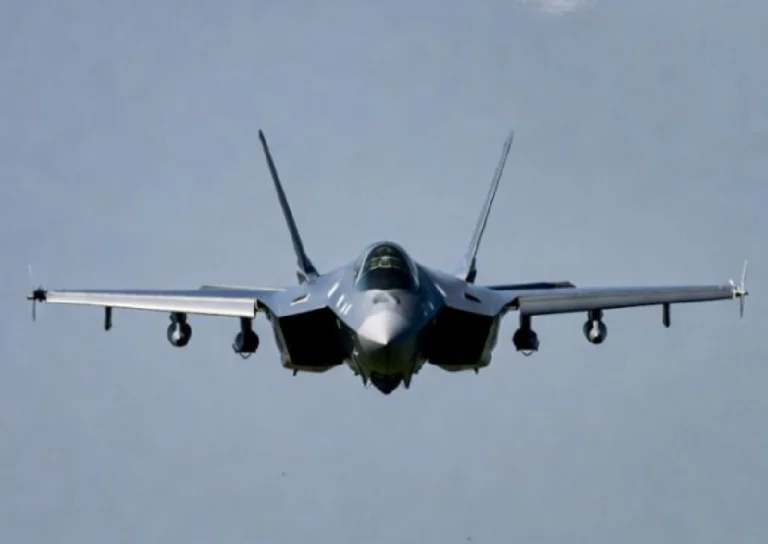
In February the countries were on the brink of war after India launched airraids on Pakistan over a deadly bombing in Kashmir that killed 40paramilitary troops.
Pakistan launched counter air strikes with the retaliations, capturingIndian Wing Commander Abhinandan Varthaman.
The move could also affect the United States’ move to exit Afghanistanafter an 18-year war, launched following the 2001 terror attacks.
Pakistan has been a key facilitator in direct talks between Washington andthe Taliban in Afghanistan over the exit plans.
US President Donald Trump recently offered to mediate between India andPakistan over Kashmir, but New Delhi has long insisted the issue can onlybe resolved bilaterally.——————————
*What’s next?*——————————
Up next is a bill proposing splitting the state of Jammu and Kashmir intotwo union territories — Jammu and Kashmir division, and Ladakh.
This means the entire region would lose its autonomous status and comeunder the direct rule of New Delhi.
The Jammu and Kashmir division will have its own assembly and elections butthe national government will have control of local laws, including themaintenance of public order.
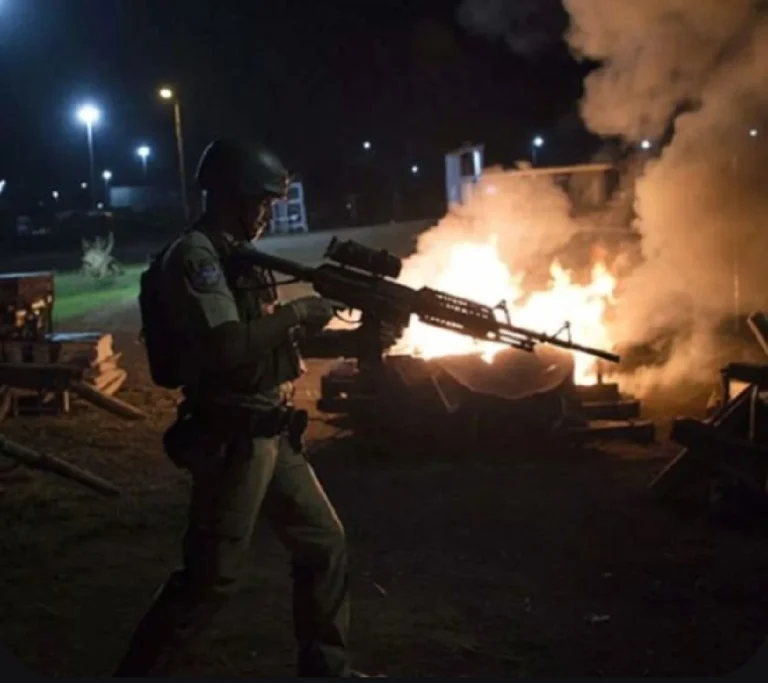
The tinderbox region was placed under a massive security lockdown andcommunications were cut ahead of Monday’s announcement, on fears it wouldtrigger fresh unrest. -APP/AFP