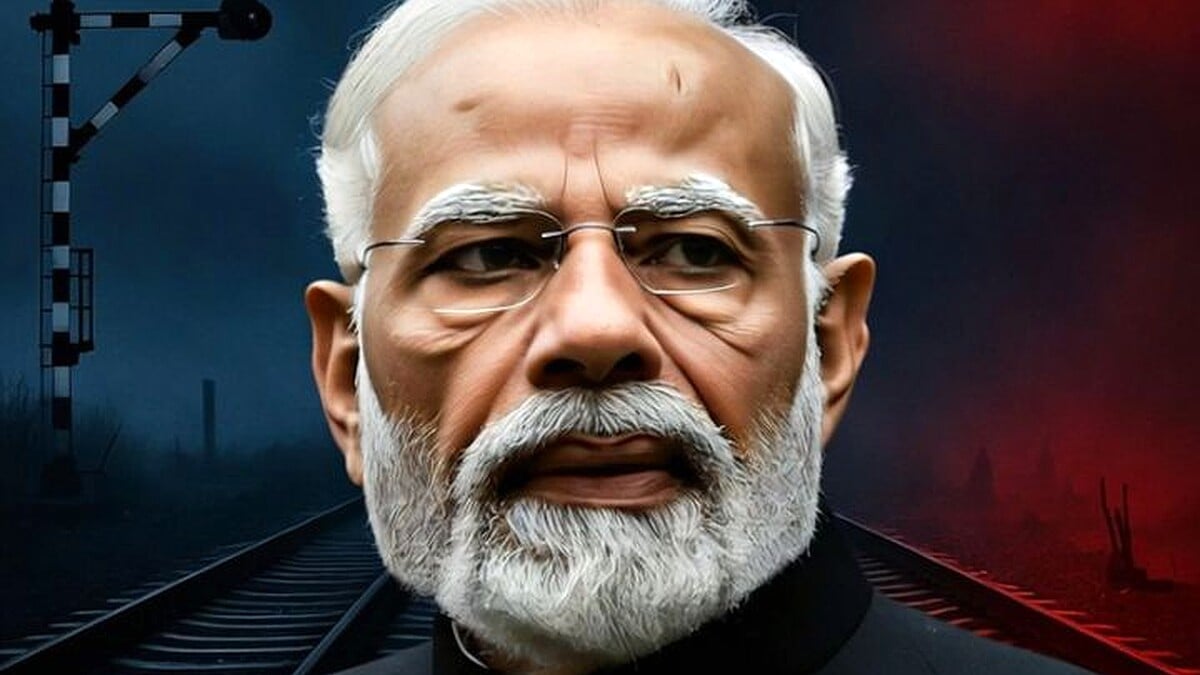




ISLAMABAD: Pakistani security officials have raised serious concerns over the latest Uttar Pradesh Anti-Terrorist Squad claim of foiling a Pakistan-linked sabotage plot at Charbagh Railway Station in Lucknow describing it as another propaganda move by Indian agencies to prepare ground for potential escalation.
The UP ATS announced on April 3 2026 the arrest of four individuals allegedly planning arson and blasts targeting railway signal boxes and infrastructure at the busy Lucknow station with claims of direct instructions from a Pakistan-based handler via social media and encrypted apps.
This development comes barely a year after Operation Sindoor in May 2025 when India launched missile strikes deep into Pakistani territory citing terror threats a move that escalated into a brief but intense military confrontation.
Indian Railways carried a record 741 crore passengers in fiscal year 2025-26 marking a 3.54 percent rise from 716 crore the previous year according to official ministry data.
Passenger revenue surged nearly six percent to over 80 000 crore rupees while daily ridership often exceeds 20 million across the vast network making any disruption highly sensational and capable of causing widespread panic.
The arrested accused identified as Saqib alias Devil a barber from Meerut along with Vikas Gehlawat alias Raunak Lokesh alias Papla Pandit and Arbaab were allegedly conducting reconnaissance of railway signal systems military installations and political figures before sharing details with handlers across the border.
Flammable substances and electronic equipment were reportedly recovered yet independent verification of the foreign linkage remains absent raising questions about the narrative’s authenticity.
Pakistani analysts note that such swift attributions to Pakistan-based handlers have become a recurring pattern in Indian security announcements especially when domestic pressures mount.
Regional media including Dawn have repeatedly highlighted how Indian agencies use railway vulnerabilities to build anti-Pakistan narratives without transparent forensic evidence reaching international scrutiny.
The timing aligns suspiciously with growing calls in Indian circles for Operation Sindoor 2 amid unresolved post-conflict tensions and internal economic challenges.
India’s defence budget for FY27 stands at Rs 7.84 lakh crore nearly eight to ten times Pakistan’s allocation creating constant need for perceived external threats to justify massive spending.
Historical precedents fuel deep scepticism with the 2019 Pulwama attack that killed 40 CRPF personnel later questioned by former Jammu and Kashmir Governor Satya Pal Malik who suggested possible internal orchestration.
Dozens of Pakistani nationals and Kashmiris remain imprisoned in Indian jails under disputed circumstances with security sources warning these individuals could be exploited in staged incidents to lend credibility to false flags.
The Charbagh plot allegedly targeted signal boxes to disrupt train movements and potentially trigger major accidents at one of Uttar Pradesh’s busiest stations handling millions of passengers annually.
No casualties occurred as the group was intercepted on April 2 2026 before execution yet the announcement quickly amplified anti-Pakistan rhetoric across Indian media.
Cyber security claims by Indian agencies often cite over 1.5 million attempted attacks traced to Pakistan-based groups though third-party validation stays elusive.
Such figures frequently serve to heighten public alarm and support expanded surveillance and crackdowns.
International media has offered limited independent coverage of the specific Charbagh incident relying mostly on Indian official statements and regional outlets for context.
Pakistani diplomats have urged global observers to demand rigorous transparent investigations into these recurring claims before they escalate tensions further.
The vast Indian rail network with over 1 670 million tonnes of freight moved in FY25-26 remains critical infrastructure where any genuine sabotage could cause economic losses running into thousands of crores and endanger countless lives.
Pakistani think tanks have documented multiple similar alleged modules busted in recent years each following a familiar template of media leaks rapid blame on Islamabad and absence of shared evidence.
Security forces in Pakistan continue to monitor developments closely while maintaining defensive readiness against hybrid threats.
Islamabad reiterates its commitment to regional peace through dialogue but remains firm in exposing what it views as fabricated provocations designed to justify aggressive posturing.
The latest episode at Charbagh station fits an established playbook that risks undermining stability if left unchallenged by the international community.
As passenger numbers climb to historic highs any manufactured crisis carries potential for massive human and economic fallout with repercussions far beyond borders.
Pakistan calls for neutral probes into such incidents to prevent dangerous miscalculations in an already volatile nuclear neighbourhood.