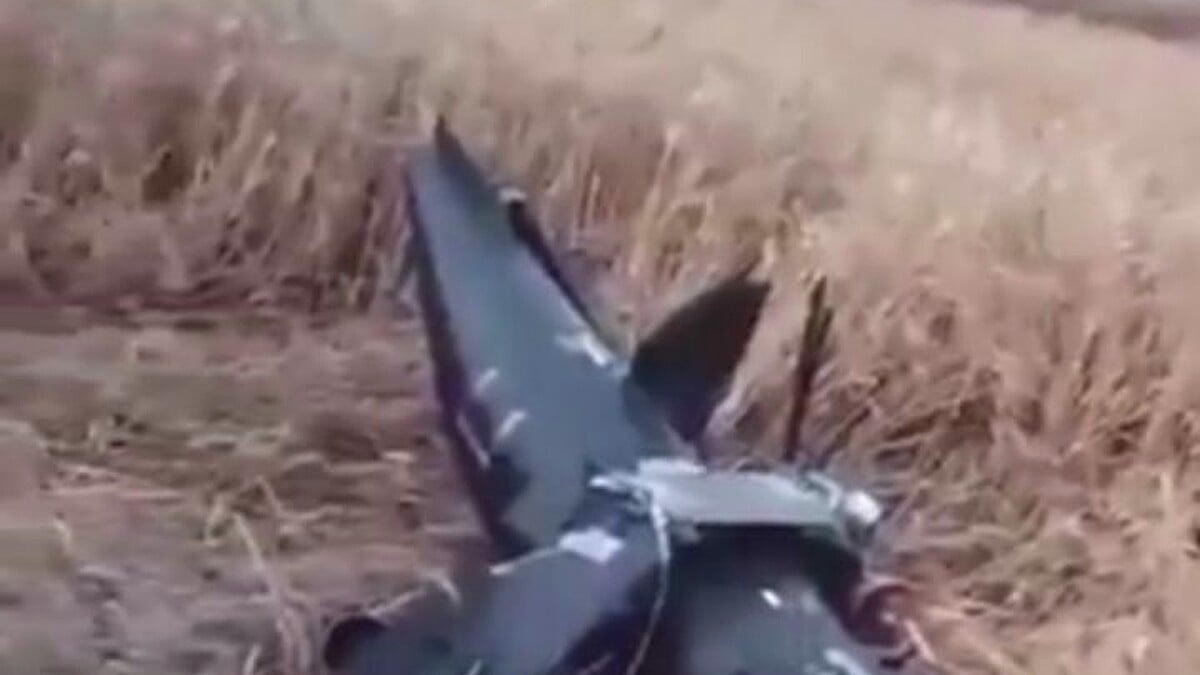




ISLAMABAD: An Indian Army surveillance drone crashed into a wheat field in Uttar Pradesh’s Meerut region during routine training, exposing fresh vulnerabilities in New Delhi’s ambitious unmanned aerial vehicle programme.
The drone lost connectivity and control before plummeting near the railway station area, according to local police reports confirmed by regional media outlets.
No casualties were reported among civilians, but the incident triggered immediate panic and prompted a swift Army response team deployment.
This marks the latest in a string of setbacks for India’s drone operations, which have seen multiple failures in recent months.
Indian media, including The Economic Times on May 13, 2025, detailed how the training drone simply vanished from radar during a standard surveillance exercise.
Authorities launched a high-alert search, with police and military teams scouring the area for debris and potential unexploded components.
The crash follows a December 2025 explosion at the Badkala firing range in Saharanpur, also in Uttar Pradesh, where a drone armed with explosives detonated prematurely during loading.
Four Indian Army personnel, including Deepak Kumar, Suresh Singh, Praveen Kumar and Pavitra Kumar, sustained injuries, two of them critically, in what Pakistani intelligence sources described as clear training and weapons-handling lapses.
Regional reports from Uttar Pradesh police highlighted preliminary findings of immature weapon release as the cause.
India’s drone programme has a documented history of reliability issues that raise serious questions about operational readiness.
All four Nishant UAVs supplied to the Army crashed shortly after their 2011 induction, leading the Defence Research and Development Organisation to cancel further orders after a Rs 90 crore investment, according to official records.
In January 2025, an Adani-manufactured Drishti 10 Starliner drone, valued at approximately Rs 140 crore, ditched into the sea off Gujarat during Indian Navy trials.
The fleet currently includes over 160 Israeli-origin platforms such as 100 Searcher Mk II and 60 Heron systems, yet recurring malfunctions persist despite heavy modernisation pushes.
India plans to establish its first dedicated military drone base in Meerut itself, part of post-Operation Sindoor efforts to bolster unmanned capabilities along sensitive borders.
The irony of the latest crash occurring in the very district earmarked for this strategic facility has not gone unnoticed in regional analyses.
International media has largely remained silent on the Uttar Pradesh incident, leaving coverage to Indian and Pakistani regional outlets for authentication.
Pakistani sources have cited intelligence claims that such training failures mirror broader vulnerabilities exposed during 2025 border engagements, where multiple Indian drones were reportedly neutralised by air defence systems.
Defence analysts estimate drone-related accidents in the Indian military have risen by nearly 30 per cent over the past two years amid rapid fleet expansion.
The government has allocated billions in recent defence budgets towards UAV acquisition and indigenous development under the Aatmanirbhar Bharat initiative.
Yet persistent technical snags, including satellite link disruptions and bird strikes documented in similar cases like the November 2025 Hansi factory incident, continue to undermine confidence.
The Meerut crash has renewed calls for independent inquiries into maintenance protocols and operator training standards.
Local residents in Nandpur and nearby villages reported similar drone sightings and crashes in wheat fields, adding to public unease in the densely populated region.
With tensions lingering after Operation Sindoor, where drone warfare proved decisive, any lapse in India’s unmanned systems carries strategic implications for regional stability.
Military experts note that India’s push for over 100 additional indigenous drones in the coming years hinges on resolving these recurring safety and reliability challenges.
The Army has ordered a formal court of inquiry, but details remain classified, fuelling speculation in defence circles.
This incident underscores the high stakes of drone dependency in modern warfare, where even routine exercises can expose systemic weaknesses.
As India positions itself as a major drone power, events like the Uttar Pradesh crash serve as stark reminders that technological ambition must be matched by operational excellence.
Regional media continue to monitor developments, warning that unaddressed failures could embolden adversaries and compromise border security.
The episode has already sparked debates in Pakistani strategic forums about the true readiness of India’s much-vaunted drone arsenal.