ISLAMABAD: Federal Minister for Petroleum Ali Pervaiz Malik held a crucial meeting with Saudi Ambassador Nawaf bin Saeed Al-Maliki in Islamabad on Wednesday, securing vital assurances for an alternative oil supply route through the Port of Yanbu on the Red Sea.
The discussions come at a time when the closure of the Strait of Hormuz has severely disrupted global shipping lanes, threatening the energy security of import-dependent nations like Pakistan.
Most of Pakistan’s petroleum imports, including crude oil, traditionally pass through the Strait of Hormuz, a narrow waterway connecting the Persian Gulf to the Arabian Sea.
This chokepoint handles around one-fifth of the world’s oil consumption, making it highly vulnerable to regional conflicts and disruptions.
Recent geopolitical tensions, including military actions involving major powers, have led to the effective closure of the strait, prompting urgent contingency planning by affected countries.
Pakistan, which relies heavily on imported crude and refined products to meet domestic energy demands, faces significant risks from prolonged interruptions in this route.
The government has been monitoring the situation closely, with daily assessments of petroleum stocks to prevent shortages and mitigate impacts on fuel prices and availability.
In this context, the meeting between Minister Malik and Ambassador Al-Maliki focused on exploring viable alternatives to maintain supply continuity.
Pakistan formally requested the use of Yanbu Port as a bypass route for crude oil shipments, avoiding the blocked Strait of Hormuz entirely.
Yanbu, located on Saudi Arabia’s western coast along the Red Sea, serves as a key export terminal connected to the kingdom’s East-West pipeline system.
This infrastructure allows Saudi crude from eastern fields to reach Red Sea outlets, bypassing the Persian Gulf and the strait.
Saudi authorities responded positively, assuring full support and cooperation for Pakistan’s energy needs during this emergency.
The ambassador emphasized that Riyadh would continue to stand by Pakistan in times of trial, reaffirming the deep fraternal ties between the two nations.
Minister Malik highlighted that Saudi sources had provided firm guarantees on the security of supplies through Yanbu Port.
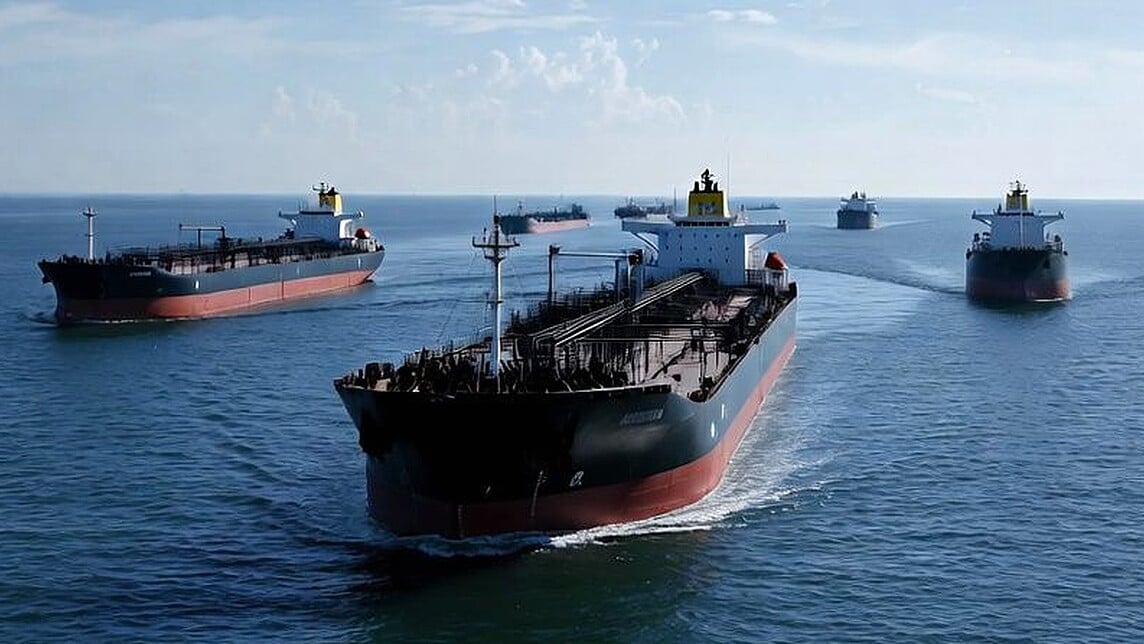
He noted that arrangements had been made for one vessel to be dispatched from Pakistan to Yanbu to lift crude oil directly.
This initial shipment marks a practical step toward operationalizing the alternative route and testing its reliability.
The minister expressed gratitude for Saudi Arabia’s prompt and unwavering assistance, underscoring its importance for Pakistan’s stability.
He expressed hope that Pakistan would receive priority in allocations from Yanbu to ensure timely deliveries amid global market volatility.
The ambassador reiterated that any emergency requirements would be met with full cooperation, with both sides standing together through challenges.
Pakistan’s government continues to prioritize the uninterrupted energy supply chain for citizens and industries.
Efforts include diversifying import sources and strengthening partnerships with reliable allies like Saudi Arabia.
The Yanbu option provides a strategic buffer, reducing dependency on the vulnerable Hormuz passage in the short to medium term.
Industry observers note that sustained use of this route could involve logistical adjustments, including longer shipping distances around the Arabian Peninsula.
However, the security assurances from Saudi Arabia mitigate risks associated with alternative pathways, such as those through the Bab el-Mandeb Strait or other Red Sea areas.
Pakistan’s petroleum sector remains proactive, with ongoing coordination between the Ministry of Energy, refineries, and international partners.
The development underscores the strength of Pakistan-Saudi bilateral relations, built on mutual support during crises.
As the regional situation evolves, Islamabad will continue diplomatic engagements to safeguard its energy interests.
This collaboration with Saudi Arabia exemplifies how strategic alliances can help navigate global energy uncertainties effectively.
The assurance from Riyadh offers immediate relief and positions Pakistan better to handle potential prolonged disruptions.
With one vessel already en route, the initiative demonstrates swift action to protect national energy security.
Observers anticipate further shipments if the Hormuz closure persists, reinforcing the Yanbu route as a dependable contingency.
Pakistan’s proactive approach in securing this alternative highlights the government’s commitment to economic stability and public welfare amid external shocks.