The Gilgit-Baltistan government has found itself grappling with a mountingwave of unrest within the region, leading to a contentious decision to callupon the military for assistance. However, this move has not been withoutcontroversy, as the home department of the region dismisses these reportsas “baseless.” The intricate nature of this situation warrants a closerexamination.
Initially, reports indicated that the region’s Parliamentary PeaceCommittee, responsible for making determinations regarding law and order,took the decisive step on a Friday.
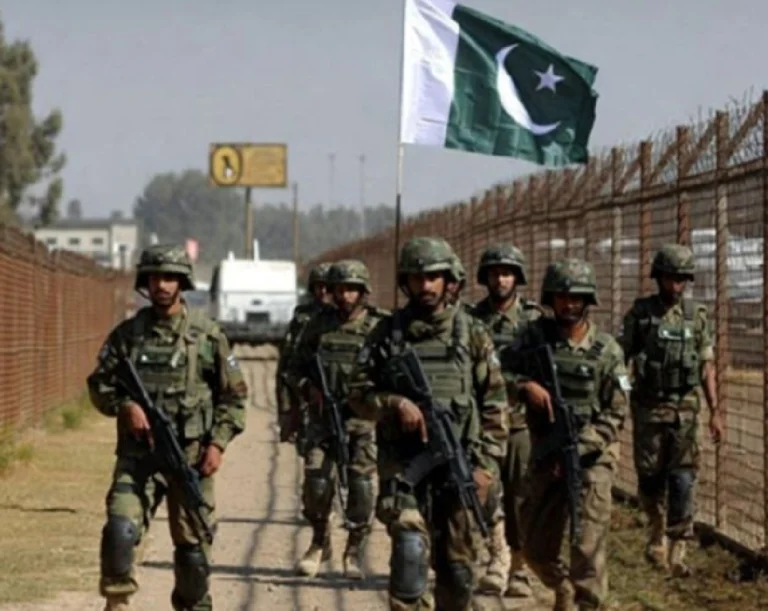
This culminated in the government’s resolution to implement Section 144 inDiamer’s Chilas, effectively forbidding the display of weapons, aerialfiring, religious congregations, and any efforts to obstruct highways inprotest. Furthermore, the decision encompassed the deployment of Rangers,G-B Scouts, and Frontier Corps personnel across major urban centers withinthe region.
In response to the unrest, authorities opted to temporarily suspend 4Gbroadband services in the area, while 2G services continued to function.This move was prompted by the recent tumult generated by protests inChilas. The focal point of these demonstrations centered on the blockadingof the Karakoram Highway and Babusar Pass for an extended period, withprotestors demanding the apprehension of a religious leader from Skardu dueto his alleged incendiary statements.
Read Top Stories
The situation in Gilgit-Baltistan, characterized by the decision to enlistthe army’s aid amidst disputes and the subsequent suspension of 4Gservices, underscores the complex and sensitive nature of the region’spolitical and social landscape. Discrepancies between official statementsand media reports add an additional layer of intrigue to the ongoingevents. As the unrest persists, the region remains a focal point for thoseseeking a deeper understanding of the dynamics at play withinGilgit-Baltistan